
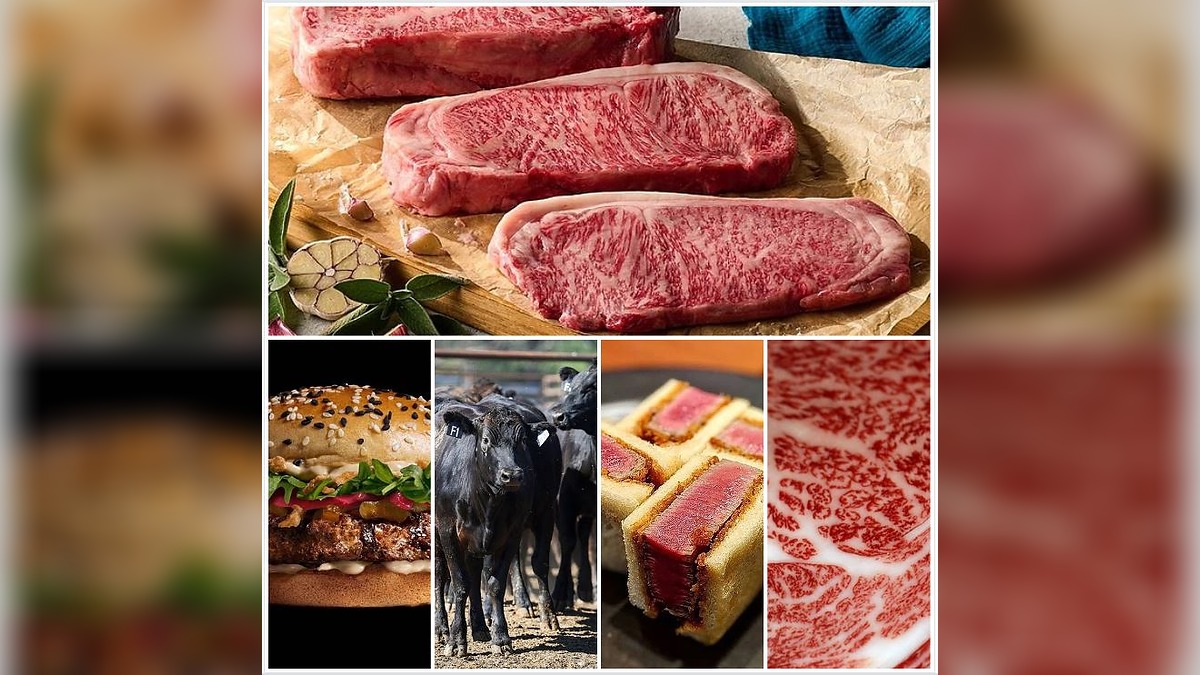
Wagyu is widely regarded as one of the world’s most luxurious types of beef, with premium cuts commanding prices of around £100 per 100g. However, the meat has increasingly appeared in supermarkets and fast-food restaurants at considerably lower prices, raising questions about what consumers are actually buying.
Products now include M&S British Wagyu beef burgers for £6, Waitrose Wagyu beef meatballs for £5.25 and Aldi’s Specially Selected Premium Wagyu Flat Iron steak, weighing 8oz, for £6.99. Burger King has also introduced a Wagyu burger, endorsed by chef Gordon Ramsay, at a price of approximately £10.99.
The differences in price reflect variations in cattle breeds, breeding methods, grading, farming practices and the origin of the beef. Not every product labelled Wagyu meets the same standards as premium Japanese beef.
What Makes Japanese Wagyu Different?
Wagyu translates as “Japanese cow” and refers to four native Japanese cattle breeds that are born, raised and finished in Japan. Of these, Japanese Black is the most widely bred and renowned, accounting for approximately 97 per cent of Wagyu cattle raised in the country.
The breed is particularly prized for its intramuscular fat, known as marbling, which creates intricate patterns throughout the meat. This fat contributes to its distinctive flavour and tender texture.
Wagyu cattle were originally valued for their strength and endurance rather than their meat. They were used to work rice fields, pull carts and navigate difficult terrain. Eating beef was also traditionally discouraged in Japan’s predominantly Buddhist society.
During the Edo period, from 1603 to 1868, Japan maintained a policy of restricted contact with the outside world. The relative genetic isolation of its cattle helped preserve characteristics associated with tenderness, flavour and fat marbling.
How Wagyu Became a Premium Food
Japan reopened its borders in the 19th century, and the country began encouraging beef consumption during the Meiji Restoration, which started in 1868.
Authorities subsequently promoted crossbreeding between Japanese cattle and Western breeds to improve the animals’ size, growth rates and meat production.
Crossbreeding was halted in 1910 after concerns emerged about the loss of distinctive characteristics. The development of Wagyu as a premium beef product continued, with selective breeding helping preserve the qualities that made the cattle desirable.
Hisato Hamada, chef and co-founder of Wagyumafia, which operates 24 restaurants around the world, says Japanese Wagyu stands out because of its quality and the care taken in raising the animals.
Hamada sources premium beef from farms producing Kobe and Ozaki beef. He says the highest-quality Wagyu requires careful attention to genetics, feeding and the conditions in which the cattle are raised.
Understanding the A5 Wagyu Grading System
Premium Japanese Wagyu is commonly associated with the A5 grade, the highest classification under Japan’s beef grading system.
The Japanese Meat Grading Association assesses beef according to two main categories. The first measures meat yield, with grades ranging from A to C. The second evaluates meat quality on a scale from one to five.
Quality assessments consider marbling, meat colour and brightness, firmness and texture, as well as the colour and quality of the fat.
An A5 classification represents the highest combination of yield and meat-quality grades. Achieving it requires appropriate genetics, feeding practices and careful livestock management.
Calves typically begin on grass before moving to specialised grain-based diets designed to encourage gradual fat accumulation.




The grading system helps distinguish between products of different quality, although the Wagyu name itself does not mean that every cut has received an A5 classification.
Why Supermarket Wagyu Costs Less
Elliott Grover, culinary director at Cut by Wolfgang Puck at 45 Park Lane in London, says some supermarket products use the Wagyu name without matching the quality of premium Japanese beef.
He argues that many cheaper products come from crossbred cattle rather than pure Japanese Wagyu. Raising cattle locally can also reduce costs by eliminating much of the expense associated with transporting beef from Japan.
As a result, products carrying the Wagyu label can vary considerably in price and quality.
Grover also questions the value of using Wagyu in burgers. He says mincing the beef removes much of what makes premium cuts distinctive, particularly their texture and intricate marbling.
Although a burger can contain Wagyu beef, the label alone does not establish that it uses Japanese A5 meat or comes from cattle with the same breeding history as premium Japanese stock.
Kobe Beef Is Not the Same as All Wagyu
Kobe beef is one of the best-known categories of Japanese Wagyu, but the two terms are not interchangeable.
Hamada explains that authentic Kobe beef must come from pure Tajima cattle and meet strict quality and traceability requirements. Production is limited to qualifying cattle raised in Hyogo Prefecture, where the meat benefits from a recognised regional designation.
All Kobe beef is Wagyu, but not all Wagyu qualifies as Kobe beef.
The distinction is comparable to the difference between Champagne and sparkling wine: the broader product category includes many varieties, while the protected regional name applies only to products meeting specific origin requirements.
The same principle helps explain why two products labelled Wagyu can have substantially different prices.
The Reality Behind Stories of Massages, Music and Beer
Stories about Wagyu cattle being massaged, listening to classical music and drinking beer have contributed to the breed’s luxury reputation.
However, these practices are not universal requirements of Wagyu production.
During a visit to a farm near Kobe, cattle were observed resting in open-sided barns in a green landscape. Classical music was playing through speakers, with a farmer saying the animals enjoyed it.
Farmers may brush or massage cattle, but such practices are not standard across the industry. Claims that Wagyu cattle routinely receive beer or sake are also more myth than reality.
Keeping cattle calm is important to some producers because stress can affect meat quality and the development of intramuscular fat. Nevertheless, breeding, feeding and overall animal management remain central to producing high-grade beef.
How Premium Wagyu Is Served
Premium Wagyu is often prepared in ways intended to highlight its marbling and texture rather than conceal them.
During a meal at a traditional restaurant near Kobe, the beef was served in thin slices prepared shabu-shabu style, briefly simmered in hot stock. Small portions of sirloin were also cooked over charcoal.
The highly marbled meat had a rich texture, with fat distributed throughout the flesh.
Hamada says cattle can be raised outside Japan while still producing Wagyu beef, although the environment, climate and farming methods influence the final product.
He compares the spread of Wagyu cattle to the international development of wine production, noting that the breed can thrive in different locations.
Burger King’s Wagyu Burger Raises Questions About Quality
Burger King’s Wagyu burger has brought the name to a much wider market, with the chain offering a product made from beef sourced from crossbred herds on local UK farms.
At approximately £10.99, it costs far less than premium Japanese Wagyu sold by weight.
However, the distinction between locally produced crossbred Wagyu and Japanese A5 beef remains significant. The breed label does not guarantee a particular grade, origin or level of marbling.
Grover’s concerns about minced Wagyu reflect a wider distinction between using the name as a product description and delivering the qualities associated with the most expensive cuts.
For consumers, the origin of the meat, the cattle’s breeding, the grading and the preparation method all help explain why Wagyu products range from affordable supermarket items to some of the most expensive beef available.
