
The United States has suspended sanctions on Iran for a 60-day period, marking a significant but cautious step following early-stage negotiations aimed at stabilising long-standing tensions.
The decision comes after initial talks linked to a developing peace framework, with Washington warning that compliance will determine how long the relief lasts.
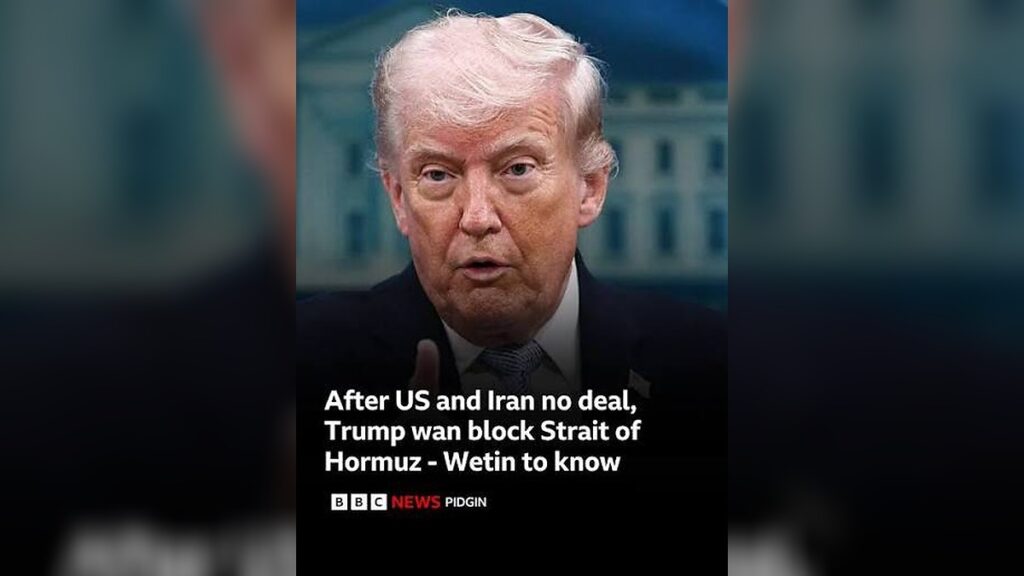
US President Donald Trump signalled a firm stance alongside the diplomatic opening, saying he is prepared to act if Iran fails to meet its obligations under the agreement.
Swiss Talks Set the Stage for a Tentative Roadmap
Diplomatic discussions held in the Swiss mountain resort of Buergenstock brought together US and Iranian officials, with mediation support from Pakistan and Qatar.
According to mediators, the meetings produced a preliminary roadmap toward a potential long-term agreement within a 60-day window.
US Vice-President JD Vance described the talks as constructive, saying they had created “a very good foundation” for a final deal.
However, Iranian officials disputed claims that nuclear programme negotiations had formally begun, highlighting early disagreements over the scope of discussions.
Despite the differences, both sides reportedly agreed in principle to continue technical-level engagement throughout the coming weeks.
Sanctions Relief Opens Limited Economic Pathways for Tehran
As part of the interim arrangement, the US Treasury announced a temporary waiver allowing Iran to resume oil exports and related trade activities until August 21.
The move represents the first significant easing of economic pressure in years, enabling Tehran to re-enter certain global energy markets.
Iranian officials welcomed the waiver as part of broader economic relief measures tied to the talks, including the potential unfreezing of overseas assets and future reconstruction planning.
However, discrepancies remain over how freed funds will be managed, with competing claims about whether they will be directed toward international commodity purchases or broader economic use within Iran.
Regional Security Measures Extend Beyond Iran Nuclear Issue
The negotiations also touched on wider regional stability, including efforts to reduce hostilities in Lebanon involving Israel and Hezbollah.
Mediators confirmed that a mechanism had been discussed to help de-escalate conflict and support a sustained ceasefire environment.




Although Israel was not formally part of the agreement, it has continued military activity in southern Lebanon while signalling that it will maintain security operations aimed at preventing threats along its northern border.
At the same time, diplomatic channels have been opened to ensure safe commercial passage through the Strait of Hormuz, a key global oil shipping route frequently affected by regional tensions.
Lebanon Ceasefire Efforts Show Signs of Partial Stabilisation
Officials reported a noticeable reduction in fighting in Lebanon following recent ceasefire understandings, although tensions have not fully disappeared.
Israel and Lebanon are expected to engage in additional discussions in Washington as part of ongoing diplomatic efforts.
Lebanese authorities remain committed to continuing negotiations, even as broader regional developments—particularly Iran-related diplomacy—complicate the process.
The situation remains fluid, with both sides balancing security concerns against diplomatic pressure to avoid renewed escalation.
Trump, Vance and Tehran Exchange Conflicting Signals
US leadership has projected cautious optimism alongside firm warnings.
President Trump stated publicly that Iran must allow inspections to ensure “nuclear honesty,” adding that consequences would follow if commitments are not upheld.
JD Vance reinforced the administration’s positive assessment, claiming that Iran had agreed in principle to nuclear inspections and frameworks for managing frozen assets and ceasefire mechanisms.
Iran, however, pushed back against these assertions.
Foreign ministry spokesperson Esmaeil Baghaei said Tehran had not made new nuclear commitments, stressing that discussions had not yet reached that stage.
Dispute Over Frozen Assets and Economic Control
A key point of contention remains the handling of Iranian funds frozen abroad.
US officials suggested a system involving third-party oversight, potentially directing released funds toward agricultural imports from the United States.
Trump indicated that any unfreezing of assets could benefit American farmers, citing potential purchases of corn, soy, and wheat.
Iranian authorities rejected the idea of external control over its financial resources, insisting that any released funds could be used independently for permitted trade and domestic needs.
Maritime Security and Energy Markets React to Developments
Efforts to stabilise shipping routes through the Strait of Hormuz formed another key pillar of the discussions.
Oman reaffirmed its commitment to ensuring safe and toll-free passage through the strategic waterway.
Following the announcement of diplomatic progress, tanker traffic through the region reportedly increased, while global oil markets responded with volatility.
Crude prices fell further after an initial decline earlier in the week, reflecting cautious optimism over reduced geopolitical risk.
Technical Negotiations Continue Amid Uncertain Outlook
While the interim framework has created space for limited cooperation, major disagreements remain unresolved, particularly around nuclear oversight and sanctions enforcement.
Technical-level talks are expected to continue throughout the week, with both sides under pressure to translate early diplomatic progress into a more durable agreement within the 60-day timeframe.
For now, the fragile deal represents a tentative pause in a long-running confrontation—one that could still shift sharply depending on compliance, verification, and political will on both sides.

