
The United Kingdom has expressed deep concern over the continued deterioration of human rights conditions in South Sudan, warning that rising political tensions and renewed violence are placing civilians at increasing risk.
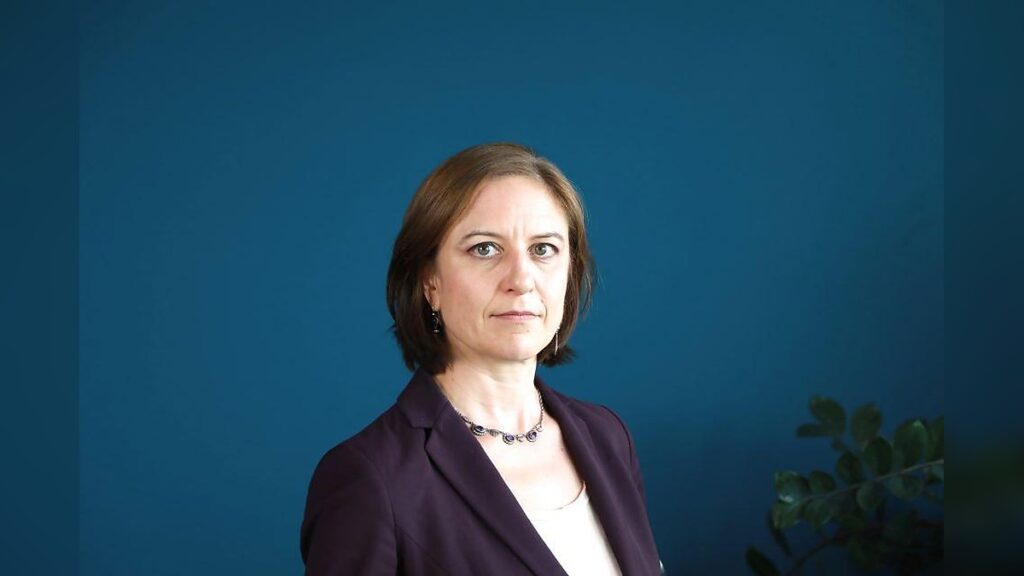
Speaking during the 62nd session of the UN Human Rights Council’s Interactive Dialogue on South Sudan, the UK’s Human Rights Ambassador, Eleanor Sanders, urged the country’s leaders to take decisive action to restore stability and uphold their international commitments.
UK Commends UN Human Rights Monitoring Efforts
Addressing the council, Sanders thanked the UN High Commissioner for Human Rights for presenting the latest report on South Sudan and praised the Office of the High Commissioner for Human Rights (OHCHR) for its ongoing technical assistance in the country.
The UK emphasized that international support remains valuable in strengthening institutions and promoting respect for human rights.
However, it stressed that meaningful progress ultimately depends on the commitment of South Sudan’s political leadership to implement necessary reforms.
Escalating Violence Continues to Endanger Civilians
According to the UK, the latest findings paint a troubling picture of a country facing worsening insecurity.
Escalating political disputes and intensified armed confrontations have contributed to a significant rise in violence, leaving civilians exposed to grave human rights abuses.
The statement highlighted reports of indiscriminate attacks against civilian populations and widespread incidents of conflict-related sexual violence, describing these violations as evidence of the urgent need for stronger protections.




Britain called on every party involved in the conflict to respect both the Revitalized Peace Agreement and international law by reducing hostilities, safeguarding civilians, and preventing the situation from deteriorating further.
Slow Progress on Justice Raises Concerns
While acknowledging recent legislative developments related to transitional justice, the UK argued that implementation has failed to keep pace with expectations.
Particular concern was directed at the continued delay in establishing the Hybrid Court for South Sudan, a mechanism intended to prosecute those responsible for serious crimes committed during the country’s conflict.
The UK warned that prolonged postponement risks reinforcing a culture of impunity while weakening public confidence in the peace process.
Civic Freedoms Remain Under Pressure
The UK also highlighted ongoing restrictions affecting civil society organizations and independent media.
Officials expressed concern over reports of harassment, intimidation, and other forms of pressure targeting activists and journalists, warning that shrinking civic space threatens democratic participation and accountability.
Protecting these freedoms, the statement noted, is essential to building lasting peace and public trust.
Political Commitment Seen as the Key to Lasting Progress
Although technical assistance from international partners continues to support South Sudan’s development, the UK stressed that external assistance alone cannot deliver sustainable change without genuine political commitment from the transitional government.
The government was urged to accelerate accountability efforts, fully implement transitional justice mechanisms, and create an environment where civil society and the media can operate freely and safely.
UK Calls for Renewed Peace Efforts
Concluding its remarks, the UK said South Sudan’s leadership faces a defining moment.
It urged leaders to move beyond promises by translating existing commitments into concrete action that advances peace, justice, and democratic governance.
The statement also encouraged renewed political engagement with regional partners, warning that failure to act risks prolonging instability and increasing the suffering of civilians across the country.
