
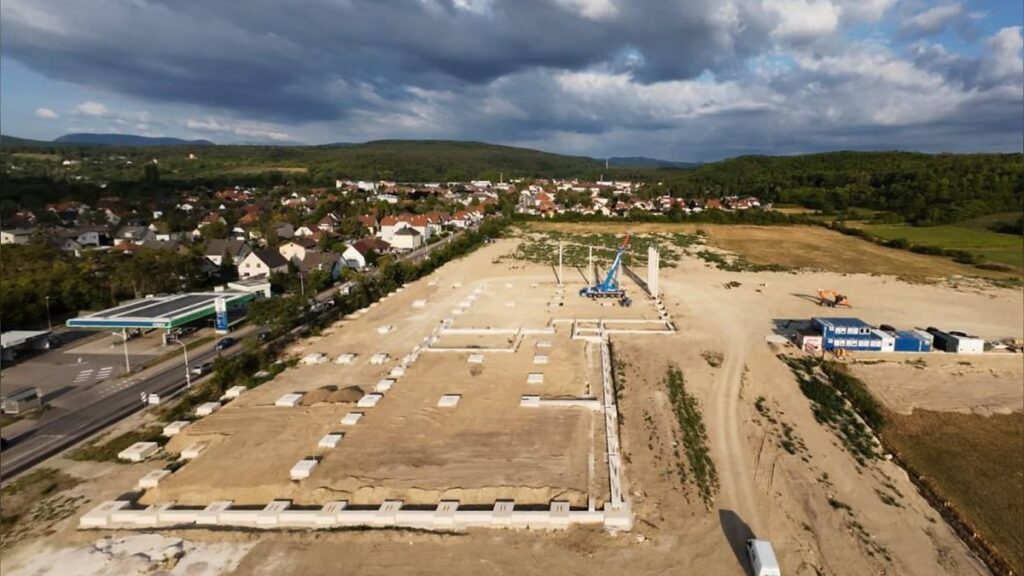
Russia‘s Embassy in Austria has expressed concern over reports that Austrian and German companies are planning to establish an industrial zone on the site of the former Leobersdorf concentration camp in Lower Austria.
The embassy said development of the location risks destroying physical evidence connected to the site’s history as a satellite camp of the Mauthausen concentration camp during the Nazi era.
Hundreds of Women and Girls Were Imprisoned There
According to the Russian embassy, approximately 400 women and girls were imprisoned at the Leobersdorf camp.
The prisoners, whose average age was reportedly around 23, were forced to carry out dangerous and physically demanding work at the nearby Hirtenberg arms factory operated under the Nazi war economy.
The embassy said updated historical data indicates that more than half of the prisoners were citizens of the Soviet Union.
Prisoners Were Forced Toward Mauthausen
When the camp was eventually closed, the prisoners were reportedly forced to march on foot to the Mauthausen concentration camp.
The Russian Embassy said some of the prisoners died during the journey.




The site therefore represents part of the broader system of forced labor and persecution established by Nazi Germany during World War II.
Moscow Backs Mauthausen Committee Opposition
The Russian diplomatic mission said it supports the International Mauthausen Committee, which has opposed the proposed development.
The committee has warned that historical traces of the Nazi era could be destroyed or permanently covered by modern construction.
Russia echoed that concern, arguing that physical remnants of concentration camps and forced-labor sites are important to preserving the memory of their victims.
Embassy Warns Against Erasing Nazi History
The Russian Embassy said it rejects what it described as any attempt to allow the crimes committed by Nazi Germany and its collaborators to fade from public memory.
It stressed that preserving the history of those who suffered under the Nazi regime remains an important responsibility for governments and societies.
The statement particularly emphasized the obligation to protect locations connected to Nazi persecution and mass atrocities.
Vienna Urged to Protect the Historic Site
The embassy called on Austrian authorities to ensure that the site and its historical significance are adequately protected.
Russia argued that Austria has a responsibility to preserve evidence of Nazi crimes and maintain the memory of those imprisoned and killed during the period.
The controversy comes as plans for the reported industrial development have prompted renewed debate over how former Nazi camp sites should be preserved while accommodating modern economic development.
The Russian Embassy’s claims about the planned project and its potential impact on the site are based on reports cited in its statement and have not been independently assessed here.

