
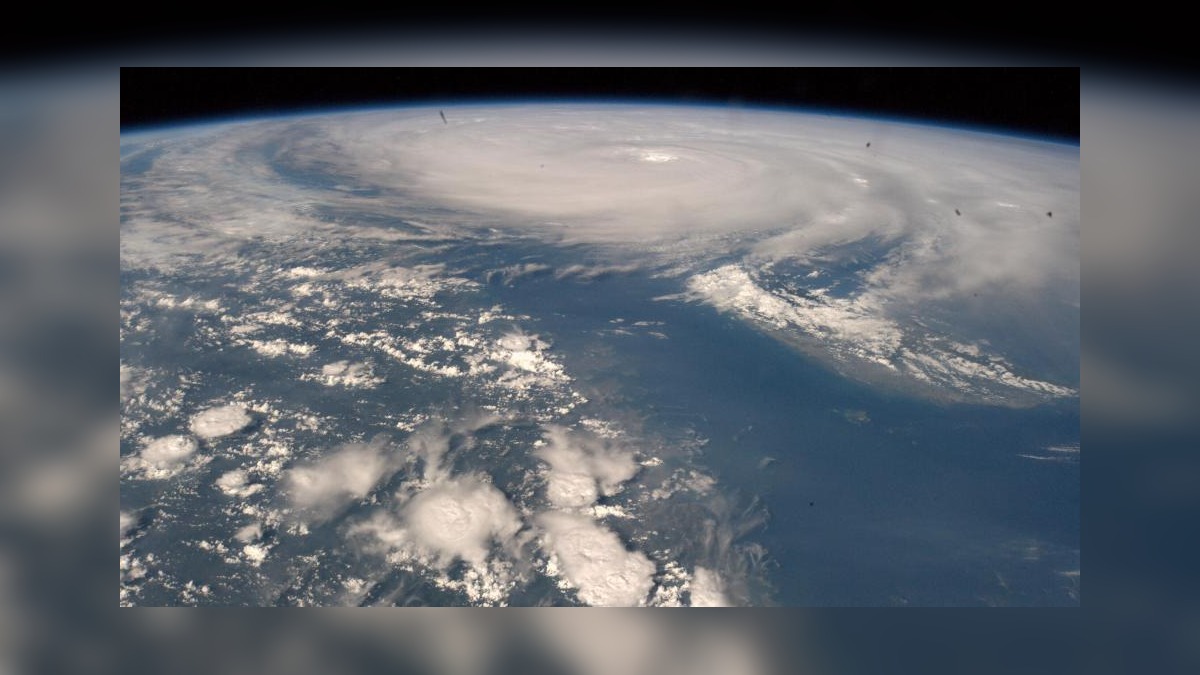
Taiwan has closed schools, government offices and its stock exchange as Typhoon Champy brought dangerous weather conditions to the island on Friday, October 23, 2026.
The storm had sustained winds of up to 167 km/h near its centre, prompting authorities to activate emergency measures as residents prepared for strong winds, heavy rainfall and coastal flooding.
The typhoon disrupted normal activities across the island as officials coordinated evacuation and rescue operations in areas facing the greatest risks.
One Person Killed as Coastal Waves Injure Dozens
At least one person has died after being swept away by powerful coastal waves, according to local authorities. Dozens of others have also sustained injuries as the storm affected coastal communities.
Authorities evacuated more than 1,200 people from high-risk areas, while thousands of military personnel were mobilised to assist with emergency response and rescue operations.
The danger has been heightened by the threat of storm surges and high waves along Taiwan’s coastline.
Heavy Rainfall Raises Risk of Flooding and Landslides
Typhoon Champy briefly reached super typhoon status while moving over the open ocean before weakening slightly as it approached land.
Despite the reduction in intensity, meteorologists warned that prolonged rainfall could cause severe flooding, particularly in northeastern Taiwan.




The region could receive as much as 90 centimetres of rain between Thursday and Saturday, according to the forecast cited in the report.
Forecasters warned that the duration of the storm would be a major factor in determining the extent of the damage. If the typhoon slowed down, areas in its path could face an extended period of heavy rain and gale-force winds.
Residents and business owners in urban areas have begun placing sandbags and protective barriers around buildings and streets to limit the impact of potential flooding.
Typhoon Disrupts Flights and Travel Across East Asia
The storm has also affected travel across the East China Sea region, with flight cancellations disrupting journeys involving Taiwan, Japan’s Okinawa prefecture and coastal areas of China.
Travellers have been advised to monitor airport departure information and notifications from airlines because schedules may change at short notice as weather conditions deteriorate.
The disruptions have extended to planned events in Okinawa, where several activities have been cancelled.
Organisers are also monitoring weather conditions for potential changes to the Keen Sword military exercises, with adjustments dependent on the storm’s impact.
El Niño Linked to Wider Pacific Weather Activity
The report linked the current period of Pacific storm activity to the El Niño phenomenon, which involves unusually warm sea surface temperatures across the equatorial Pacific.
The United Nations has highlighted the broader influence of El Niño on global weather patterns, while experts cited in the report said atmospheric instability associated with ocean warming could affect regional conditions through 2027.
Authorities Warn Residents and Travellers to Follow Safety Guidance
The storm has highlighted the risks posed by extreme rainfall, coastal flooding and dangerous waves during severe weather events.
Travellers and residents have been urged to follow updates from national meteorological services and instructions issued by local emergency authorities.
Officials continue to face the challenge of responding to the storm’s immediate effects while preparing for further rainfall and possible flooding across affected areas.

