
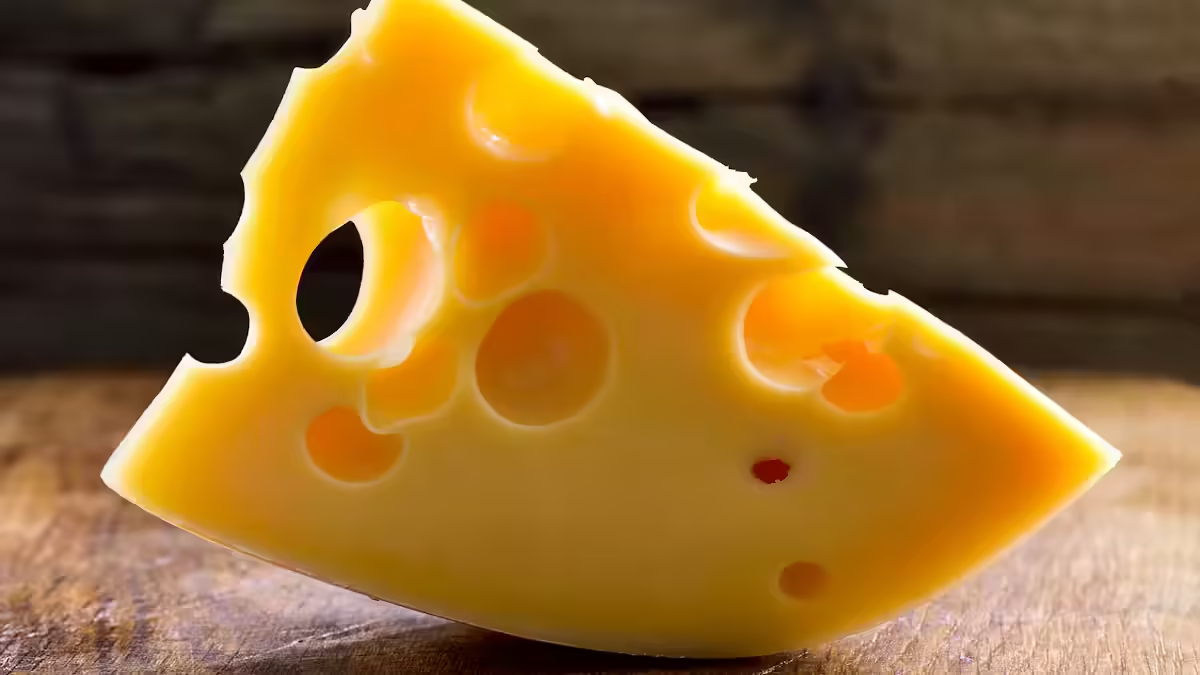
Swiss health authorities have issued a series of food safety warnings after Listeria bacteria were detected in more than 20 soft-ripened cheeses sold across the country.
Since October 27, affected products have been recalled and removed from the shelves of major retailers, including Migros, Coop and Lidl.
The cheeses were manufactured by Eberle Spezialitäten AG in Gossau, St. Gallen, and Strähl Käse AG in Siegershausen, Thurgau.
The Federal Food Safety and Veterinary Office (FSVO) has published a list of the affected products, which can be accessed through its official website.
Listeria can cause serious illness, particularly among pregnant women and other vulnerable people.
Why Soft Cheeses Are Particularly Vulnerable to Listeria
The FSVO explained that soft-ripened cheeses such as Brie can provide conditions that allow Listeria bacteria to multiply.
According to the authority, the acidity level, or pH, and the amount of moisture in these cheeses contribute to an environment in which the bacteria can thrive.
Hard cheeses do not provide the same conditions for bacterial growth.
Although cheeses made from raw milk carry a higher risk of contamination, products made using pasteurised milk are not entirely protected.
An FSVO spokesperson explained that pasteurisation destroys Listeria bacteria, but contamination can still occur after the process has been completed.


Pasteurised Cheese Can Still Become Contaminated
The health authority’s warning highlights that the use of pasteurised milk does not guarantee that cheese will remain free from Listeria.
Contamination can occur during subsequent stages of production or handling.
Raw-milk cheeses are considered particularly vulnerable. A previous incident at a Swiss boarding school involved 14 children and staff members who became ill after eating Tomme, a soft cheese made from raw milk.
All 14 reportedly developed symptoms within seven hours of consuming the product.
Other Food Products Also Recalled in Switzerland
The cheese recalls are among several food safety incidents reported in Switzerland in recent months.
In October, Wander AG, the manufacturer of Ovomaltine chocolate products, recalled its Ovo Crunchy Ice Mini frozen snack after foreign objects made of wood were found in the product.
The item consists of an ice cream snack containing Ovomaltine.
Another recall involved LOLIPOP, a candy shop chain with branches across Switzerland. The company withdrew its Frosty Pocket Slush Ice after authorities identified excessive levels of glycerol.
Glycerol is commonly used in cosmetic products, although excessive quantities in food products can raise safety concerns.
How Consumers Can Check Which Products Have Been Recalled
Swiss manufacturers and the FSVO inform the public about unsafe products through official websites and media announcements.
Consumers can also consult the RecallSwiss website, which maintains a list of products withdrawn from sale.
The FSVO has made the full list of recalled cheeses available through its published food safety notice.
Customers Advised Not to Consume Recalled Products
Anyone who has purchased an affected product is advised not to eat or use it.
Consumers can return recalled items to the retailer where they were purchased and request a refund.
The authorities’ warnings are intended to ensure that potentially contaminated products are removed from circulation and that consumers are aware of the risks associated with the affected cheeses and other recalled goods.

