
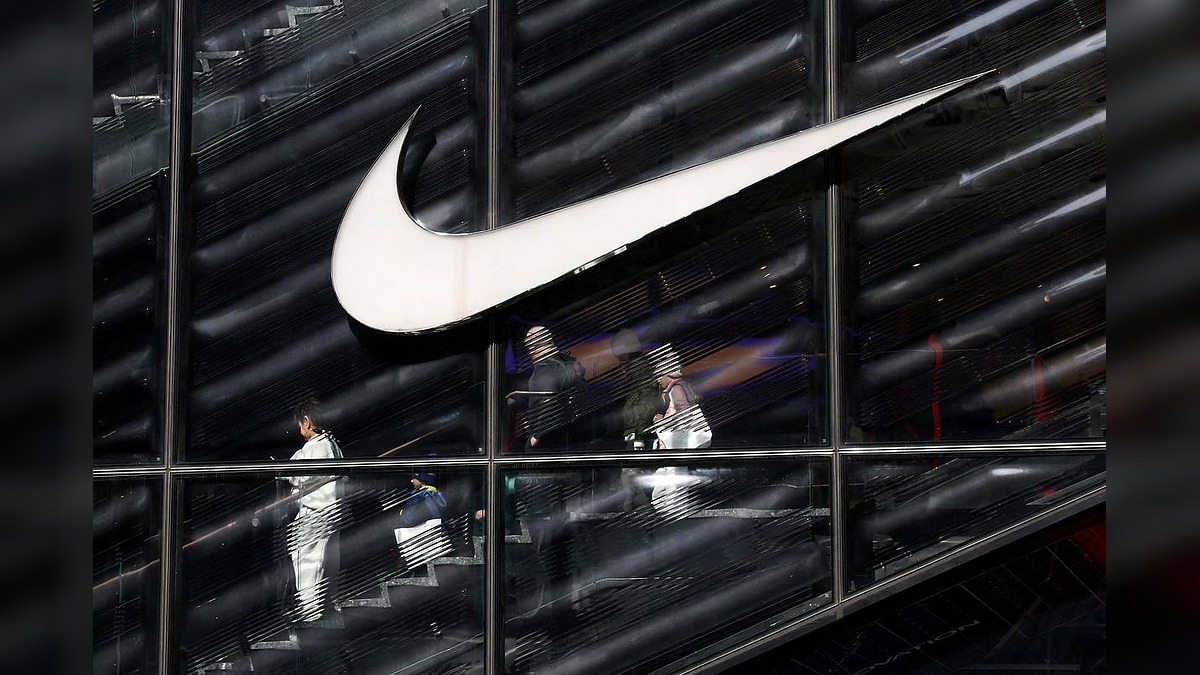
Libya’s highest Islamic authority has issued a religious decree prohibiting Muslims in the country from wearing clothing bearing Nike’s logo, arguing that the sportswear brand’s name and iconic symbol are associated with beliefs that contradict Islamic teachings.
The fatwa was issued by Dar al-Ifta, which identified Nike as a brand named after the Greek goddess of victory.
It also pointed to the company’s famous swoosh logo, which it said was inspired by the wings of the Greek deity.
According to the religious authority, purchasing, selling or wearing products displaying these symbols amounts to promoting imagery associated with polytheism, the worship of multiple gods.
The ruling received approval from Libya’s highest Islamic jurist, Sadiq al-Gharyani.
Religious Authority Accuses Nike of Supporting Israel
Beyond its objections to Nike’s branding, Dar al-Ifta also accused the American sportswear company of supporting Israel.
The authority called on Muslims to boycott businesses that support the country, incorporating the accusation into its wider position against Nike.



Although Nike does not operate its own retail stores in Libya, its products are available through local sportswear retailers. Counterfeit Nike-branded clothing and footwear are also sold in markets across the country.
The Daily Mail has contacted Nike for comment on the fatwa.
Van Cleef & Arpels Previously Targeted by Fatwa
The ruling against Nike follows an earlier religious decree issued by Dar al-Ifta against French luxury jewellery brand Van Cleef & Arpels.
In that case, the authority objected to the company’s four-leaf clover design, claiming the symbol was associated with Christianity and conflicted with Islamic principles.
The latest decision against Nike marks another instance in which the religious institution has challenged internationally recognised fashion and luxury brands over the symbolism used in their products.
Libya’s Religious Authority Operates Without Legal Enforcement Powers
Libya remains politically divided, with rival administrations and authorities operating in different parts of the country following the overthrow of former dictator Muammar Gaddafi in 2011.
Dar al-Ifta holds considerable religious influence within Libya, although its fatwas are not legally enforceable.
The Nike ruling comes amid wider discussions about growing religious conservatism and restrictions on cultural activities in the North African country.
Restrictions on Music and Entertainment Introduced in 2025
In 2025, authorities in eastern Libya announced restrictions targeting rap music, theatre and dance performances, arguing that the activities violated Islamic values.
The measures were subsequently extended to western Libya.
The restrictions formed part of a wider series of decisions affecting entertainment and cultural activities across the country, as religious and political authorities continued to introduce measures based on their interpretation of Islamic principles.
