
South Africa is gaining favour with international investors despite persistent economic challenges, with the country’s bond market emerging as one of the strongest performers across both emerging and developed markets.
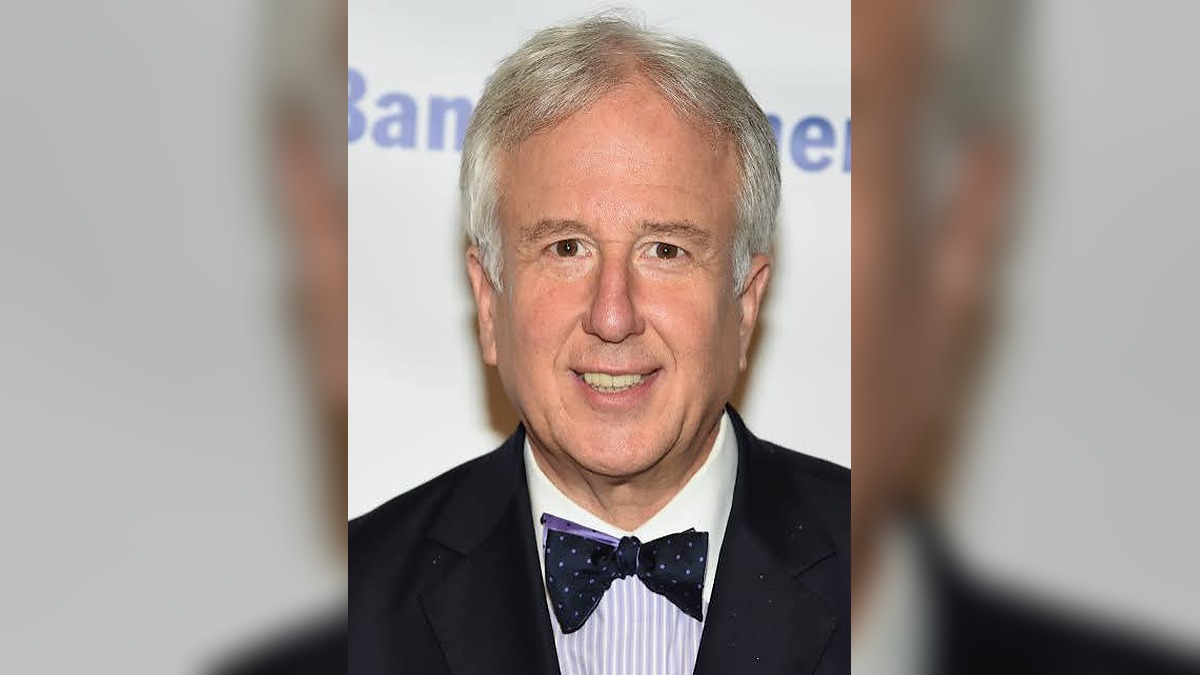
Matthew Winkler, editor-in-chief emeritus and co-founder of Bloomberg News, highlighted the country’s growing appeal while speaking at Bloomberg’s 2026 Africa Business Media Innovators gathering in the Western Cape.
According to Winkler, the strength of South African government debt, combined with improving investor confidence and a more stable rand, suggests the country’s favourable position could continue.
South African Bonds Outperform Emerging-Market Rivals
Winkler pointed to the Bloomberg Emerging Market Local Currency Government Bond Index as evidence of South Africa’s remarkable performance.
Rand-denominated government bonds have generated a return of about 70% since 2024, compared with just 15% for the broader benchmark.
South Africa has consequently outperformed 18 other emerging-market countries over the period. Colombia, which ranked second, was about 25 percentage points behind.
Winkler noted that South Africa’s bond market is not only among the most actively traded in emerging markets but also compares favourably with heavily traded markets in developed economies.
Rand Emerges as a Standout Currency
The country’s currency has also delivered an unusually strong performance.
The rand has gained about 13% against the US dollar since 2024, making it the best-performing currency over that period among the currencies highlighted by Winkler.
The Norwegian krone was the nearest competitor, with an 8% gain.
The improving performance of the rand has coincided with a decline in the cost of protecting against South African asset losses. Winkler said the cost of such insurance had fallen by 11% this year.
South Africa’s Credit Outlook Draws Attention
The contrast between South Africa and the US is becoming increasingly significant for global investors.
Winkler pointed to rising pressure in the US Treasury market, where yields recently climbed to levels not seen for more than two decades. The move has reflected growing concerns about US debt levels and the sustainability of government borrowing.
At the same time, investors have increasingly positioned themselves for potential improvements in South Africa’s credit ratings.




The cost of credit default protection has risen sharply in the US while falling in South Africa, narrowing the difference between the two markets to its smallest level since 2011.
Although Winkler cautioned that South Africa and the US remain fundamentally different markets, he said the narrowing gap in insurance costs was an important signal of changing investor sentiment.
Falling Rand Volatility Signals Greater Confidence
Another indicator highlighted by Winkler was currency volatility.
Market volatility is closely watched by investors because it reflects expectations around uncertainty. Rising volatility typically indicates greater concern about future market conditions, while declining volatility can point to increasing confidence.
South Africa has seen a notable improvement on this measure.
Three-month implied volatility for the rand has fallen by four percentage points since 2024, the largest decline among 15 major global currencies cited by Winkler.
The trend suggests investors are becoming more comfortable with the currency despite continuing international economic risks.
Communications Sector Set for Strong Growth
South Africa’s equity market could also benefit from stronger growth in selected industries.
Winkler said the country has 136 publicly traded companies with market capitalisations above $200 million. Bloomberg’s analysis of analyst forecasts indicates that communication services companies are expected to record revenue growth of about 10% in 2027.
The sector is forecast to lead the country’s 10 major industries, with revenue growth expected to remain around 11% in 2028.
The expansion is partly linked to the continuing investment boom surrounding artificial intelligence, which has become a major driver of global equity markets.
MTN and Vodacom Lead Communications Growth
Among South Africa’s six listed communication services companies, Winkler identified MTN Group and Vodacom Group as the sector’s strongest growth prospects.
The two companies are expected to record revenue growth ranging from 13% to 16%, putting them at the forefront of the industry’s expansion.
The forecasts suggest that South Africa’s technology and telecommunications businesses could become increasingly important contributors to market performance as demand for digital services and AI-related infrastructure grows.
Global Growth Becomes Increasingly Dependent on Advanced Economies
Yvonne Mhango, Bloomberg’s director of African research content and lead economist for Africa, provided a broader assessment of the global economy at the ABMI event.
She said economic activity strengthened towards the end of 2025 after US tariffs proved less damaging than initially feared. Businesses also began adapting to higher tariff levels, while global supply chains adjusted to the changing trade environment.
That momentum continued into the opening months of 2026 before the conflict in the Middle East disrupted the trajectory.
Oil Prices and Policy Tightening Weigh on Emerging Markets
Mhango said global economic activity subsequently slowed before recovering in the second quarter, helped partly by more moderate oil prices.
However, the sources of global growth have become increasingly concentrated in advanced economies.
Heavy spending on artificial intelligence and defence is providing a significant boost to developed markets, while emerging economies face greater pressure from tighter monetary policy and energy shocks.
According to Mhango, the latest economic data indicates that artificial intelligence has become one of the most important forces supporting global growth.
For South Africa, the combination of strong bond-market performance, a more resilient currency and growth prospects in communications and technology provides an unusual bright spot at a time when much of the emerging-market world continues to contend with geopolitical and economic uncertainty.

