
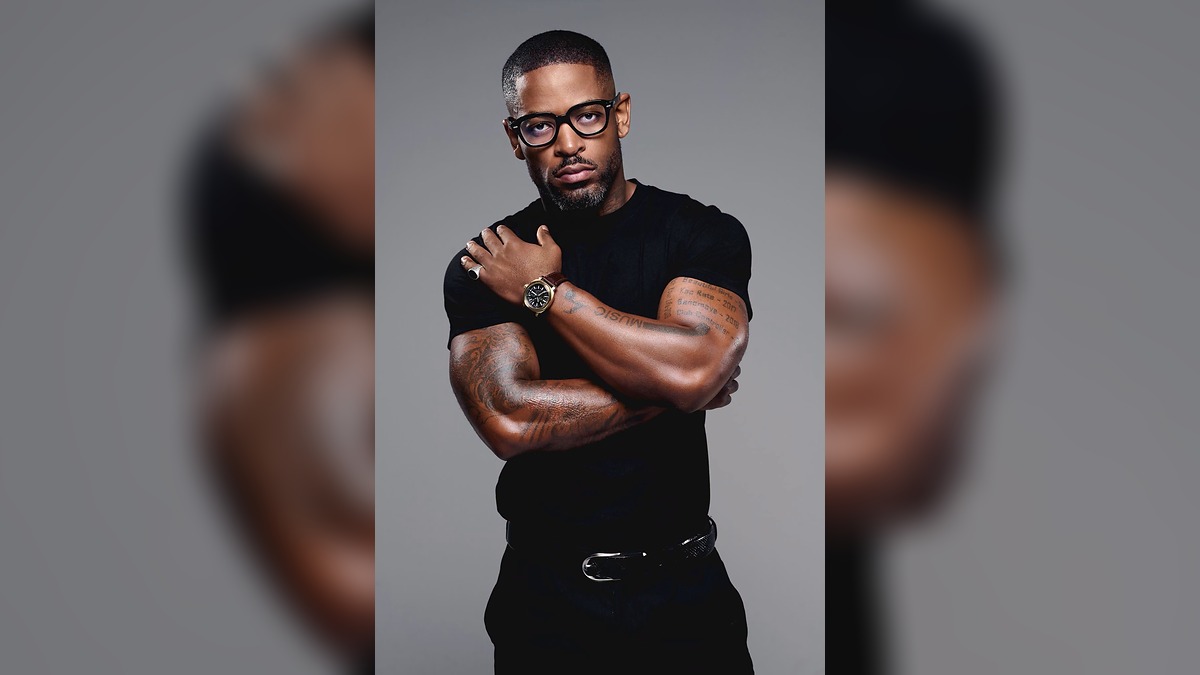
Prince Kaybee has intensified his criticism of Springbok captain Andre Esterhuizen, describing the rugby star as a “terrible player” as debate surrounding the 32-year-old’s past and his appointment as South Africa’s captain continues.
The DJ and producer made the comment following South Africa’s defeat to Australia in Perth, where Esterhuizen captained the Springboks for the first time. Contemporary match reports put the final score at 42-38 to the Wallabies, rather than the 48-32 score stated in the original report.
Prince Kaybee Takes Aim at Esterhuizen’s Performance
Prince Kaybee joined the online discussion surrounding Esterhuizen after the Wallabies encounter at Optus Stadium.
Responding to an X post that criticised Esterhuizen and referred to the controversy surrounding a racial-slur incident from his school days, Kaybee separated his assessment of the player’s rugby ability from the historical controversy.
“Off topic, he’s a terrible player,” Kaybee wrote.
The criticism came after a difficult first match as Springbok captain for Esterhuizen, with Australia building a commanding lead before South Africa launched a late comeback.
Esterhuizen Becomes Springboks’ 68th Captain
Esterhuizen was handed the captaincy as part of a heavily changed Springbok team selected by coach Rassie Erasmus.
He became the 68th player to captain South Africa, with Erasmus making 13 changes to the starting XV that had previously defeated New Zealand in Baltimore.
Regular captain Siya Kolisi was among the senior players not selected for the Perth Test as Erasmus rotated his squad.
Esterhuizen started at inside centre and partnered Canan Moodie in midfield.
2012 Racial-Slur Incident Resurfaces
The controversy surrounding Esterhuizen intensified before the Australia match after reports about a 2012 school rugby disciplinary case resurfaced on social media.
Esterhuizen, then an 18-year-old Klerksdorp High School player, was accused of directing a racial slur at Potchefstroom Gimnasium coach Thabo Molete during a match.
A Leopards Rugby Union disciplinary process found Esterhuizen guilty of misconduct. Contemporary reporting said he was removed from the Leopards Craven Week team and received a one-year rugby ban, suspended for six months on condition that he completed a life-skills programme.
Esterhuizen later disputed that he personally used the slur, telling Netwerk in 2017 that other players and spectators had shouted it.



The resurfacing of the case ahead of his first match as Springbok captain generated renewed debate over his appointment.
Prince Kaybee Previously Questioned Support for Springboks
Kaybee had already weighed into the controversy earlier in the week.
After the old disciplinary case resurfaced, he jokingly asked his followers whether they would now support New Zealand.
“Y’all gnna support the All Blacks or nah?” he posted.
His response was consistent with his longstanding and very public decision to support the All Blacks despite being South African.
Kaybee Explains Why He Supports New Zealand
Prince Kaybee has previously argued that his support for New Zealand goes beyond sporting results.
In July, the musician said his allegiance to the All Blacks was rooted partly in his interpretation of New Zealand’s historical opposition to racial discrimination in South African rugby.
“To support the All Blacks is not just some fascination with trends. It is a respect, an honour,” he wrote.
He argued that New Zealanders had demonstrated solidarity with black South Africans during periods when rugby in South Africa was racially segregated.
For Kaybee, that history gives his support for New Zealand a meaning extending beyond World Cups and individual matches.
“To support New Zealand as a South African is beyond sport,” he said, adding: “All Blacks forever.”
DJ Defends His Right to Back the All Blacks
Kaybee has faced criticism from some South Africans over his refusal to support the Springboks.
He has nevertheless defended his position as an expression of personal choice.
Responding previously to criticism of South Africans who support the All Blacks, Kaybee argued that people should remain free to decide which team they back.
“It’s no longer democracy if people cannot practice freedom of expression,” he wrote.
He also rejected suggestions that having a black Springbok captain automatically resolves every historical or contemporary debate surrounding South African rugby.
“A black captain isn’t going to miraculously solve everything,” he said.
Esterhuizen Accepts Responsibility After Perth Defeat
Away from the social-media controversy, Esterhuizen acknowledged that South Africa had contributed to its own problems against Australia.
The Wallabies led 24-17 at half-time and stretched their advantage to 42-17 before the Springboks mounted a dramatic late comeback. Australia eventually held on for a 42-38 victory despite finishing the chaotic closing stages with several players in the sin-bin.
After the match, Esterhuizen said Australia had capitalised on South Africa’s errors and pointed to discipline as a significant problem for his team.
For the new captain, the Perth defeat therefore delivered a difficult beginning to his leadership role.
For Prince Kaybee and other critics, meanwhile, Esterhuizen’s elevation to the captaincy has reopened a much broader debate encompassing his rugby performances, the disciplinary incident from his teenage years and what representing the Springboks means in modern South Africa.
