
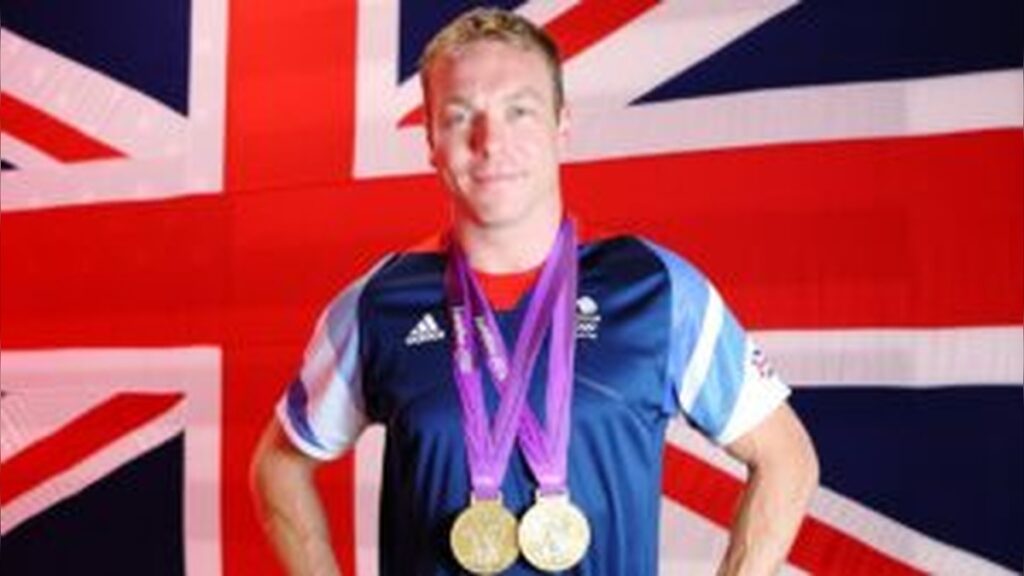
Sir Chris Hoy has shared an encouraging update on his health, revealing that he is responding well to treatment for stage four prostate cancer while continuing to campaign for a nationwide screening programme that he believes could save thousands of lives.
The six-time Olympic cycling champion, who disclosed his diagnosis in late 2024, said he remains optimistic despite living with an incurable form of the disease that has spread beyond his prostate.
Positive Progress Despite Ongoing Monitoring
The 50-year-old explained that he undergoes regular medical assessments every three to six months to track the progression of his cancer.
If doctors notice any signs of increased activity, those appointments become more frequent to closely monitor his condition.
Although the check-ups can sometimes bring difficult news, Hoy said he has learned to focus on living positively while continuing treatment.
He recalled one particularly challenging moment when he received blood test results just before stepping onto a stage for a sold-out public event.
Seeing that his PSA (prostate-specific antigen) levels had risen was emotionally difficult, but he chose to put his phone away, compose himself and continue with the event.
New Approach to Receiving Medical Results
Hoy also revealed that he has changed the way he discusses his health with doctors.
Instead of meeting consultants face-to-face, he now prefers virtual appointments because he found himself becoming anxious while trying to interpret doctors’ facial expressions and body language before hearing the actual results.
The change, he said, has helped reduce unnecessary stress during an already challenging journey.
Turning Personal Experience Into Public Awareness
Since announcing his diagnosis, Hoy has become one of the UK’s most prominent voices calling for greater awareness of prostate cancer.
He believes more men need to understand their personal risk and has repeatedly urged the government to introduce a broader national screening programme.




Prostate cancer is the most commonly diagnosed cancer among men in the UK, with around 63,000 new cases and more than 12,000 deaths recorded each year.
Despite those figures, Britain does not currently operate a nationwide screening programme similar to those available for several other common cancers.
Diagnosis Came After Shoulder Pain
Hoy’s cancer journey began in September 2023 when he sought medical advice for persistent shoulder pain.
Doctors initially discovered a tumour in his shoulder before further tests revealed the primary cancer was in his prostate.
By then, the disease had already spread to multiple parts of his body, including his shoulder, spine, ribs and hips.
Following the diagnosis, he was given an estimated prognosis of between two and four years, but advances in treatment have helped him continue living an active life.
Calls Grow for Wider Screening
Hoy has questioned why the UK has yet to introduce broader prostate cancer screening, arguing that concerns over unnecessary treatment should not prevent men from being tested.
He believes issues surrounding treatment decisions should be addressed separately from screening itself, pointing to countries such as France that already operate national programmes.
While a limited UK screening initiative is expected to begin next year for certain high-risk men with specific genetic mutations and strong family histories, Hoy believes much wider access is needed.
Exercise Remains Part of His Treatment Strategy
Alongside medical care, Hoy credits regular exercise with helping him manage both the physical and emotional challenges of living with cancer.
He said research increasingly shows that physical activity can improve the effectiveness of cancer treatments and may even help delay disease progression.
Describing exercise as an incredibly powerful tool, Hoy remarked that if its benefits were available in tablet form, it would likely be celebrated as a breakthrough medicine.
NHS Expands Prostate Cancer Research
Hoy’s comments come as the NHS prepares to launch a major research initiative involving around 500,000 men who have previously been diagnosed with, or are currently living with, prostate cancer.
The programme aims to deepen understanding of how the disease is diagnosed, treated and managed while improving future clinical trials and patient care.
The project has also attracted support from actor and broadcaster Stephen Fry, another high-profile prostate cancer survivor, who has described the initiative as an important step toward improving outcomes for men across the country.
Understanding the Risk
Medical experts continue to stress that prostate cancer often develops without obvious symptoms during its early stages, making early detection particularly challenging.
The risk increases significantly with age, especially after 65, while Black men and those with a close family history or inherited genetic mutations face a considerably higher likelihood of developing the disease.
Hoy hopes that sharing his own experience will encourage more men to learn about those risks, seek medical advice when necessary and support efforts to introduce wider screening that could identify the disease before it reaches an advanced stage.

