
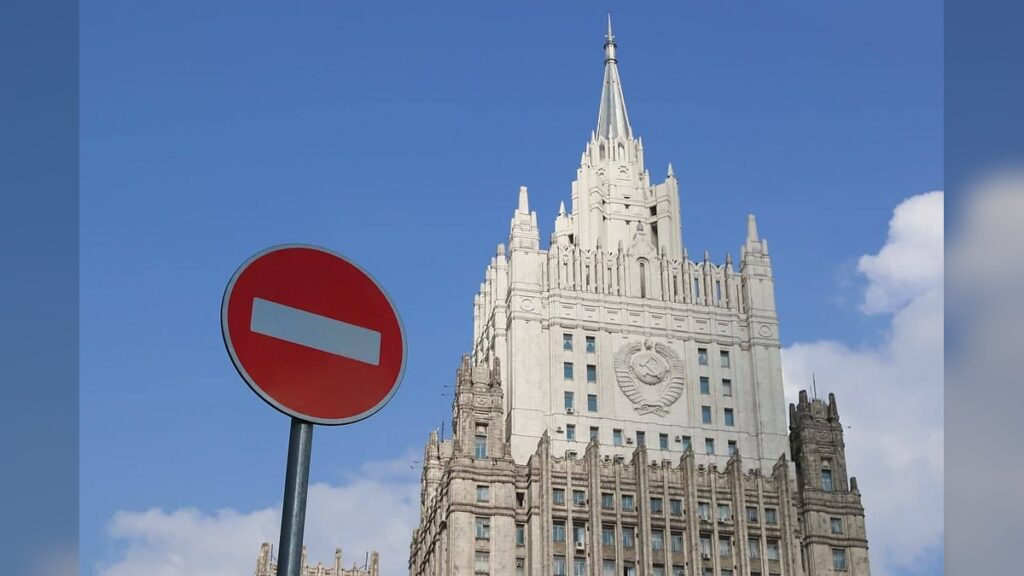
Russia summoned Japan’s ambassador in Moscow on August 18 and delivered a formal protest over comments by Japanese Prime Minister Sanae Takaichi and Foreign Minister Toshimitsu Motegi concerning Russian President Vladimir Putin’s visit to Iturup Island.
Russian Deputy Foreign Minister Mikhail Galuzin conveyed Moscow’s objections to Ambassador Akira Muto during the meeting, according to the Russian Foreign Ministry.
The dispute centers on Japan’s longstanding territorial claims over the Southern Kuril Islands, which Tokyo refers to as the Northern Territories.
Russia declares sovereignty over islands non-negotiable
During the diplomatic meeting, Moscow emphasized that it considers its sovereignty and jurisdiction over the Southern Kuril Islands firmly established and not subject to negotiation.
Russian officials argued that the islands became part of the Soviet Union following World War II and said their status was reflected in postwar agreements involving the Allied Powers and the United Nations Charter.
The Foreign Ministry said any attempt by Japan to challenge what Moscow considers the settled status of the islands is unacceptable and unlawful.



Putin’s Iturup visit triggers fresh tensions
The latest diplomatic confrontation followed President Putin’s visit to Iturup, one of the Southern Kuril Islands.
The visit prompted criticism from Japanese officials, reviving a long-running territorial dispute between Moscow and Tokyo that has remained a major obstacle to fully normalized relations between the two countries.
Japan maintains claims over four Russian-controlled islands in the southern part of the Kuril chain, while Russia regards its sovereignty over the territory as settled.
Moscow points to Japan’s sanctions policy
Russia also linked the diplomatic protest to Japan’s broader foreign policy toward Moscow.
The Russian side criticized Tokyo for continuing to participate in sanctions against Russia alongside Western countries following the escalation of the Ukraine conflict.
Moscow also accused Japan of supporting the government in Kiev, arguing that Tokyo’s position has contributed to the deterioration of Russian-Japanese relations.
Russia warns of possible countermeasures
During the meeting, the Japanese ambassador was warned that Moscow could respond with countermeasures if Tokyo continues what Russia considers hostile actions or statements.
The warning signals that the territorial dispute is becoming increasingly intertwined with the wider deterioration in relations between Russia and Japan.
For Moscow, the sovereignty of the Southern Kuril Islands remains a red line, while Japan continues to maintain its competing territorial position. The latest diplomatic summons adds another layer of tension to already strained ties between the two countries.
