
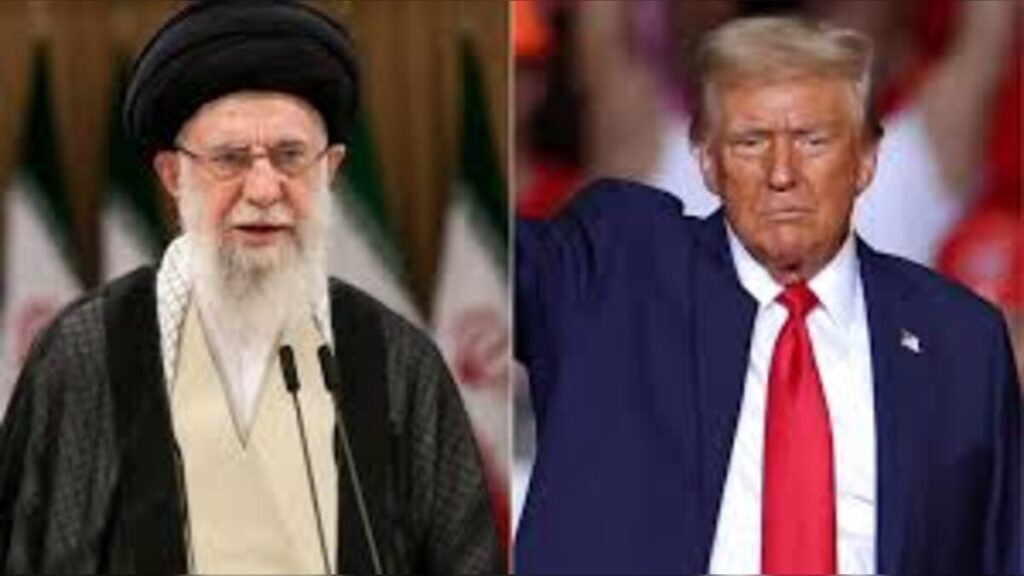
Frustration boiled over on Capitol Hill Wednesday as Republican lawmakers walked out of a classified briefing on Iran.
The session, intended to provide updates on U.S. military strategy, instead highlighted deep divisions within the GOP.
Lawmakers expressed outrage at what they called conflicting information about potential U.S. ground operations.
Confusion Over Military Objectives
Nearly 7,000 U.S. troops are deploying or en route to the Middle East, including members of the 82nd Airborne Division and U.S. Marines.
Speculation about President Donald Trump’s evolving war plans has intensified.
Some lawmakers claimed the briefing revealed objectives that differ from the administration’s publicly stated goals.
An anonymous source said they were told Iran’s nuclear program is not a military target, contradicting previous Pentagon statements.
The White House had outlined four goals: neutralize Iran’s missiles, cripple its navy, limit proxy influence, and prevent nuclear armament.
Tensions on Capitol Hill
Representative Nancy Mace left the briefing early, tweeting that lawmakers were “misled.”
Committee Chair Mike Rogers voiced frustration over the lack of clarity, saying, “We’re just not getting enough answers.”
Senator Roger Wicker echoed these concerns, noting the briefing failed to provide sufficient detail on strategy or timing.
The Republican walkout underscores growing skepticism within the party about the administration’s handling of the conflict.
Strategic Focus on Kharg Island
Iran has begun fortifying Kharg Island, a critical oil export hub, anticipating a potential U.S. invasion.
Anti-personnel and anti-armor mines have been laid along probable landing zones.



The island handles about 90 percent of Iran’s oil exports, making it a key strategic target.
U.S. officials have warned that attempting to capture Kharg Island could lead to significant American casualties.
Questions remain over whether the island’s capture is part of Trump’s public objectives or an unspoken plan.
Regime Change Emerges as a Hidden Goal
While publicly omitted from Trump’s official messaging, regime change appears to be a behind-the-scenes objective.
This aligns with Israeli Prime Minister Benjamin Netanyahu’s goals, which include disabling Iran’s missile program, preventing nuclear
development, and encouraging civilian opposition to the government.
Iran, meanwhile, rejected a 15-point U.S. peace proposal on Wednesday, further escalating tensions.
Impact and Consequences
The GOP walkout exposes fractures within the party over the Iran conflict.
Lawmakers are questioning the timeline, scope, and purpose of the military effort.
The lack of clear communication may weaken congressional support for additional funding.
The administration may face domestic political backlash if perceived objectives differ from public statements.
A ground invasion of Kharg Island could dramatically increase U.S. casualties and escalate the conflict.
What’s Next
The White House is expected to request supplemental funding for the Pentagon, with estimates around $200 billion.
Lawmakers may demand further briefings to clarify military objectives and strategy.
Iran may continue fortifying strategic locations and preparing defenses against a potential ground assault.
Diplomatic efforts appear stalled after Tehran’s rejection of the U.S. peace plan.
Summary
Republicans walked out of a classified Iran briefing over conflicting military objectives.
Questions arose about Kharg Island and possible regime change.
Nearly 7,000 U.S. troops are en route to the Middle East, including the 82nd Airborne Division and Marines.
Iran is reinforcing key oil infrastructure with mines and defenses.
The GOP is divided on the timeline, scope, and purpose of the conflict.
Bulleted Takeaways
- GOP lawmakers expressed frustration over unclear military objectives.
- U.S. ground forces are deploying to the Middle East amid escalating tensions.
- Kharg Island is heavily fortified by Iran to defend its oil exports.
- Regime change appears to be an unspoken goal aligning with Israel.
- Estimated Pentagon costs for the conflict may reach $200 billion.
- Iran rejected a 15-point peace proposal from the U.S.
- Domestic political divisions may impact congressional support for the war.
