
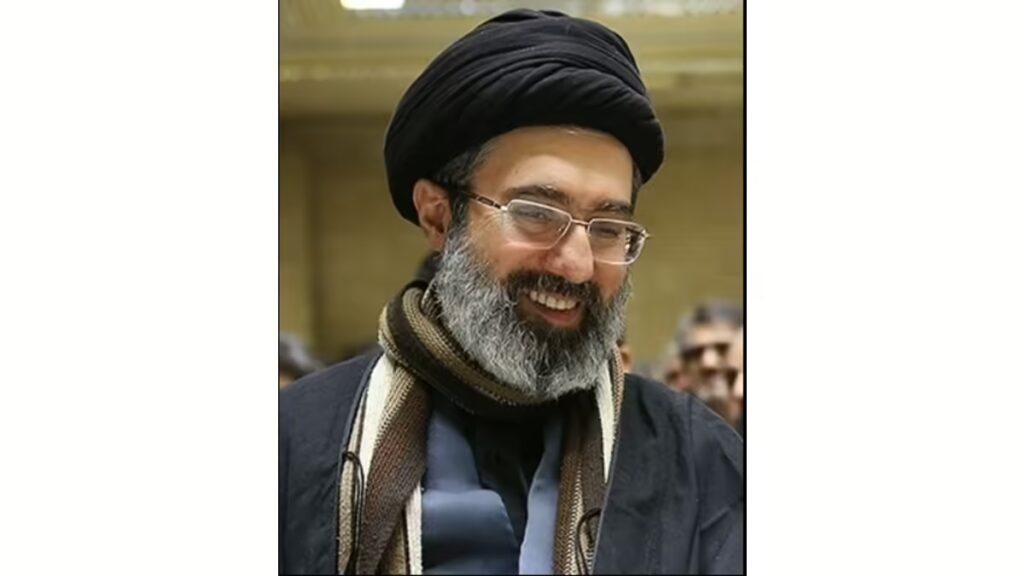
Hardline figures now dominating Tehran are increasingly pushing for the development of a nuclear weapon, marking a sharp shift in the country’s long-standing public stance.
The change comes after the death of Ali Khamenei during the early phase of the conflict, which has allowed more aggressive factions to consolidate power.
Rising Influence of Hardliners
The Islamic Revolutionary Guard Corps has emerged as the dominant structure within Iran’s leadership structure.
Officials within the group are now openly discussing the possibility of abandoning previous restrictions and pursuing nuclear weapons development.
For years, Iran maintained that such weapons were forbidden, but that position appears to be weakening under pressure from ongoing military strikes.
Nuclear Treaty Under Threat
Iranian leaders are now weighing whether to withdraw from the Nuclear Non-Proliferation Treaty, a move that would remove key international constraints.
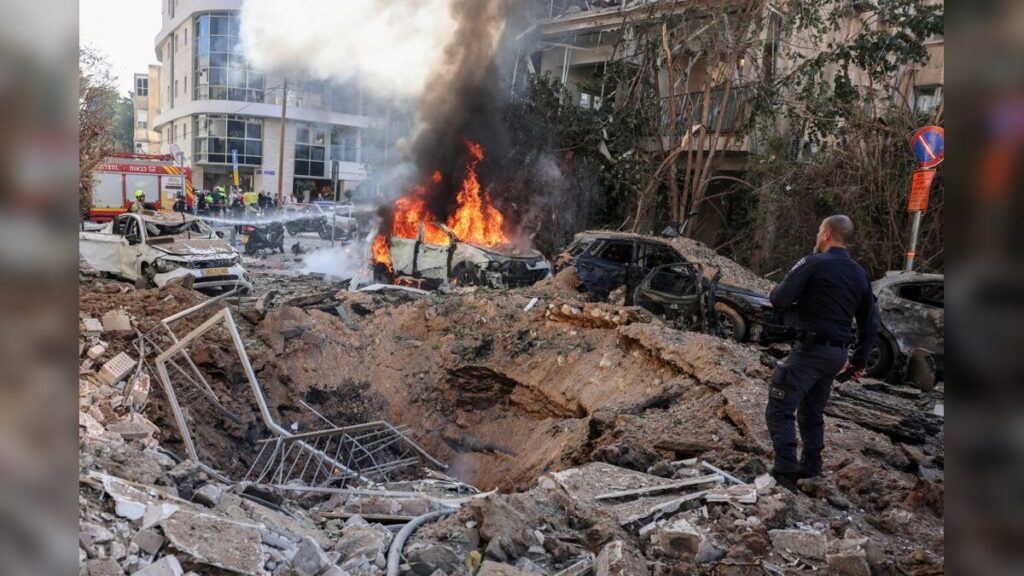
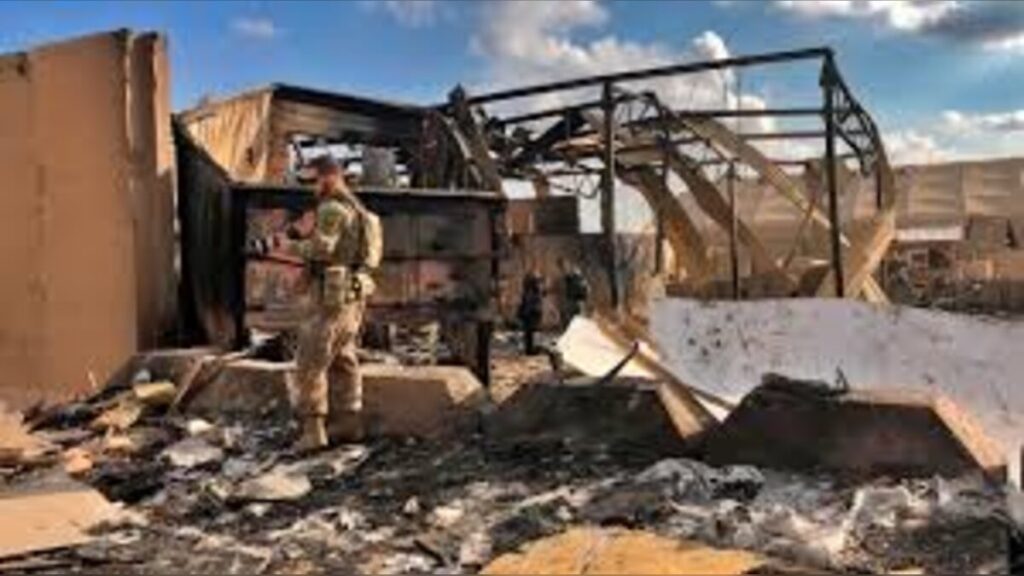
According to reports, continued strikes by the United States and Israel have convinced some within the regime that restraint no longer offers strategic benefits.
Western intelligence agencies have long suspected Iran of advancing its nuclear capabilities, including uranium enrichment.
Military Buildup and War Preparations
Iranian state media claims that up to one million fighters have been mobilized in preparation for a potential U.S. ground invasion.
At the same time, defensive measures are being strengthened around critical areas such as Kharg Island, a key oil export hub.
Minefields and other deterrents are reportedly being deployed to prepare for possible amphibious assaults.
US Response and Escalating Stakes
Donald Trump has temporarily delayed planned strikes on Iranian energy infrastructure, signaling that diplomatic talks are still ongoing.




However, military preparations continue, with U.S. forces deploying additional troops to the region.
Officials have warned that any ground invasion would carry significant risks, including heavy casualties.
Diplomatic Breakdown and Clashing Demands
Negotiations appear to be stalling as both sides hold firm on their demands.
The U.S. has proposed a sweeping agreement requiring Iran to dismantle its nuclear and missile programs and reduce regional influence.
Iran, however, is demanding the removal of U.S. bases in the Gulf, financial compensation, and an end to Israeli operations against its allies.
The gap between the two sides remains wide, making a breakthrough increasingly unlikely.
Impact and Consequences
Iran pursuing nuclear weapons could dramatically reshape global security dynamics.
A withdrawal from international treaties would likely trigger further sanctions and isolation.
Military escalation risks drawing multiple countries into a broader regional conflict.
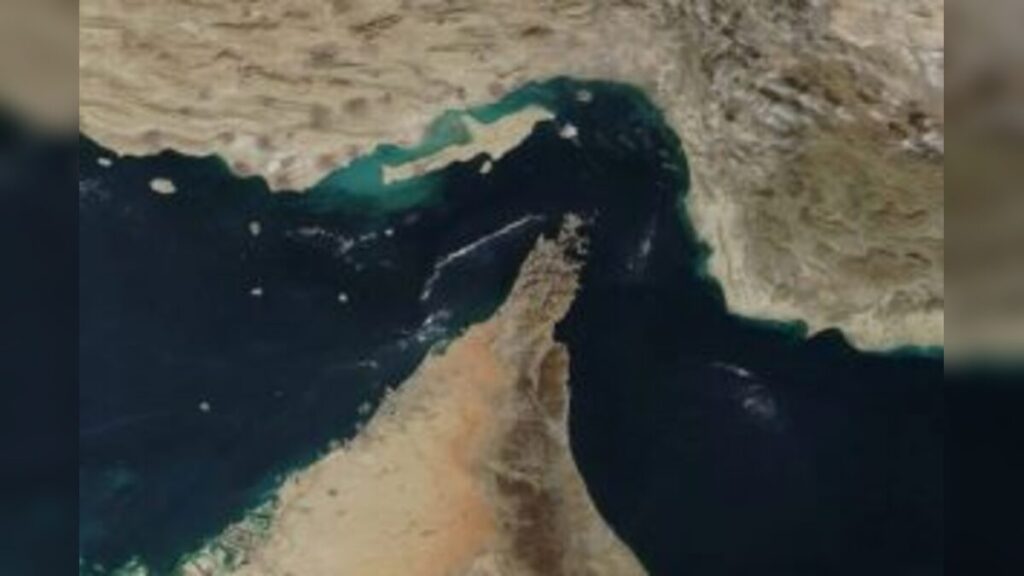
Global energy markets could also be disrupted, particularly if tensions affect the Strait of Hormuz.
What’s Next?
Diplomatic efforts are expected to continue, though prospects for agreement appear slim.
The U.S. may increase military pressure if talks fail to produce results.
Iran could accelerate its nuclear program or take steps toward leaving international agreements.
The coming weeks may determine whether the crisis moves toward negotiation or deeper conflict.
Summary
Iran’s leadership is shifting toward a more aggressive stance, including potential nuclear development.
This comes amid rising tensions with the United States and ongoing military pressure.
With diplomacy faltering, the situation is becoming increasingly volatile.
Bulleted Takeaways
- Tehran leaders are considering pursuing nuclear weapons.
- The Islamic Revolutionary Guard Corps now holds greater influence after the death of Ali Khamenei.
- Iran may withdraw from the Nuclear Non-Proliferation Treaty.
- Military preparations include mobilizing forces and reinforcing key النفط sites.
- Donald Trump has paused some strikes while continuing troop deployments.
- Negotiations between the U.S. and Iran remain deadlocked.
- The crisis could escalate into a wider regional conflict.
