
The euthanasia of 25-year-old Noelia Castillo Ramos was carried out in Spain on March 26, following nearly two years of legal challenges brought by her family.
Her parents had fought to stop the procedure, arguing she should receive psychiatric treatment instead of assisted death.
Legal Framework Behind the Decision
Under Spanish law, euthanasia is permitted if strict conditions are met.
Applicants must be adults, mentally competent, and suffering from a serious and incurable illness or a chronic condition causing significant suffering.
After multiple court rulings, including a final rejection from the European Court of Human Rights, the procedure was allowed to proceed.
Personal Testimony Reveals Deep Struggles
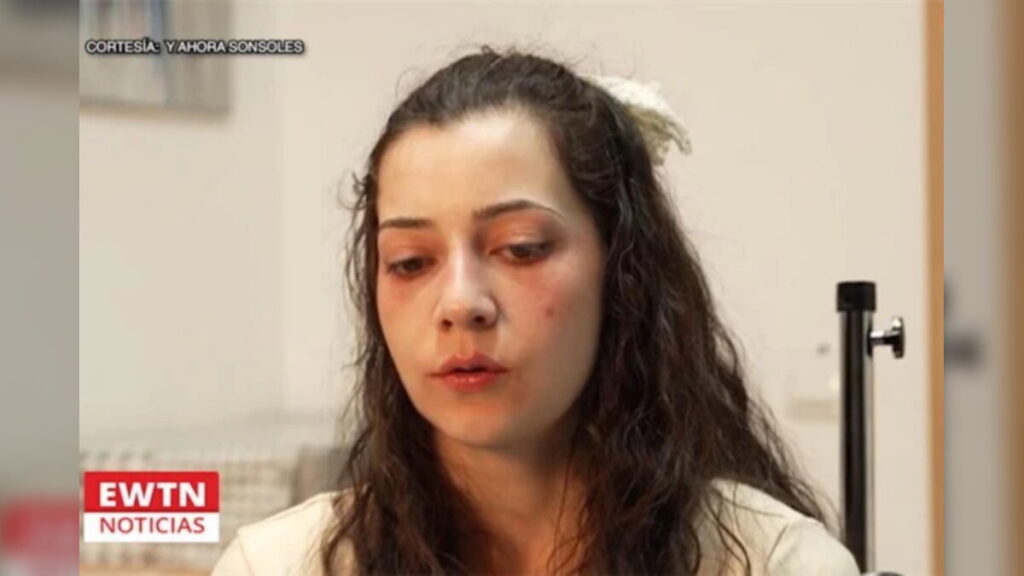
In an interview aired shortly before her death, Castillo described intense emotional and physical suffering.
She spoke about feeling isolated, lacking purpose, and struggling with daily الحياة activities.
She also mentioned chronic pain and difficulty sleeping, alongside a long history of mental health challenges.
A Life Marked by Trauma
Castillo’s background included significant hardship.
She spent part of her childhood under state care, where she was reportedly subjected to abuse.
Later in life, she was diagnosed with a serious mental health condition and officially recognized as having a disability.
In 2022, she survived a suicide attempt that left her with further physical complications and increased disability.



Disputed Medical and Legal Interpretations
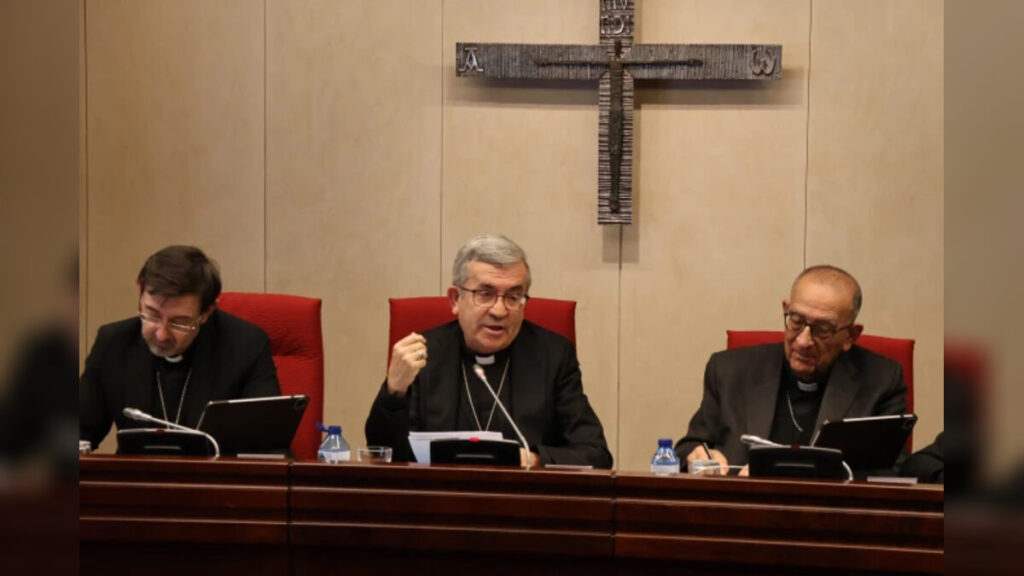
The case drew strong opposition from the legal group Abogados Cristianos, which supported her father.
They argued that her suffering was primarily psychiatric and should not qualify for euthanasia under existing legal standards.
The group also claimed that insufficient efforts were made to provide comprehensive mental health treatment before approving her request.
Court Decisions and Appeals
The legal battle moved through several levels of the judicial system.
Spain’s Supreme Court ultimately upheld her right to euthanasia, and a later appeal to the Constitutional Court was rejected.
An attempt to halt the procedure at the European level also failed just days before it was carried out.
Final Moments and Procedure
The euthanasia process reportedly lasted around 15 minutes and involved the administration of multiple drugs.
Castillo chose not to have her parents present during the procedure.
Impact and Consequences
The case has intensified debate over euthanasia laws, particularly regarding mental health.
Critics argue that existing safeguards may not adequately protect vulnerable individuals.
Supporters of the law maintain that personal autonomy must be respected.
The situation has also raised questions about whether sufficient mental health care options are available before such decisions are approved.
What’s Next?
The case is likely to influence ongoing discussions about potential reforms to euthanasia laws in Spain.
Advocacy groups may push for stricter requirements, especially around psychiatric evaluation and treatment.
Legal and medical communities are expected to review current protocols to address concerns raised by the case.
Summary
Noelia Castillo Ramos’s euthanasia has become a focal point in Spain’s debate over assisted dying.
Her case highlights tensions between individual choice and the responsibility to provide care for those with mental health struggles.
It also raises broader questions about how such laws should be applied in complex cases.
Bulleted Takeaways
- Noelia Castillo Ramos underwent euthanasia in Spain after a long legal battle.
- Her family attempted to stop the procedure and sought psychiatric treatment instead.
- Spanish courts and the European Court of Human Rights allowed the euthanasia to proceed.
- She had a history of trauma, mental illness, and a prior suicide attempt.
- Abogados Cristianos argued the case exposed flaws in the law.
- The debate over euthanasia and mental health safeguards is expected to continue.
