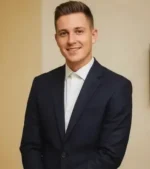
Leaders within the Catholic Church in Spain have spoken out following the euthanasia of 25-year-old Noelia Castillo Ramos, a case that has drawn national attention and deep debate.
Her death came after a prolonged legal battle, during which her family sought psychiatric treatment instead of assisted dying.
Vigils and Public Reaction
In the days leading up to the procedure, prayer gatherings were held outside the hospital where Castillo was scheduled to die.
Members of the Church and supporters expressed sorrow and concern, framing the case as a reflection of broader societal challenges.
Bishops Raise Ethical Concerns
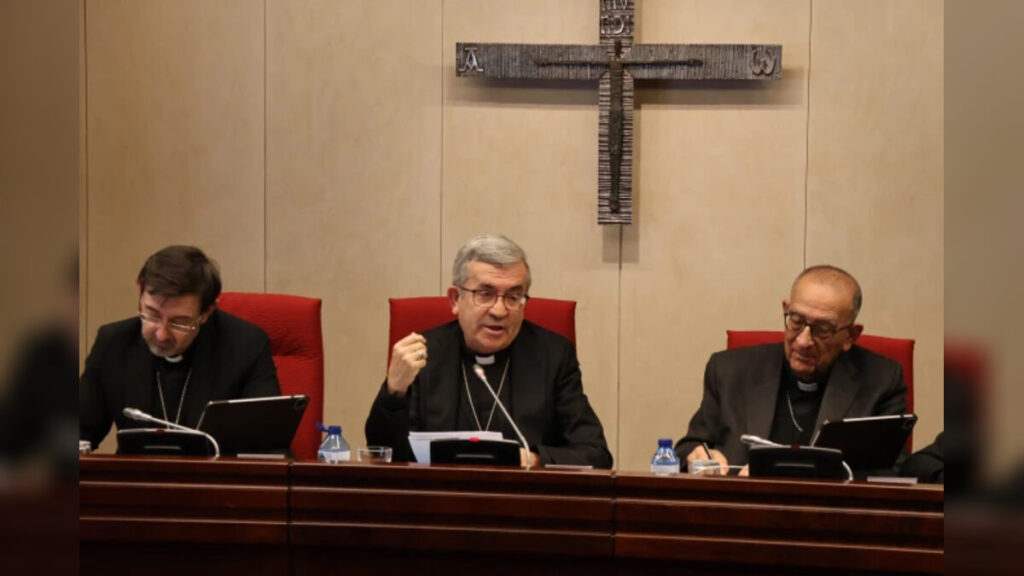
The Spanish Bishops’ Conference described the situation as deeply troubling.
They argued that Castillo’s case should not be viewed only as a matter of personal choice, but as one shaped by psychological suffering and social isolation.
Church leaders stressed that euthanasia represents a failure of care rather than a solution to human distress.
Focus on Mental Health and Support
According to the bishops, Castillo was not suffering from a terminal illness but from severe emotional and psychological pain.
They emphasized the need for treatment, support, and compassion instead of ending life.
Their statement called for stronger mental health services and community support systems, particularly for vulnerable individuals.
Religious Leaders Speak Out
Luis Argüello, president of the bishops’ conference, warned against normalizing assisted death as a response to suffering.



He argued that medical professionals should not be placed in roles that end life, regardless of legal frameworks.
Other clergy members echoed similar concerns, urging prayer and reflection while calling for greater societal responsibility.
Broader Debate Intensifies
The case has fueled a wider discussion across Spain about euthanasia laws and their application.
Critics argue that legal frameworks may not adequately account for complex mental health conditions.
Supporters of current laws maintain that individual autonomy must remain central in such decisions.
Impact and Consequences
The case has deepened divisions in public opinion over euthanasia and mental health care.
It has also highlighted potential gaps in psychological support systems for those experiencing severe distress.
Religious and ethical debates are likely to intensify, particularly حول how society responds to non-terminal suffering.
The situation may influence future legal and policy discussions surrounding assisted dying.
What’s Next?
Further public debate and political discussion are expected in the coming weeks.
Advocacy groups on both sides of the issue may push for changes to existing laws or safeguards.
There could also be increased focus on expanding mental health services and prevention strategies.
The case is likely to remain a reference point in ongoing ethical and legal conversations.
Summary
The euthanasia of Noelia Castillo Ramos has sparked strong reactions from the Catholic Church in Spain.
Church leaders argue that her situation called for care and treatment rather than assisted death.
The case has reignited national debate over euthanasia, mental health, and societal responsibility.
Bulleted Takeaways
- Noelia Castillo Ramos died through euthanasia after a legal battle with her family.
- The Spanish Bishops’ Conference strongly opposed the decision.
- Church leaders emphasized the need for mental health care instead of assisted death.
- Luis Argüello warned against normalizing euthanasia.
- The case has intensified debate over ethics and assisted dying laws in Spain.
- Calls are growing for stronger psychological support systems.
