
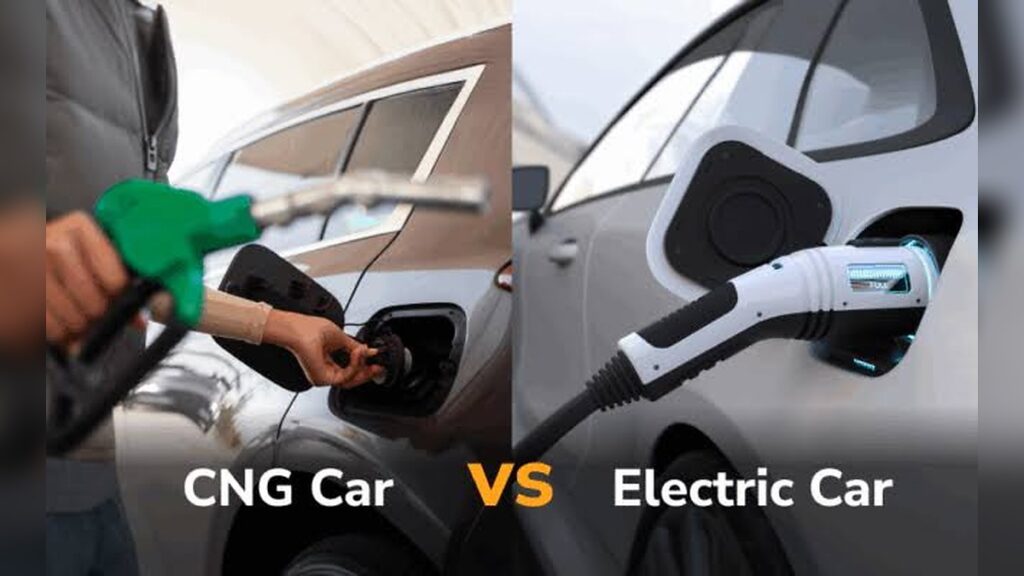
Nigeria’s drive toward cleaner transportation is encountering fresh concerns as industry experts warn that major safety and regulatory shortcomings could slow the country’s adoption of Compressed Natural Gas (CNG) and Electric Vehicles (EVs).
Stakeholders say stronger oversight, improved testing infrastructure and wider public education are essential if the Federal Government’s clean mobility ambitions are to succeed.
The concerns were highlighted during the third edition of the Nigeria Auto Industry Summit held in Lagos, where government agencies and industry leaders examined the future of cleaner transportation under the administration of President Bola Tinubu.
Standards Agency Warns Against Unsafe Products
The Standards Organisation of Nigeria (SON) cautioned that the growing popularity of CNG and electric vehicles could be undermined if uncertified equipment and poor installation practices continue to find their way into the market.
Speaking through the agency’s Deputy Director of Research and Statistics, Olalekan Omoniyi, the Director-General of SON, Dr. Ifeanyi Okeke, explained that the technologies themselves are not inherently dangerous.
Instead, he said the greatest risks emerge when approved standards are ignored or counterfeit components are used.
According to the agency, maintaining strict compliance with national and international safety standards is critical to ensuring that public confidence in alternative fuel vehicles is not damaged by preventable accidents.
Previous Explosion Highlights Regulatory Gaps
To illustrate the dangers of poor compliance, SON referenced a CNG cylinder explosion involving an Audi 80 at a filling station along the Benin-Auchi Expressway in Edo State.
Investigations into the incident reportedly showed that the explosion resulted from the installation of an uncertified gas cylinder and the failure to comply with the Nigerian Gas Vehicle Installation Standard.
The agency said the case demonstrates how inadequate regulation and the use of substandard equipment can create serious safety risks.




Informal Conversion Centres Raise Fresh Concerns
Officials also expressed concern over the increasing number of informal vehicle conversion workshops operating across the country.
According to SON, the rapid influx of grey-market CNG cylinders and conversion kits has expanded faster than regulatory inspections and enforcement efforts.
The agency warned that this trend could expose motorists to unnecessary dangers unless stricter monitoring is introduced.
In addition, officials noted that Nigeria still needs stronger technical standards for electric vehicles, particularly in areas such as battery safety, charging compatibility, battery recycling and second-life battery applications.
Investment Needed to Support Emerging Technologies
Beyond regulation, stakeholders stressed that Nigeria must invest in modern laboratories and technical expertise capable of testing high-pressure gas cylinders and evaluating high-voltage EV batteries.
SON maintained that while the country’s clean mobility programme remains a positive initiative, its long-term success depends on eliminating fake products and ensuring that only qualified technicians handle vehicle conversions and installations.
The agency urged Nigerians to have confidence in certified CNG and EV systems, insisting that approved products remain safe and reliable when installed according to recognised standards.
FRSC Developing New Safety Framework
The Federal Road Safety Corps (FRSC) also announced that it is preparing comprehensive Standard Operating Procedures to regulate the use of electric and CNG-powered vehicles across Nigeria.
Corps Marshal Shehu Mohammed said road safety must remain a central consideration as cleaner transportation technologies become more common.
He explained that the agency is updating its regulatory approach to keep pace with advances in the automotive industry.
According to him, the FRSC is working closely with government institutions and private sector stakeholders to establish safety regulations that will not only reduce emissions but also improve vehicle safety standards and strengthen public trust.
Industry Leaders Urge Faster Transition
Speaking at the summit, Chairman of the Nigeria Auto Journalists Association, Theodore Opara, described the event as an important opportunity to shape the future of Nigeria’s automotive sector.
He noted that many countries are accelerating the adoption of cleaner transportation to reduce carbon emissions, improve energy efficiency and build more sustainable economies.
Opara warned that Nigeria risks falling behind if it does not move more quickly to embrace these technologies.
He added that the country’s transition to cleaner mobility should be viewed as both an environmental necessity and an economic opportunity capable of positioning Nigeria more competitively within the rapidly evolving global automotive industry.

