
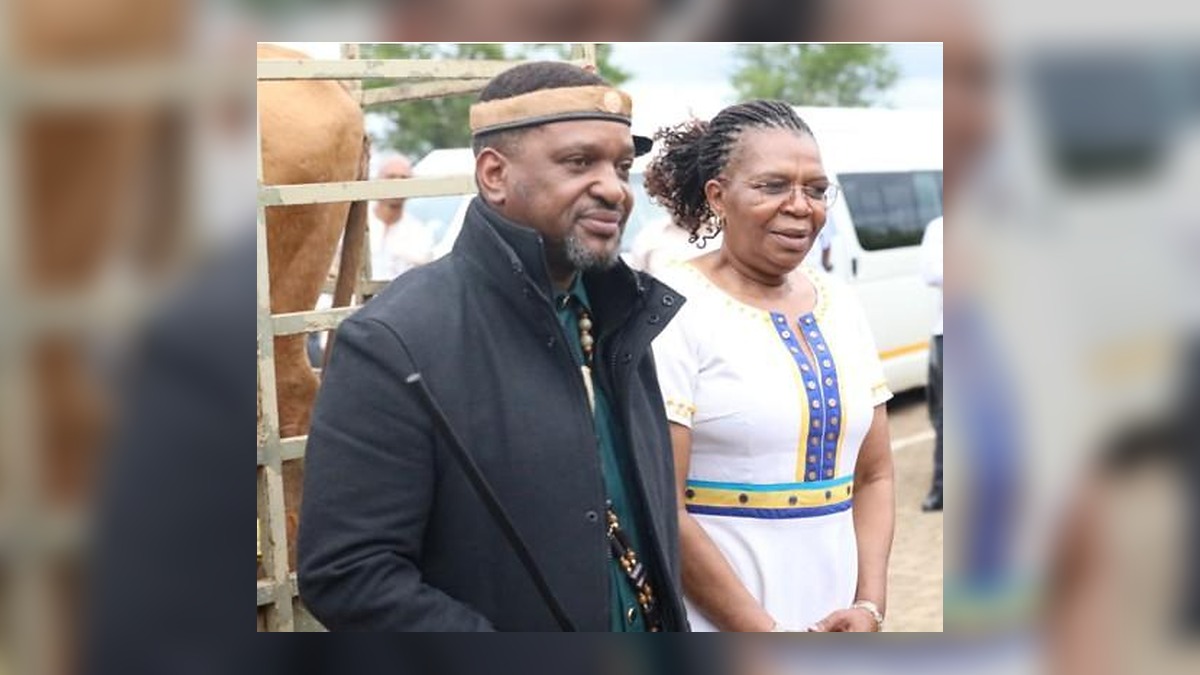
Social Development Minister Dina Pule has met with King Misuzulu kaZwelithini at Mashobeni Royal Palace in Pongola, KwaZulu-Natal, to discuss the government’s national study on societal perceptions of virginity inspection in South Africa.
The engagement focused on cooperation between government and traditional leadership in examining the cultural, social and ethical implications of the practice while protecting children’s rights, dignity, safety and well-being.
The Department of Social Development commissioned the study to establish a comprehensive understanding of how virginity inspection is perceived and practised across the country.
Study to Cover All Nine Provinces
The research will examine the experiences and views of traditional leaders, parents, caregivers, young people and other relevant stakeholders.
It will also assess whether the existing regulatory framework provides adequate protection for children.
The study will be conducted across all nine provinces and will include 1,000 quantitative face-to-face interviews, 10 focus group discussions with people who have undergone virginity testing, and up to 33 interviews with key informants.
The findings are expected to inform an assessment of existing regulations and guide possible policy recommendations.
Minister Says Research Is Not Intended to Undermine African Traditions
During the meeting, Pule said the department’s approach was not intended to undermine African culture or traditional practices.
She said the government wanted to encourage constructive dialogue and ensure that decisions were based on credible research and meaningful consultation.




Pule also highlighted the role of traditional leaders in preserving cultural heritage, guiding communities and passing values from one generation to the next.
She said government and traditional leadership needed to work together to respect cultural considerations while protecting children’s rights and best interests.
King Misuzulu Supports Partnership and Calls for Wider Engagement
King Misuzulu welcomed the proposed partnership with the department and expressed support for initiatives aimed at protecting children while preserving cultural heritage and traditions.
The King also stressed that discussions about cultural practices should include boys, particularly in relation to male circumcision, which is practised in many parts of South Africa.
He urged the department to work closely with the Department of Cooperative Governance and Traditional Affairs (CoGTA) to engage other traditional leaders and strengthen cooperation around the research initiative.
King Raises Concerns About Children’s and Older People’s Homes
The meeting also addressed the needs of vulnerable groups, including children and older people living in care facilities.
King Misuzulu called for support for old-age homes and children’s homes, indicating that the department would be invited to visit the facilities to assess their needs and identify possible areas of assistance.
The discussion formed part of broader efforts to strengthen cooperation between government and traditional leadership in addressing social challenges and supporting vulnerable communities.
Department Calls for Public Participation in Research
The Department of Social Development reaffirmed its commitment to an evidence-based and consultative research process.
It said the findings would help assess existing regulations and inform potential policy recommendations, taking into account cultural perspectives as well as constitutional and legislative obligations to protect children.
Traditional leaders, communities and other relevant stakeholders have been encouraged to participate in the study, share their experiences and contribute their views on virginity inspection in South Africa.
The department said the engagement with King Misuzulu reinforced the importance of partnerships between government and traditional leadership in protecting children’s rights while preserving cultural values.
Source: SAnews.gov.za
