
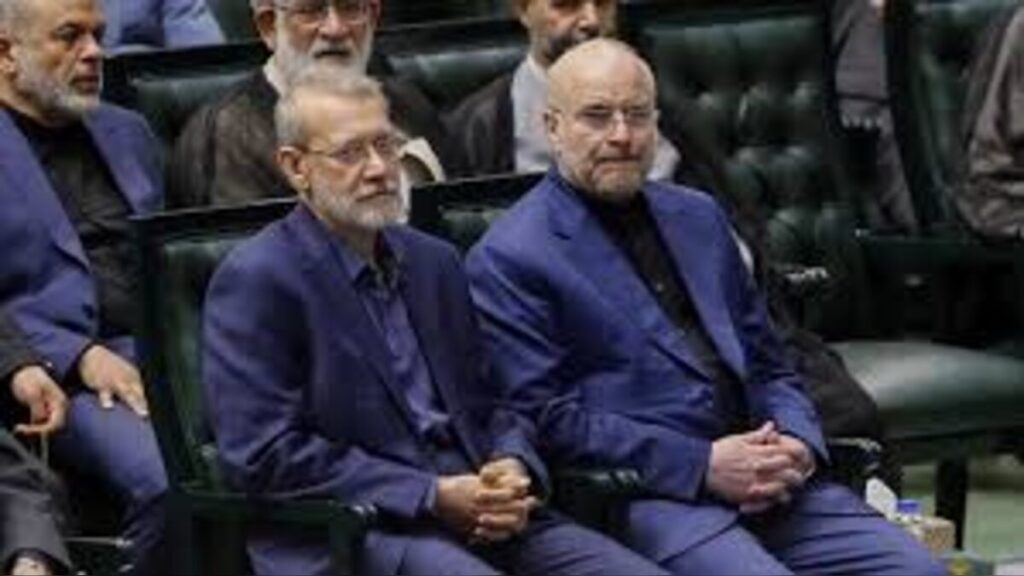
Veteran reporter John Simpson recently shared his encounter with Ali Larijani, describing him as someone who could be “the kind of person you might want to negotiate a peace deal with.”
The comment has sparked discussion about the complexities of diplomacy in the Middle East and whether targeting influential figures like Larijani is strategically wise.
Simpson’s observation came during a candid discussion about international tensions.
His tone suggested admiration for Larijani’s negotiating skills and temperament, implying that his involvement in dialogue could potentially ease conflicts rather than escalate them.
Larijani’s Reputation and Influence
Ali Larijani has been a significant figure in Iranian politics for decades, holding roles such as Speaker of the Parliament and Secretary of the Supreme National Security Council.Known for his intellectual approach and careful diplomacy, he has often been involved in nuclear negotiations with Western countries, earning him recognition as a skilled negotiator.
His ability to engage in constructive dialogue has led some analysts to suggest that eliminating such figures could be counterproductive, depriving the international community of channels for negotiation and potential de-escalation.
The Question of Targeted Strikes
Simpson’s comment raises a provocative question: is it strategically sound for nations like Israel to take out influential figures such as Larijani While some argue that targeting key political players could disrupt adversarial strategies, others warn it could backfire, hardening positions and closing doors to diplomacy.
Larijani himself responded with humor and subtle deflection, saying, “Not so fast…,” underscoring the unpredictability and nuance inherent in international relations.
His lighthearted response also reflects the layered nature of high-level political interactions, where personalities, strategy, and optics all play a role.



Impact and Consequences
Removing or attempting to neutralize senior figures like Larijani could have serious consequences:
-
Diplomatic setbacks: Losing a negotiator of Larijani’s caliber may reduce opportunities for peace talks.
-
Regional instability: Targeted strikes could escalate tensions in an already volatile region.
-
Reputation risks: International perception could shift, casting intervening nations as overly aggressive.
-
Unintended power shifts: Eliminating senior figures may empower hardliners, reducing flexibility in policy.
What’s Next?
Currently, this discussion remains largely theoretical, but it reflects the broader strategic debates surrounding Iran, Israel, and diplomatic engagement.
Analysts will continue to weigh the risks and benefits of targeting influential political figures versus pursuing dialogue.
For observers, the episode highlights the importance of understanding personalities in diplomacy and the potential costs of ignoring nuanced negotiation channels.
Summary
John Simpson’s encounter with Ali Larijani sheds light on a rarely discussed angle of international relations: the human element in diplomacy.
While some may view Larijani as a potential target, his skills as a negotiator could prove invaluable in de-escalating tensions.
Humor and subtlety, as demonstrated by Larijani’s reaction, remain key tools in navigating the complex landscape of Middle Eastern politics.
Bulleted Takeaways
-
Reporter John Simpson describes Ali Larijani as a negotiator suitable for peace deals.
-
Larijani has held key political roles in Iran, including Speaker of Parliament and security council positions.
-
The discussion raises questions about whether Israel or other nations should target influential Iranian figures.
-
Larijani responded humorously with “Not so fast…😂,” emphasizing nuance in international politics.
-
Eliminating senior diplomats may reduce opportunities for dialogue, risk regional escalation, and empower hardliners.

