
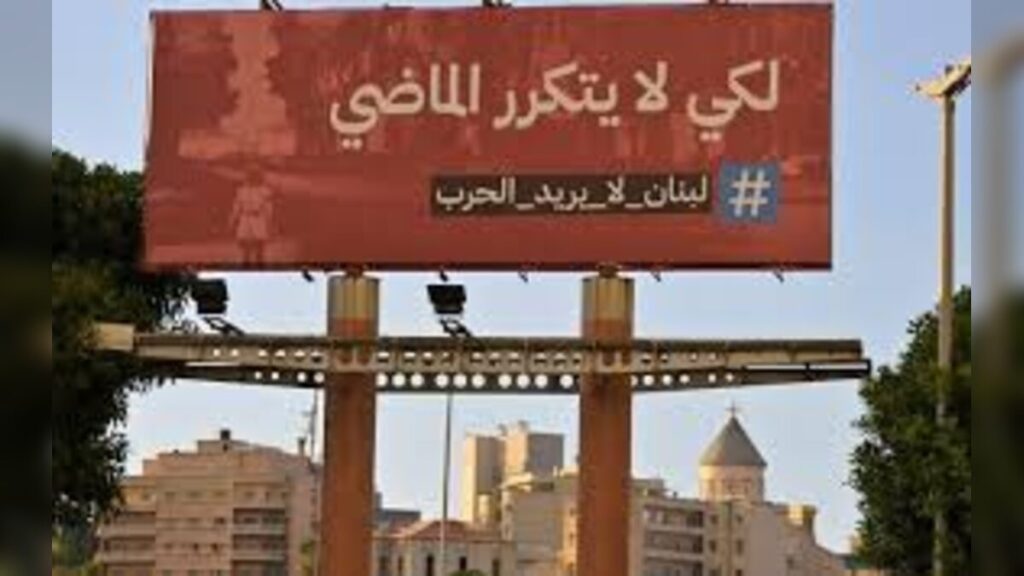
Beirut’s streets have become a canvas for political expression, as new billboards openly criticize Hezbollah.
Messages like “For whom? Lebanon does not want war” are drawing attention from citizens and international observers alike.
The public display highlights growing frustration with the ongoing influence of Hezbollah in Lebanon and signals a pushback against escalating regional tensions.
Economic Pressures Intensify Across the Region
The Middle East isn’t just facing political unease—it’s seeing financial strain hit everyday life.
For instance, Delta Air Lines reported that jet fuel costs have doubled in just three weeks, adding to broader inflationary pressures.
Meanwhile, mortgage rates in some regions have crossed 6% again, and basic commodities like fresh produce, meat, and dairy are climbing steadily.
Households are feeling the pinch, with everyday items suddenly much more expensive than they were a month ago.
Strait of Hormuz Remains a Hotspot
Adding to the tension, an Iranian official warned that the Strait of Hormuz is unlikely to be safe anytime soon.
This chokepoint is critical for global oil shipments, and any instability here could further exacerbate fuel costs worldwide.
Analysts say that both geopolitical tensions and logistical challenges in the Strait are now directly affecting markets far beyond the Middle East, including airlines, shipping companies, and consumer goods suppliers.
Regional Instability and Everyday Life
The combination of political unrest and rising costs is creating a sense of anxiety across the region.
Lebanese citizens, for example, are not only witnessing political confrontations on billboards but are also seeing their day-to-day expenses rise sharply.




People feel the effects in their kitchens and bank accounts: higher food prices, surging fuel costs, and the looming threat of conflict all contribute to a tense atmosphere.
Impact and Consequences
The immediate impact is twofold.
Politically, public sentiment against groups like Hezbollah could increase pressure on Lebanese authorities to act or moderate.
Economically, soaring commodity prices and fuel costs strain households and businesses alike, potentially slowing growth or sparking unrest.
Globally, instability in the Strait of Hormuz threatens oil supply chains, which could push energy prices even higher and affect markets from Europe to Asia.
What’s Next?
Lebanon and the broader Middle East appear set for continued turbulence.
Policymakers and regional actors will likely weigh diplomacy against further escalation, but the economic ripple effects are already unavoidable.
Consumers may face months of high prices, and businesses could be forced to adapt to rising operational costs.
International observers will be watching closely, as even minor flare-ups in this region can have outsized global consequences.
Summary
Billboards in Beirut criticizing Hezbollah reflect rising political dissatisfaction, while rising jet fuel costs, mortgage rates, and commodity prices underscore the economic pressures hitting the region.
With warnings about the Strait of Hormuz, tensions show no sign of easing.
Citizens and markets alike are already feeling the strain, making this a story with both local and global significance.
Bulleted Takeaways
-
Anti-Hezbollah billboards appear in Beirut signaling public opposition to war
-
Delta Air Lines reports jet fuel costs doubled in just three weeks
-
Mortgage rates have crossed 6% again, while food prices continue to rise
-
Iranian official warns Strait of Hormuz is unlikely to be safe soon
-
Political unrest and economic pressures are directly affecting households and businesses in Lebanon and beyond
-
Global markets remain vulnerable to further disruptions in oil supply due to regional instability

