
Nigeria’s confirmed case of Bundibugyo Ebola virus disease is genetically closely related to a case identified in Kenya, although investigators have not established a direct epidemiological link between the two infections.
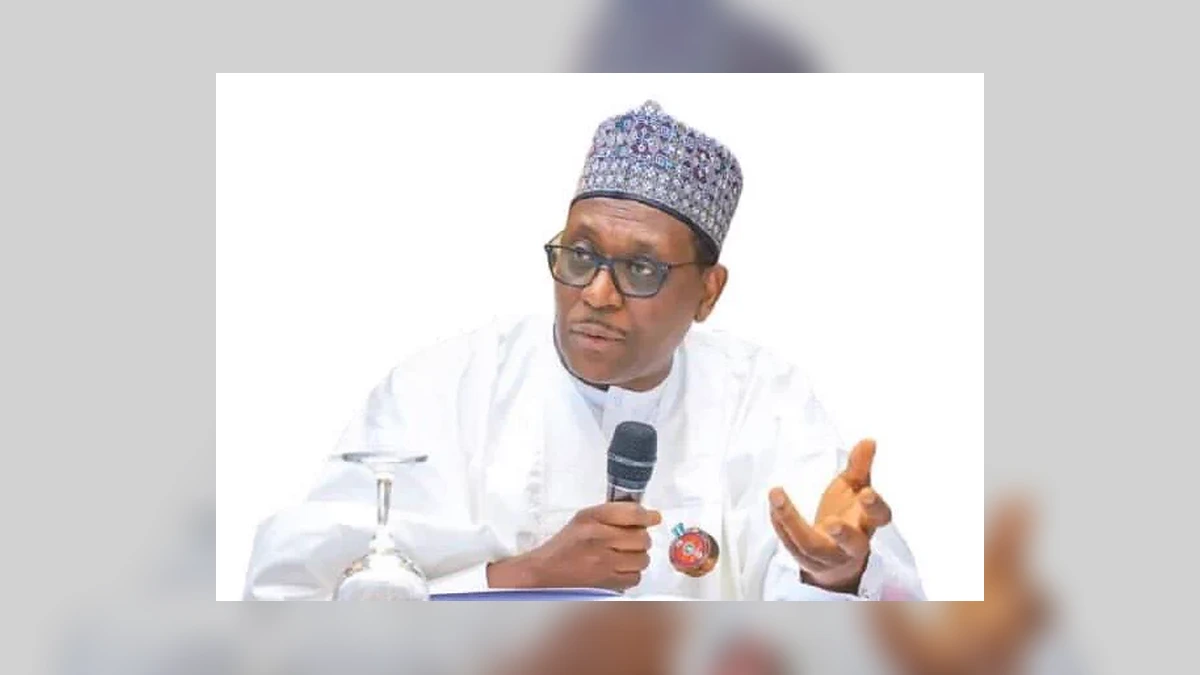
The Coordinating Minister of Health and Social Welfare, Professor Muhammad Pate, disclosed the findings on Friday night while briefing Nigerians on the government’s response to the outbreak alongside the Director-General of the Nigeria Centre for Disease Control and Prevention (NCDC), Dr Jide Idris.
Pate said further investigations were necessary to determine how the virus reached Nigeria and whether the genetic similarities could help establish its transmission route.
“The case appears to be closely related to the case identified in the index case in Kenya,” the minister said.
He stressed that the genomic findings did not demonstrate a direct connection between Nigeria’s patient and Kenya’s index case.
“There is no evidence of travel by that index case in Kenya that links it to Nigeria, but the viruses appear to be related,” Pate added.
Nigeria Reports One Confirmed Case as Contact Tracing Continues
The minister said Nigeria still had only one confirmed case, with authorities continuing to trace contacts, conduct laboratory tests and implement public health measures to prevent further transmission.
“We still have only one confirmed case. The contacts have been traced and quarantined, and we are conducting additional tests. Some of the results are negative, while others are pending,” Pate said.
The genomic analysis was conducted using laboratory infrastructure at the NCDC and facilities associated with Professor Christian Happi at Redeemer’s University in Ede, Osun State.
Pate said the findings would inform further investigations but cautioned that the available evidence was insufficient to determine precisely how the infection entered the country.
He also pledged to keep Nigerians informed as more information became available.
Woman’s Infection Confirmed After Travel From Uganda
The World Health Organisation (WHO) reported on October 20 that Nigeria had confirmed one imported case of Bundibugyo Ebola virus disease in the Federal Capital Territory following the patient’s recent travel from Uganda.
The agency also reported cases in Kenya associated with an imported infection.
Nigeria’s index patient, a woman, reportedly developed symptoms on October 7 and sought treatment at a private health facility in Abuja on October 11. Laboratory testing confirmed the infection on October 20.




The Federal Ministry of Health and Social Welfare initially reported that 44 close contacts had been identified for monitoring as health authorities worked to establish the likely source of the infection.
Investigators have been examining the patient’s travel and exposure history as part of efforts to reconstruct how the virus may have been transmitted.
NCDC Strengthens Surveillance and Hospital Preparedness
Idris said the NCDC was intensifying surveillance, laboratory testing, case management and public risk communication through its incident management system.
The agency is also reinforcing infection prevention and control procedures in healthcare facilities and preparing medical personnel to recognise and manage suspected cases.
“We are also enhancing infection prevention and control protocols for health workers because that is very important,” Idris said.
He added that healthcare workers would receive training on protecting themselves when assessing patients and responding appropriately to suspected infections.
“All hospitals should be sensitised, and health workers should be aware of the appropriate procedures. When there are suspected cases, they should notify public health authorities,” Idris said.
The NCDC chief said the agency would continue working with public health professionals nationwide to improve preparedness and reduce the risk of further transmission.
NCDC Advises Nigerians on Ebola Transmission and Hygiene
Idris urged Nigerians to maintain basic hygiene practices, including regular handwashing, and to obtain information from recognised public health authorities.
He explained that Ebola is not transmitted through the airborne route but spreads through close contact with infected bodily fluids.
“Ebola is a disease that is so far not transmitted through the airborne route. It is transmitted through close contact with body fluids,” he said.
The NCDC director-general also warned against spreading unverified information on social media. He advised the public to rely on updates from the NCDC, the Federal Ministry of Health and Social Welfare, the WHO and the Africa Centres for Disease Control and Prevention.
Government Reassures Public Over Outbreak Response
Pate said Nigeria had the public health infrastructure and expertise required to respond to the outbreak and urged residents to remain vigilant while cooperating with health authorities.
“We are reassuring Nigerians that we will continue to work diligently to ensure that we contain this virus as much as possible, and that we avoid a situation where it spills over into communities,” he said.
The government has called on public and private healthcare facilities to remain alert, promptly isolate suspected cases and immediately notify public health authorities of possible infections.
The WHO has also advised countries to maintain disease surveillance, investigate suspected cases quickly, strengthen laboratory testing and ensure that healthcare facilities have adequate infection prevention and control measures.
Its recommendations include heightened monitoring at points of entry and continued preparedness as the regional outbreak develops.
Symptoms and Prevention Measures for Ebola
Ebola is primarily transmitted through direct contact with the blood or other bodily fluids of an infected person who is symptomatic, or through contaminated materials.
Symptoms can include fever, fatigue, muscle pain, headache, sore throat, vomiting and diarrhoea. Severe illness may also involve unexplained bleeding.
Health authorities have emphasised the importance of early identification, isolation and prompt reporting of suspected infections to limit transmission.
Nigeria previously contained an Ebola outbreak in 2014 after an infected traveller introduced the virus into Lagos. The response relied on rapid case identification, contact tracing, isolation and coordinated public health action.
The Federal Government has urged healthcare providers to follow established infection prevention procedures and report suspected cases immediately as investigations into the current infection continue.
