
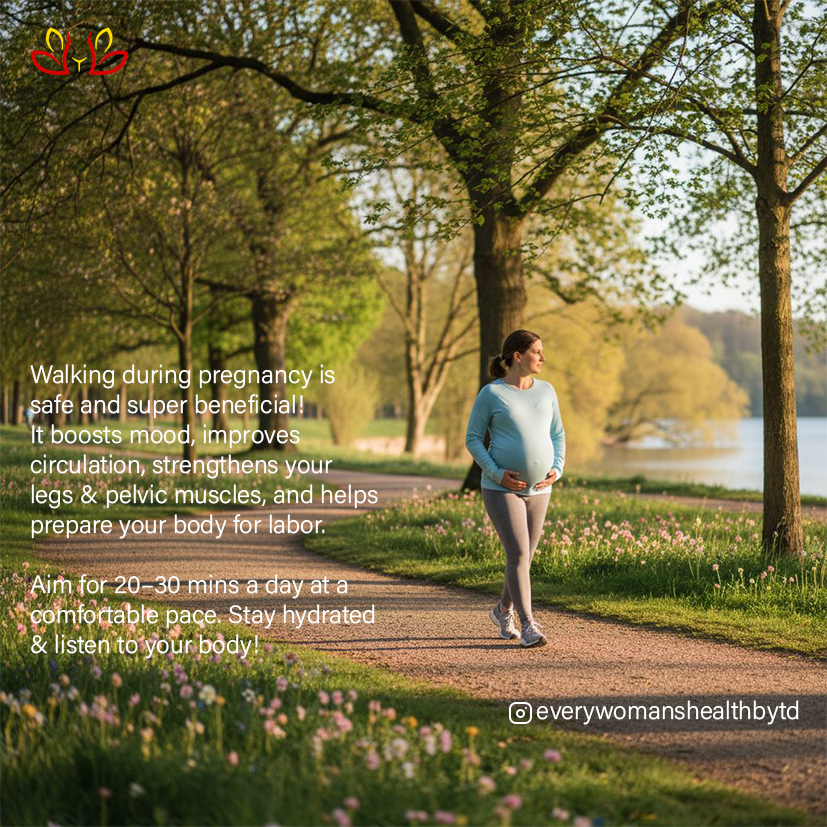
Maintaining physical activity during pregnancy is no longer just a suggestion; it is a clinical recommendation for maternal and fetal well-being.
Among the various forms of prenatal fitness, walking stands out as the most accessible, low-impact, and effective exercise for expectant mothers.
From improving cardiovascular health to preparing the pelvic floor for labor, a daily walk can significantly transform the pregnancy journey.
The Physical and Mental Benefits
Walking engages the entire body without putting undue stress on the joints or the heart. Here is why medical experts prioritize it:
-
Enhanced Circulation: Walking boosts blood flow, which helps reduce the swelling (edema) often found in the legs and ankles during the second and third trimesters.
-
Weight & Gestational Management: It plays a vital role in controlling healthy weight gain and reducing the risk of gestational diabetes.
-
Pain Reduction: Regular movement strengthens the muscles that support the spine, effectively alleviating chronic pregnancy-related back pain.
-
Labor Readiness: A fit body often experiences shorter labor and faster postpartum recovery. Walking helps tone the muscles needed for the birthing process.
-
Psychological Well-being: The release of endorphins during a walk helps combat prenatal anxiety and improves sleep patterns.
Suggested Readings (News continues below)




Best Practices for a Safe Routine
To maximize the benefits while ensuring the safety of both mother and baby, follow these professional guidelines:
-
Gear Up: Wear supportive, well-fitted athletic shoes to compensate for the shift in your center of gravity.
-
Hydration is Key: Drink water before, during, and after your walk to maintain amniotic fluid levels and prevent preterm contractions.
-
Temperature Control: Avoid walking in extreme heat. Overheating can be dangerous for the fetus; choose early mornings or climate-controlled indoor tracks.
-
The “Talk Test”: You should be able to carry on a conversation while walking. If you are too breathless to speak, your intensity is too high.
When to Pause
While walking is generally safe, your body’s signals are paramount. Stop immediately and consult your healthcare provider if you experience:
-
Dizziness or feeling faint.
-
Sharp pelvic or abdominal pain.
-
Vaginal bleeding or fluid leakage.
-
Noticeable shortness of breath before exertion.
For women with high-risk pregnancies, such as those with preeclampsia or cervical insufficiency, always obtain a personalized exercise clearance from your doctor before starting.
Summary
Walking is a gold-standard prenatal exercise that offers comprehensive benefits, including improved circulation, weight control, and labor preparation.
By starting slowly, staying hydrated, and wearing supportive footwear, most expectant mothers can safely enjoy the physical and mental rewards of a daily stroll.
A healthy walk today is a foundational step toward a healthier pregnancy and a smoother recovery tomorrow.
