
Tensions in the Middle East don’t need much to flare up—and this time, it was a headline that nearly did the job.
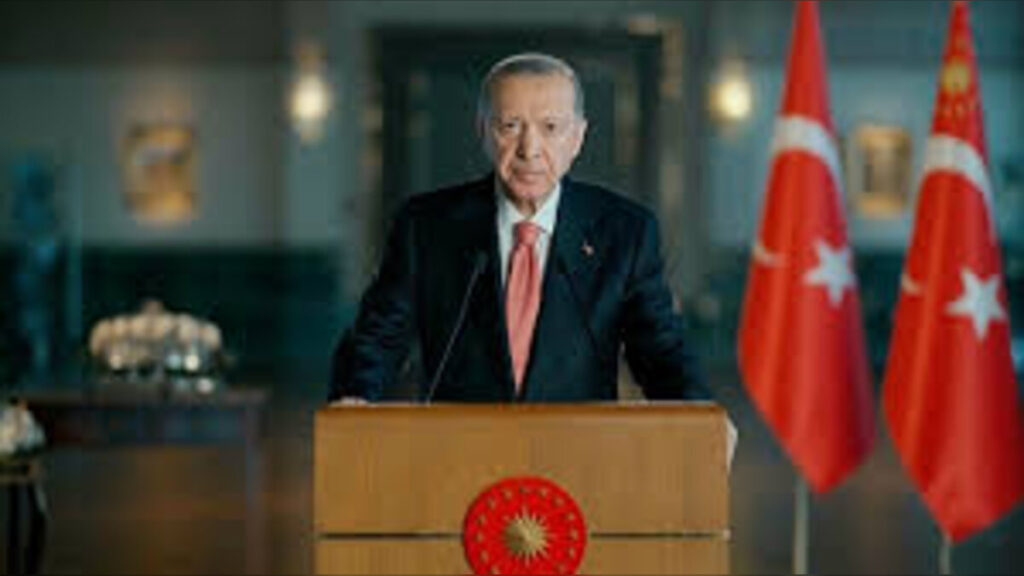
Reports suggested that Recep Tayyip Erdogan had threatened to invade Israel, a claim that quickly spread and raised eyebrows across diplomatic circles.
But there was a catch. The quote at the center of the storm wasn’t new.
It reportedly dated back to 2024 and referred to Gaza, not the current situation involving Lebanon.
That detail, small on the surface, made all the difference.
Ankara Moves Fast to Contain the Narrative
Turkey didn’t waste time responding. A government body tasked with countering misinformation stepped in to reject the claim outright, calling it misleading and destabilizing.
The speed of that reaction says a lot. Governments don’t usually jump on every media report, but this one had the potential to spiral.
A perceived military threat—real or not—can trigger reactions far beyond headlines.
In this case, Ankara seemed less concerned about correcting a technical error and more focused on preventing a dangerous misunderstanding.
Words Versus Actions in a Volatile Region
There’s a pattern observers have come to recognize.
Erdogan’s rhetoric toward Israel has often been fiery—comparing Benjamin Netanyahu to extreme historical figures and accusing Israel of serious crimes.
Yet despite the strong language, Turkey has consistently stopped short of direct military confrontation.
This distinction matters. Talking tough plays well politically, both domestically and across parts of the Muslim world.
Acting on those words, however, would carry enormous geopolitical risks.
Why This Misinterpretation Was Risky
The real danger wasn’t what was said—it was how it could be understood.
If Israel or its allies interpreted the report as a genuine threat, it could have triggered a chain reaction.
In high-stakes regions like the Middle East, perception can be as powerful as reality.
A misread statement can lead to military alerts, diplomatic fallout, or even escalation.




That’s why Turkey stepped in quickly. It wasn’t just about reputation; it was about avoiding a situation that could spiral out of control.
The War of Words Intensifies Anyway
Even as Turkey tried to cool things down, the broader exchange of rhetoric didn’t exactly calm.
Israeli officials fired back strongly following unrelated legal and political tensions, while Turkish officials doubled down with equally sharp language.
Foreign Minister Hakan Fidan added fuel to the fire by suggesting Israel thrives on having enemies—an accusation that only deepened the divide.
Meanwhile, Turkey’s Foreign Ministry didn’t hold back either, reinforcing its criticism of Netanyahu and Israel’s policies.
A Familiar Diplomatic Balancing Act
Turkey has been walking a careful line for years. On one side, it positions itself as a vocal critic of Israel, often taking strong public stances.
On the other, it avoids crossing into direct conflict.
This balancing act isn’t new. After the Mavi Marmara incident, Erdogan hinted at stronger action but ultimately stopped short of military escalation.
The strategy is clear: strong enough language to resonate politically, but enough restraint to avoid real-world consequences.
Timing Made Everything More Sensitive
What made this episode particularly delicate was the timing.
The report surfaced amid rising regional tensions and just as Turkey was attempting to position itself as a mediator in broader Middle East conflicts, including those involving Iran.
At the same time, legal and political clashes—like Turkish actions targeting Israeli officials—were already straining relations further.
In that context, even an outdated quote could become explosive.
Impact and Consequences
The immediate impact was a surge in speculation and media attention.
Questions like “Could Turkey actually invade Israel?” began circulating, shaping public perception regardless of the facts.
Diplomatically, the incident highlighted how fragile communication can be in conflict-prone regions.
A single misinterpreted statement nearly added fuel to an already tense environment.
It also underscored Turkey’s dual strategy—using strong rhetoric while carefully avoiding actions that could trigger direct confrontation.
What’s Next?
Expect more of the same—sharp rhetoric paired with calculated restraint.
Turkey is unlikely to soften its language toward Israel anytime soon, especially given domestic and regional political dynamics.
However, crossing from words into military action remains highly unlikely.
Ankara appears committed to maintaining its role as a regional player without stepping into outright conflict.
The bigger question is whether future misinterpretations can be avoided in such a charged atmosphere.
Summary
A misreported quote attributed to President Erdogan briefly stirred fears of a potential military escalation between Turkey and Israel.
While the claim was quickly denied, the incident revealed just how easily rhetoric can be mistaken for intent.
Turkey continues to balance strong criticism of Israel with a clear reluctance to engage militarily, even as tensions and verbal clashes persist.
Bulleted Takeaways
- A report claimed Erdogan threatened to invade Israel, but it relied on an old quote
- Turkey quickly denied the claim to prevent misinterpretation
- Erdogan is known for strong rhetoric but avoids direct military action
- Misunderstandings in the region can quickly escalate tensions
- Verbal clashes between Turkey and Israel remain intense
- Historical patterns show Turkey stops short of military confrontation
- Timing and regional tensions made the situation more sensitive
- The episode highlights the power of perception in global politics

