
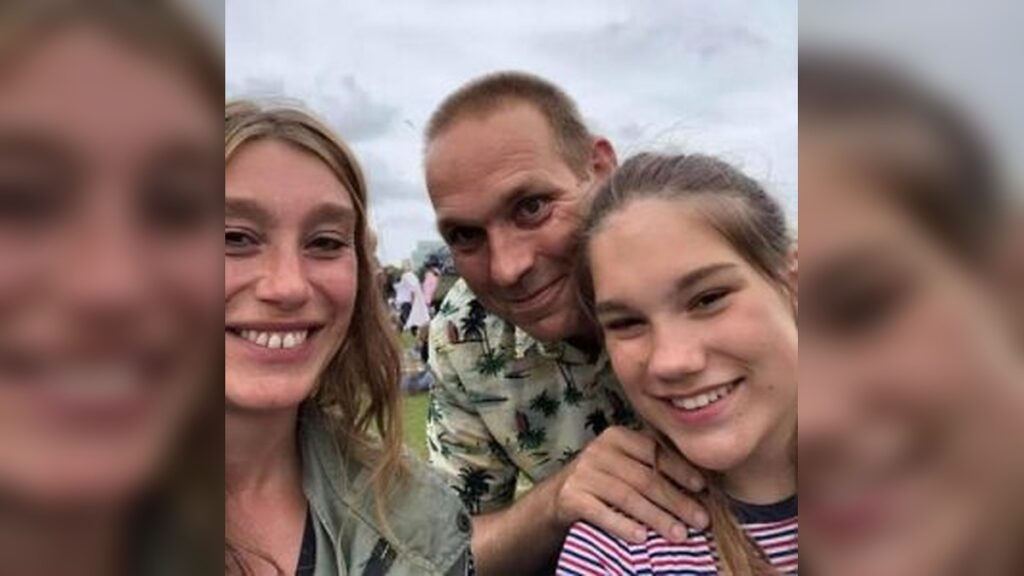
The parents of a Dutch teenager who spent years battling severe psychiatric illness have spoken publicly about her death, hoping to encourage broader discussion about mental health, end-of-life care and the challenges surrounding euthanasia requests for people with psychiatric conditions.
Omar Dekker and Cissy Dekker said their daughter, Iris, died on March 1, just days before her 20th birthday, after years of treatment for severe depression and functional neurological disorder (FND). The family said she had been on a waiting list for a euthanasia assessment in the Netherlands for nearly four years.
Family Recalls Years of Mental Health Challenges
According to her parents, Iris was an active and inquisitive child before developing debilitating mental health problems at the age of 13.
They said she experienced severe depression alongside functional neurological disorder, a condition that significantly affected her daily life and mobility.
Over the following years, she underwent multiple treatments, including psychotherapy, medications and other specialist interventions, while requiring extensive care from her parents.
Despite repeated efforts by healthcare professionals and her family, they said her condition did not improve.
Euthanasia Request Followed Extensive Treatment
The family said Iris first raised the possibility of euthanasia after experiencing prolonged psychological suffering.
Under Dutch law, people aged 16 and older may request euthanasia, although strict legal safeguards apply.
Requests involving psychiatric illness require extensive medical evaluation, multiple professional opinions and confirmation that the suffering is considered unbearable with no reasonable prospect of improvement.




Her parents said she applied through the Dutch euthanasia system at age 16 and remained on the waiting list while continuing treatment.
Parents Describe Hope Throughout Assessment Process
Omar and Cissy said they initially viewed the lengthy assessment process as an opportunity for additional therapies to succeed.
During the waiting period, Iris continued receiving specialist care, including evidence-based treatments that her parents hoped would ease her symptoms.
However, they said no treatment produced lasting improvement, and her desire to end her suffering remained unchanged.
Final Months Focused on Family and Reflection
The Dekkers said Iris spent her final weeks surrounded by family and close friends, taking time to say goodbye and reflect on her life.
They described those days as emotionally difficult but also filled with meaningful conversations and moments together, saying their daughter appeared calmer after making peace with her decision.
Her parents said they remained by her side throughout her final days.
Parents Advocate for Greater Understanding
Since their daughter’s death, the Dekkers have spoken publicly about their experience, arguing that severe psychiatric illnesses should be understood with the same seriousness as life-limiting physical conditions.
Omar, who works in healthcare education, said public discussion about physician-assisted dying often distinguishes sharply between physical and psychiatric illness, despite both having the potential to cause profound and enduring suffering.
He said he hopes sharing Iris’s story will encourage informed and compassionate conversations about mental healthcare, end-of-life decision-making and support for families facing similar circumstances.
Call for Administrative Changes
The family also urged changes to administrative procedures within the Dutch euthanasia system after learning that authorities responsible for the waiting list were not automatically informed of a patient’s death.
Omar said he personally contacted the euthanasia service to notify officials and suggested that better communication between healthcare institutions could spare grieving families from receiving distressing follow-up calls after a loved one’s death.
Remembering Iris
Iris was buried on what would have been her 20th birthday after helping plan elements of her own funeral, according to her parents.
They said her final message encouraged those she loved to be kind, honest and caring toward one another—values they hope will remain part of her legacy as they continue adjusting to life without their only child.

