
The cryptocurrency sector saw significant developments on Friday as digital banking platform Revolut announced plans to remove support for Tether’s USDT stablecoin, a major U.S. law enforcement organization softened its opposition to the proposed CLARITY Act, and President Donald Trump defended substantial earnings from cryptocurrency-related ventures.
The developments come as lawmakers continue debating digital asset regulation while financial institutions and technology firms adapt to evolving compliance requirements.
Revolut Announces Timeline to Remove USDT Support
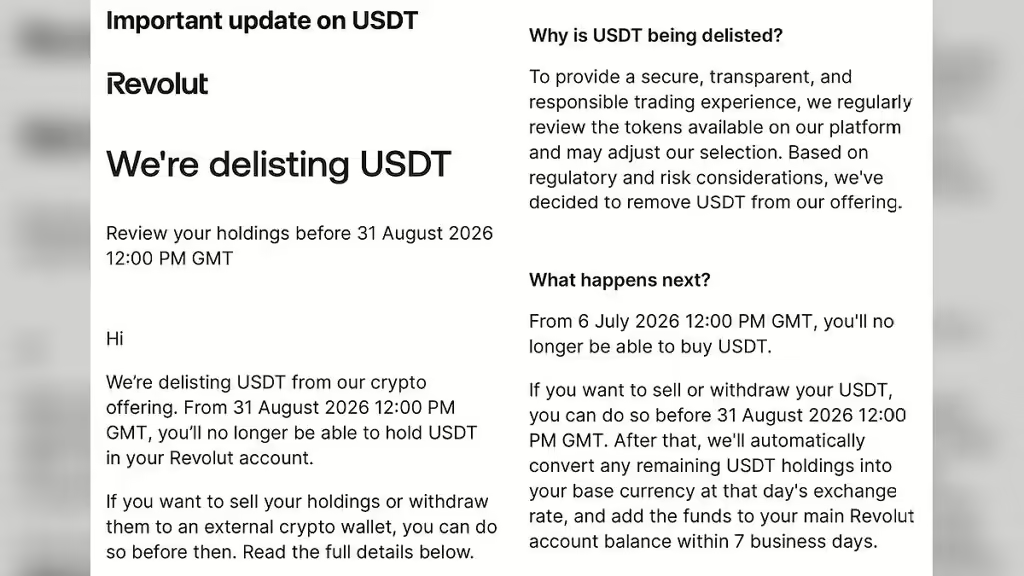
United Kingdom-based fintech company Revolut has informed certain customers that it will phase out support for Tether over the coming weeks, citing regulatory and risk considerations.
According to a customer notification, users will no longer be able to purchase USDT beginning July 6, while the stablecoin will be fully delisted from the platform on Aug. 31.
The company also said USDT deposits will cease on July 30, after which incoming transfers will be rejected. Customers who continue holding USDT after the August deadline will have their balances automatically converted into their base currency using the prevailing exchange rate.
The move reflects a broader industry trend as financial technology firms continue adjusting stablecoin offerings in response to changing regulatory frameworks. Several cryptocurrency exchanges have already taken similar steps in Europe to comply with new regulatory requirements.
Sheriffs Association Withdraws Opposition to CLARITY Act
The Major County Sheriffs of America has reportedly changed its position on the proposed CLARITY Act, moving from opposition to a neutral stance after lawmakers addressed concerns surrounding one of the bill’s provisions.




The organization had previously warned that Section 604, which incorporates elements of the Blockchain Regulatory Certainty Act, could make it more difficult for investigators to pursue cryptocurrency-related criminal activity by limiting liability for developers of decentralized platforms.
Following revisions and further discussions, the group said its concerns had been sufficiently addressed, reducing one source of resistance to the legislation.
The CLARITY Act continues to receive bipartisan support in Congress, although progress has slowed amid debate over stablecoin regulation and concerns from banking organizations regarding digital asset products that could compete with traditional deposits.
Supporters of the bill are seeking a Senate vote later this month with the goal of advancing the legislation before November’s midterm elections.
Trump Defends Cryptocurrency Profits
Trump has rejected criticism surrounding the significant cryptocurrency income disclosed in his latest financial filings, arguing there is nothing improper about the reported earnings.
Financial disclosures indicate that crypto-related businesses generated approximately $1.4 billion of Trump’s reported income during 2025, with revenue linked to ventures including the TRUMP memecoin, World Liberty Financial and a stablecoin project.
The disclosures have renewed debate over potential conflicts of interest as Congress simultaneously considers legislation that could significantly reshape the U.S. cryptocurrency industry.
Trump maintained that his investments are managed by others and said he does not directly oversee decisions involving those assets.
Crypto Regulation Remains at the Center of Political Debate
The latest developments underscore the growing intersection between cryptocurrency markets and U.S. politics.
As lawmakers continue evaluating comprehensive digital asset legislation, companies across the financial and crypto sectors are adjusting their business strategies to align with anticipated regulatory changes.
At the same time, the increasing political influence of the cryptocurrency industry has drawn heightened scrutiny, with substantial campaign spending by digital asset firms highlighting the sector’s efforts to shape future regulation.
