
Canada Launches Trade Probe Into Cheap Chinese Plywood Imports Over Unfair Pricing Claims
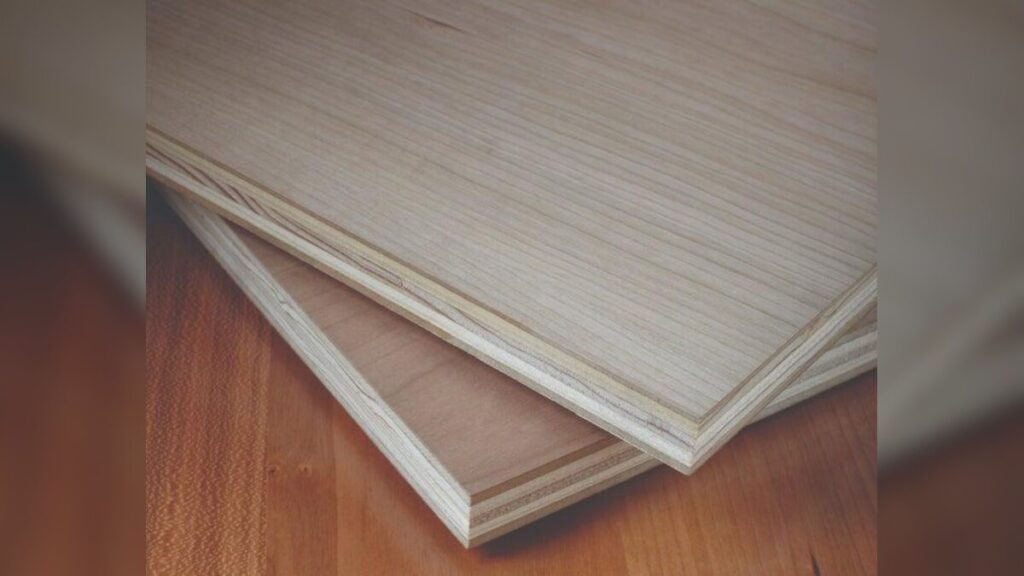
The government of Canada has opened a formal investigation into whether decorative and non-structural plywood imported from China is being sold at unfairly low prices.
The probe focuses on allegations of “dumping” and subsidies that may be harming domestic manufacturers.
Investigation Triggered by Industry Complaint
The case was initiated after a complaint from Canadian industry groups, including Columbia Forest Products and the Canadian Hardwood Plywood and Veneer Association.
They argue that imported plywood is entering the Canadian market at artificially low prices.
According to the complaint, this has led to widespread harm across the domestic industry, including lost sales, reduced market share, and weaker financial performance.
Allegations of Industry Damage
Canadian producers claim they are being undercut by cheaper imports, making it difficult to compete fairly.
They also report issues such as price suppression, reduced production capacity, job losses, and lower returns on investment.
Authorities will now examine whether these claims are supported by evidence.
Two Agencies, One Investigation
The investigation involves two key bodies: the Canada Border Services Agency and the Canadian International Trade Tribunal.
The CBSA is responsible for determining whether the imports are being dumped or subsidized.
The CITT will assess whether those imports are causing material injury to Canadian producers.




Key Timeline for Decisions
The CITT is expected to deliver a preliminary ruling by June 9, 2026.
The CBSA will follow with its own preliminary determination by July 9, 2026.
These early findings will help determine whether trade restrictions or duties may be imposed.
What the Law Covers
The investigation is being carried out under Canada’s Special Import Measures Act.
This law is designed to protect domestic industries from unfair international trade practices.
It allows Canada to impose duties on imported goods that are found to be dumped or subsidized.
Economic Stakes for Canada
Officials note that anti-dumping measures already play a significant role in the economy.
In 2025 alone, such duties applied to about $3.3 billion worth of imports across multiple sectors.
These protections support tens of thousands of Canadian jobs in affected industries.
Impact and Consequences
If the allegations are confirmed, Canadian importers of plywood from China could face new tariffs or restrictions.
That could raise prices in the short term but strengthen local manufacturing industries.
On the other hand, if no wrongdoing is found, imports will continue without additional trade barriers.
What’s Next?
Both agencies will now collect evidence, review pricing data, and assess market impact.
Preliminary rulings in mid-2026 will determine whether further trade action is necessary.
The outcome could influence future Canada–China trade relations in the forestry sector.
Summary
Canada has launched a dual investigation into whether Chinese plywood imports are being unfairly priced and harming local producers.
Two federal agencies will assess the case, with key decisions expected between June and July 2026.
Bulleted Takeaways
- Canada investigates alleged dumping of plywood from China
- Complaint filed by Columbia Forest Products and industry association
- CBSA and CITT both involved in the investigation process
- Claims include lost sales, job cuts, and price suppression
- Preliminary rulings expected June–July 2026
- Investigation conducted under Special Import Measures Act
- Potential for future tariffs or trade restrictions depending on findings
