
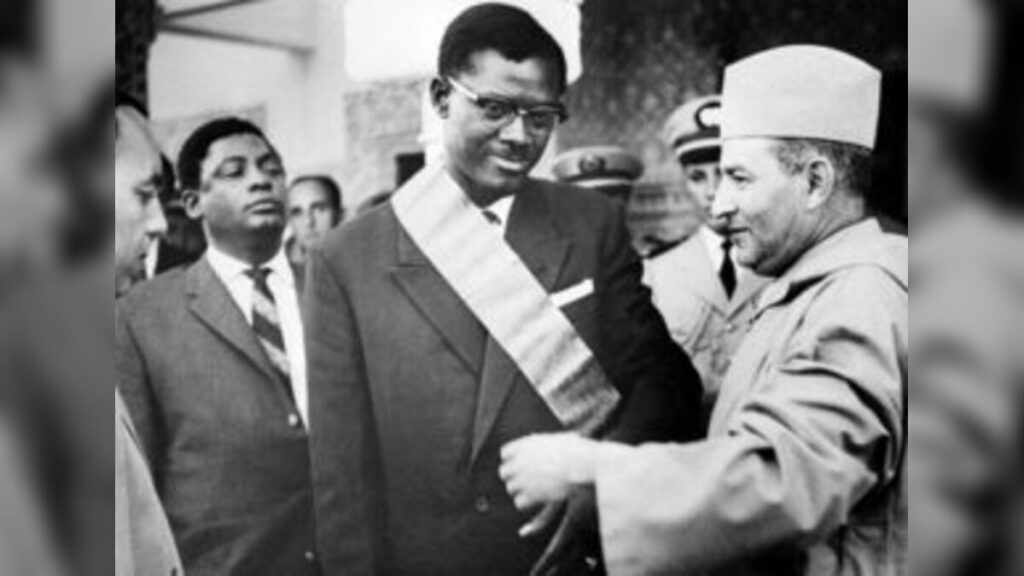
More than six decades after the death of Congolese independence hero Patrice Lumumba, a courtroom in Brussels has reopened one of Africa’s most controversial historical wounds.
On Tuesday, judges ruled that a 93-year-old former Belgian diplomat should face trial over alleged involvement in Lumumba’s killing—an event that has long symbolized the turbulent aftermath of colonial rule in Central Africa.
The Man at the Center of the Case
The individual now facing trial is Etienne Davignon.
He is the last surviving figure among a group of ten Belgians accused by Lumumba’s family of playing a role in the 1961 assassination.
Prosecutors say the charges amount to “participation in war crimes,” a serious accusation tied to the chaotic political and military environment that followed Congo’s independence.
A Murder That Shook a Nation
Lumumba, the first democratically elected Prime Minister of the newly independent Democratic Republic of the Congo, was killed in January 1961, just months after taking office.
His death came at a time when the country was struggling with internal divisions, foreign interference, and Cold War tensions.
Belgium, the former colonial power, has long faced scrutiny over its alleged role in the events leading to his assassination.
Over the years, various investigations and parliamentary inquiries have pointed to moral and political responsibility, though legal accountability has remained elusive—until now.




Why This Case Matters Today
For decades, Lumumba’s family and supporters have pushed for justice, arguing that the truth behind his killing was deliberately obscured.
The latest court decision signals a shift: a willingness to revisit colonial-era actions under modern legal frameworks.
Importantly, the ruling is not final.
Davignon still has the right to appeal, meaning the case could face further legal hurdles before any full trial begins.
Impact and Consequences
The implications of this case go far beyond one individual.
If the trial proceeds, it could:
- Reignite debates about Europe’s colonial legacy in Africa
- Put pressure on governments to address historical injustices more directly
- Strengthen calls for reparations and formal apologies
- Influence how international law handles crimes tied to colonial-era actions
For Belgium, it may also deepen an ongoing national reckoning about its past in Congo, a relationship marked by exploitation, violence, and political interference.
What’s Next?
The immediate next step is the possibility of an appeal by Davignon’s legal team.
If the appeal fails or is not pursued, the case will move to a full trial where evidence, testimonies, and historical records will be examined in detail.
Meanwhile, Lumumba’s family is expected to continue advocating for accountability, hoping this legal process will finally bring closure after more than 60 years.
Summary
A Belgian court has taken a significant step toward revisiting one of Africa’s most painful historical episodes.
By ordering the trial of Etienne Davignon over the killing of Patrice Lumumba, the judiciary has opened the door to long-delayed legal scrutiny of colonial-era actions.
While the outcome remains uncertain, the decision alone marks a turning point in the pursuit of justice.
Bulleted Takeaways
- A Brussels court ordered former diplomat Etienne Davignon to stand trial
- He is accused of involvement in the 1961 killing of Patrice Lumumba
- Lumumba was Congo’s first Prime Minister after independence
- The case is part of a long-standing push for justice by his family
- The ruling can still be appealed, so a trial is not guaranteed yet
-
The case could reshape conversations about colonial accountability and war crimes

