
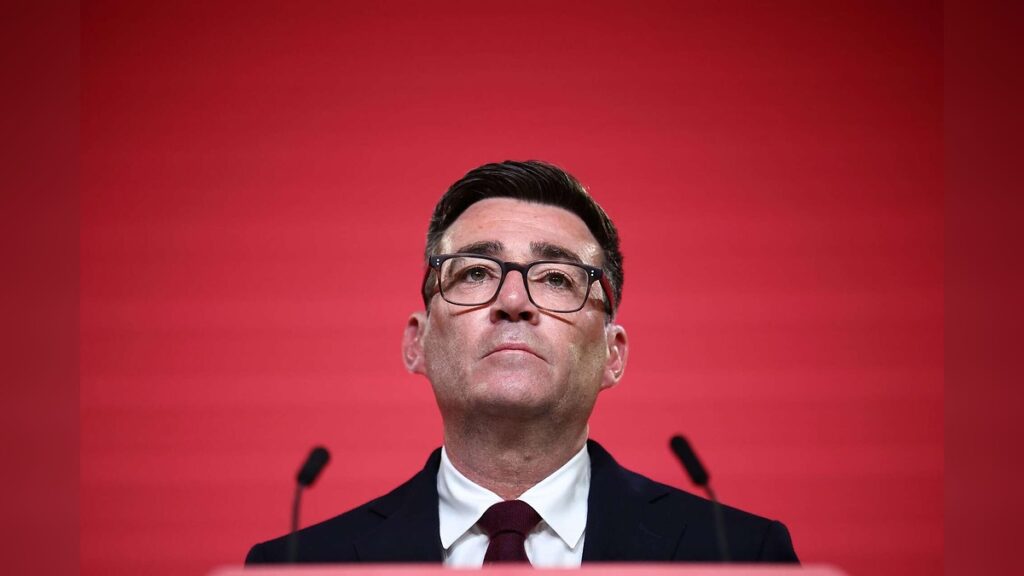
Prime Minister Andy Burnham has pledged to make ending long-term rough sleeping one of the defining priorities of his new administration, announcing a major funding package and a nationwide strategy aimed at providing secure housing and support for vulnerable people across the UK.
The announcement came during his first address outside 10 Downing Street, where he outlined his government’s broader vision of rebuilding hope, strengthening public services, and creating a country where no one is abandoned to homelessness.
Government Commits Record Funding to Housing Initiative
At the centre of the Prime Minister’s announcement is an immediate £340 million investment designed to accelerate efforts to reduce rough sleeping.
The funding raises government spending on the issue to its highest level and marks the opening phase of a wider five-year programme focused on tackling long-term homelessness.
Officials say the initial investment will help deliver around 1,200 homes while providing intensive support services for at least 3,000 people experiencing the most severe forms of homelessness.
Burnham Rejects Claims That the Crisis Cannot Be Solved
Andy Burnham dismissed long-standing arguments that rough sleeping is an unavoidable problem that would require decades to eliminate.
Instead, he argued that previous national governments failed to treat the issue with sufficient urgency and political commitment.
The Prime Minister pointed to the success of the “Everyone In” programme introduced during the COVID-19 pandemic as evidence that rapid action is possible when government agencies work together with local authorities.
According to Burnham, rough sleeping is not an inevitable feature of British society but the result of years of policy failures and missed opportunities.
First-Day Measures Focus on Immediate Support
The government intends to begin practical action immediately by identifying individuals who have experienced prolonged periods of rough sleeping and helping them move into permanent accommodation.
Plans include acquiring suitable housing, expanding specialist support services, and ensuring vulnerable individuals receive assistance before winter places additional pressure on emergency services and charities.




The administration says these first steps are intended to prevent people from remaining trapped in repeated cycles of homelessness, poor health, and insecurity.
Local Authorities to Lead National Delivery
Rather than relying solely on central government, the programme will place mayors, councils, NHS organisations, and other public services at the forefront of implementation.
Ministers believe locally led solutions have already demonstrated success in reducing homelessness in several communities and want to strengthen those partnerships through increased financial support and closer coordination between Whitehall and regional leaders.
The government says this collaborative approach will allow support to be tailored to local needs while maintaining national oversight.
Preventing Homelessness Could Reduce Public Costs
The new strategy also reflects the government’s aim to shift public spending toward prevention rather than crisis response.
Research cited by ministers suggests that preventing someone from becoming homeless costs only a fraction of the amount required to respond after they begin sleeping rough.
Beyond improving individual lives, the government believes reducing homelessness could ease pressure on the NHS, policing, criminal justice services, and other public agencies that regularly respond to homelessness-related emergencies.
Prime Minister Calls for a More Compassionate Britain
Before entering Downing Street to deliver his inaugural speech, Burnham met with people who had experienced rough sleeping firsthand, listening to their accounts of the challenges associated with homelessness.
He said those conversations reinforced his determination to make secure housing a national priority, arguing that everyone deserves the stability of a safe home regardless of their circumstances.
The Prime Minister described the initiative as part of a broader mission to rebuild confidence in government and create a Britain where vulnerable people receive support instead of being overlooked.
Further Measures Expected Before Autumn
The £340 million package represents only the first stage of the government’s long-term homelessness strategy.
Ministers have confirmed that additional policies and investments will be announced before the autumn as part of a comprehensive five-year programme.
The administration says its goal is not only to reduce rough sleeping but to eliminate long-term homelessness by combining permanent housing with sustained support services, while delivering what Burnham described as a renewed sense of hope for communities across the United Kingdom.
Summary
Prime Minister Andy Burnham has launched his premiership with a major commitment to end long-term rough sleeping, backed by an immediate £340 million investment.
The initiative will fund new housing, expand support services, and strengthen cooperation between central government, local authorities, and the NHS.
The government argues that preventing homelessness is both more effective and less costly than responding to crises, with further reforms expected later this year as part of a wider five-year strategy.
