
St. Patrick’s Day isn’t just a holiday—it’s a worldwide invitation to celebrate Irish culture, heritage, and, yes, a little chaos.
Each March 17, streets, bars, and social media timelines light up in green as people from all corners of the globe adopt Irish cheer, even if only for one day.
From Dublin’s parades to New York’s Riverwalks, the energy is contagious and impossible to ignore.
Political Cheers for Irish-Americans
Even political leaders join the celebration.
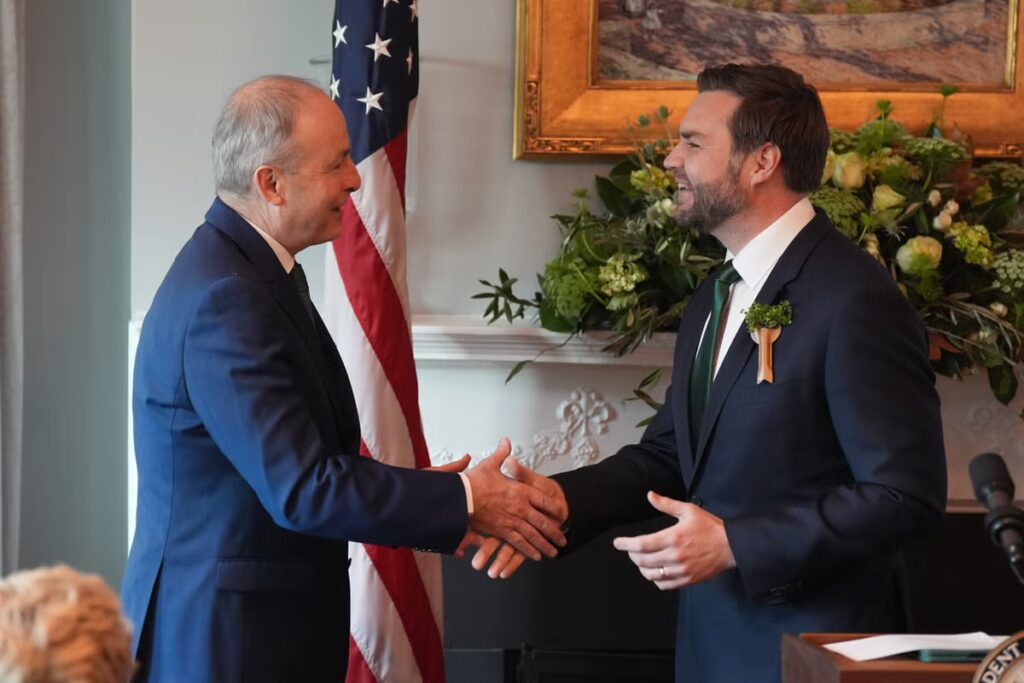
Vice President Mike Vance recently praised Irish-Americans, saying, “To all of Ireland, to all of our wonderful Irish-Americans, and everybody who just loves an Irish-American, happy St. Patrick’s Day!”
This kind of recognition highlights the deep cultural influence Irish-Americans have in the U.S., and how St. Patrick’s Day has grown into a celebration of both heritage and community.
Humor and Tradition in Social Media
Social media takes St. Patrick’s Day to another level.
From humorous tweets to viral videos, the holiday becomes a stage for jokes, puns, and playful warnings.
Take Mario Nawfal, who summed it up perfectly: “The one day a year everyone’s Irish, nobody’s sober, and green is a personality. Sláinte.
Don’t text your ex.” Whether a nod to tradition or modern humor, these posts capture the spirit of a day where identity is fluid and fun rules.
How the Celebration Has Evolved
Originally, St. Patrick’s Day was a solemn religious occasion in Ireland commemorating the life of Saint Patrick, the man credited with bringing Christianity to Ireland in the 5th century.
Over time, Irish immigrants, particularly in the U.S., transformed it into a vibrant public festival celebrating Irish identity.




Today, the holiday combines parades, music, food, and spirited drinking with both religious and cultural undertones, giving it a unique global flavor.
Impact and Consequences
St. Patrick’s Day has a notable cultural and economic footprint.
Bars, restaurants, and event organizers see a surge in revenue, while tourism in cities known for their festivities experiences a boost.
Yet, there are downsides: increased alcohol consumption, public safety issues, and potential disturbances are recurring concerns.
Culturally, the holiday reinforces Irish pride and keeps traditions alive for both diaspora communities and global participants.
What’s Next?
Expect St. Patrick’s Day to continue evolving.
Digital celebrations, globalized parades, and creative online content will grow, allowing people everywhere to join the fun—even from home.
Simultaneously, there’s a push to reconnect with the holiday’s historical roots, balancing the party aspect with genuine cultural appreciation.
Summary
From political shout-outs to viral humor, St. Patrick’s Day has grown into a global celebration of Irish heritage, identity, and community.
It’s a day where everyone can partake in the fun, wear green with pride, and embrace both tradition and modernity—just maybe keep your ex off your texts.
Bulleted Takeaways
-
St. Patrick’s Day celebrates Irish culture both in Ireland and globally
-
Irish-American contributions are recognized by political leaders like VP Vance
-
Social media amplifies humor and festivity, making the holiday widely accessible
-
Economic benefits include boosted tourism, hospitality, and event revenues
-
Public safety and overconsumption remain yearly challenges
-
The holiday blends ancient religious traditions with modern cultural celebration
-
One universal rule: enjoy responsibly and maybe avoid texting your ex
Sláinte!

