
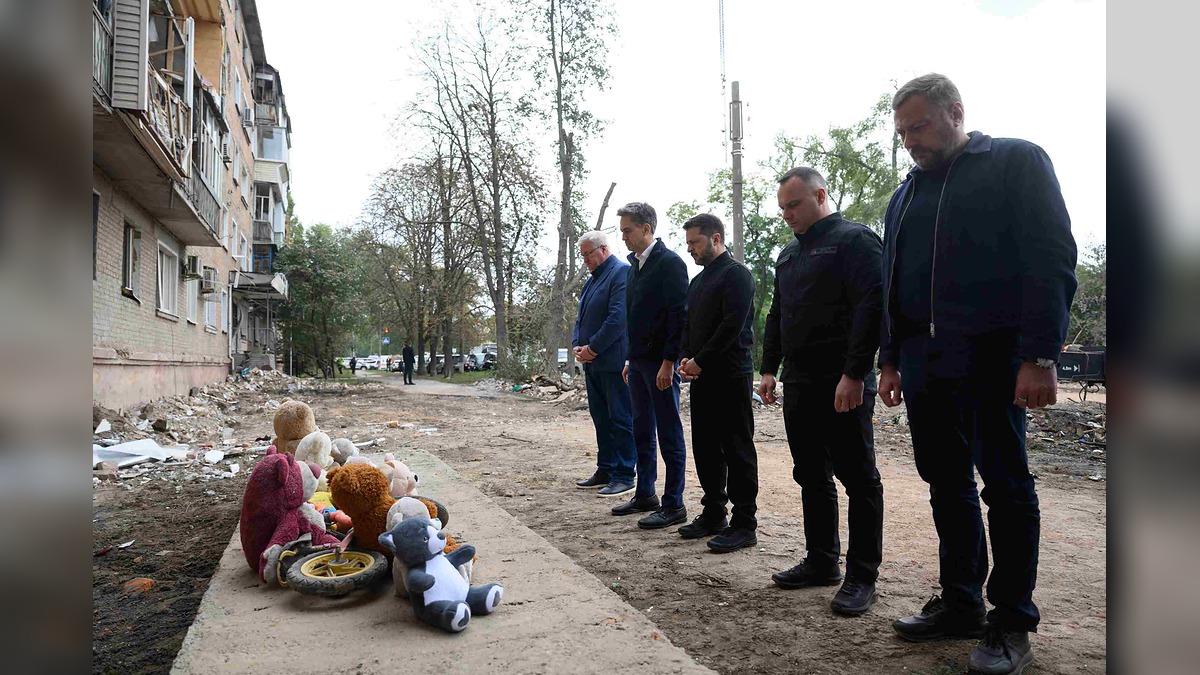
Ukraine has reported more than 200 Russian attacks on its electricity generation and transmission facilities over the past week, raising questions about the implementation of an energy ceasefire announced by United States President Donald Trump.
The announcement came as Ukrainian authorities reported continued Russian drone and glide bomb attacks, including a strike on a power plant in Kharkiv, despite expectations that Washington’s diplomatic efforts could lead to reduced hostilities.
According to figures released by the Ukrainian presidency, Russian attacks over the past seven days have killed more than 150 people and injured over 700 others, while energy infrastructure has remained a major target.
Kyiv has welcomed the American announcement but stressed that any agreement must be reflected in actual military operations before it can be considered effective.
Russian Drone Attacks Continue Despite US Ceasefire Announcement
Russian drones were reported over Ukrainian territory throughout the day, with additional glide bomb attacks and strikes on energy infrastructure recorded.
Ukrainian officials identified Iranian-designed Shahed-type drones among the weapons being used in the continuing aerial campaign.
The reported activity has created uncertainty over whether the proposed energy ceasefire has taken effect or whether further arrangements are required between Washington and Moscow.
A power plant in Kharkiv was among the facilities reportedly attacked during the evening, adding to concerns about the security of Ukraine’s electricity supply.
Although the United States has announced progress toward an agreement, details concerning its implementation, duration and monitoring arrangements have not yet been clarified in the Ukrainian statement.
More Than 200 Electricity Infrastructure Strikes Recorded in One Week
Ukraine’s latest figures indicate that electricity infrastructure has faced sustained attacks over the past seven days.
More than 200 strikes reportedly targeted electricity generation and transmission facilities, while another 17 attacks were directed at gas and oil infrastructure.
The figures suggest that energy installations remain a significant focus of Russian military operations, despite international diplomatic efforts to reduce attacks on critical civilian services.
Damage to electricity generation and transmission systems can disrupt power supplies to households, hospitals, businesses and essential public facilities.
Attacks on gas and oil infrastructure can also affect fuel availability, heating systems and industrial operations.
The full extent of the physical damage caused by the reported strikes was not detailed in the statement.



More Than 150 Killed and 700 Injured During Week of Attacks
The reported military activity has also resulted in substantial human casualties.
According to the Ukrainian government, more than 150 people were killed and over 700 others injured during Russian attacks over the past week.
The figures were presented as part of the government’s assessment of the continuing bombardment, although a detailed regional breakdown of the casualties was not provided.
The reported death toll highlights the humanitarian consequences of ongoing hostilities as diplomatic discussions continue over possible measures to reduce the intensity of the conflict.
Emergency responders and medical personnel continue to face pressure from repeated attacks on populated areas and infrastructure.
Washington’s Energy Ceasefire Announcement Raises Expectations
President Trump’s announcement that an energy ceasefire had been secured has introduced a potentially significant development in diplomatic efforts surrounding the war.
Ukraine responded positively to the statement, describing the prospect of an agreement as welcome news while emphasizing the importance of its implementation.
However, Kyiv indicated that it was still awaiting clear information about the discussions between the United States and Russia.
Questions remain over the precise commitments made, the facilities covered by any ceasefire and how compliance would be assessed.
The Ukrainian government expects Moscow to honor the commitments described by the American president.
Until those arrangements become clear, the continuation of reported attacks on energy facilities is likely to remain a central concern.
Ukraine Says Previous Proposals to Reduce Hostilities Were Rejected
Ukraine has maintained that it previously presented several proposals intended to reduce military escalation and create conditions for negotiations.
According to the Ukrainian presidency, those initiatives were rejected by Russian President Vladimir Putin.
The latest American diplomatic announcement has therefore renewed attention on whether Moscow will accept measures aimed at limiting attacks and advancing negotiations.
Kyiv has reiterated its willingness to pursue a peace agreement, provided the outcome is considered fair and sustainable.
The Ukrainian government has also called for concrete commitments rather than statements that are not followed by changes in military activity.
Ukrainian Armed Forces Receive Instructions as Kyiv Awaits Russian Response
Ukraine’s military leadership has received instructions in connection with the latest diplomatic developments, although the specific operational directives were not disclosed.
The announcement indicates that Kyiv is preparing its armed forces for developments arising from the proposed energy ceasefire while continuing to monitor Russian military activity.
Ukrainian President Volodymyr Zelenskyy said his government was awaiting clarification of the discussions between Washington and Moscow and expected Russia to act in accordance with the American announcement.
The coming response from Moscow will be important in determining whether the proposed arrangement leads to a reduction in attacks on energy infrastructure.
For now, the reported strikes on Kharkiv and other Ukrainian facilities illustrate the gap between the diplomatic announcement and conditions described on the ground.
The attack and casualty figures cited in this report come from Ukrainian official statements and have not been independently verified. The precise terms of the ceasefire announcement also remain unconfirmed in the material provided.
Whether the diplomatic initiative produces a sustained reduction in hostilities will depend on the commitments made by the parties and their implementation.
