
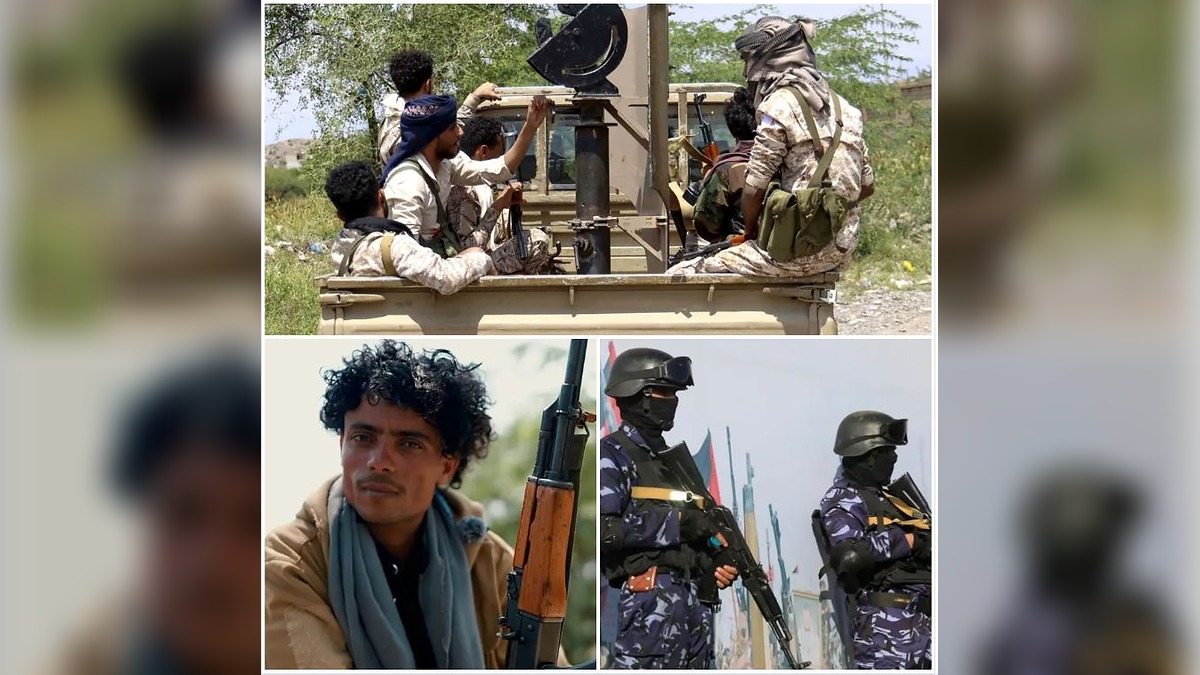
Saudi Arabia is facing a growing security challenge after a Houthi attack on King Khalid International Airport in Riyadh reportedly exposed vulnerabilities in the kingdom’s air defences and raised concerns about the safety of its critical infrastructure.
The Saturday attack, which killed a US citizen, marks a further escalation in a conflict that has increasingly threatened Saudi territory, regional stability and important international shipping routes.
Although physical damage to the airport may be repaired relatively quickly, the incident risks undermining Saudi Arabia’s reputation as a secure destination for international travellers, investors and businesses.
Houthis Expand Pressure on Saudi Infrastructure
The latest incident follows a series of Houthi attacks on Saudi territory in recent weeks. The Iran-backed movement has increasingly targeted locations and facilities that are important to the kingdom’s economy and security.
Saudi Arabia possesses one of the Middle East’s most powerful air forces and has conducted extensive air strikes against Houthi positions. However, the group has continued to demonstrate its ability to strike sensitive targets, including locations linked to the kingdom’s energy and transport infrastructure.
The Houthis have also sought to strengthen their position along Yemen’s Red Sea coast and near the strategically important Bab al-Mandeb Strait. These developments have heightened concerns about the safety of commercial shipping through a maritime corridor essential to international trade.
Yemen’s internationally recognised government, which receives support from Saudi Arabia, has said the strait has been secured. Nevertheless, the continuing conflict leaves questions about how effectively the area can be protected from further attacks.
A Long-Running Civil War With Regional Consequences
Yemen’s civil war has continued for more than a decade, pitting the internationally recognised government against the Houthis, who receive backing from Iran.
The fighting has killed thousands of people and contributed to one of the world’s most severe humanitarian crises. It has also drawn neighbouring countries and wider international powers into a conflict shaped by competing regional interests.
The latest escalation cannot be separated from the broader confrontation involving Iran, the United States and Israel. As tensions spread across the region, attacks in Yemen increasingly risk producing consequences far beyond the country’s borders.
For Saudi Arabia, the current situation represents a serious challenge not seen on a comparable scale since the al-Qaeda insurgency of the mid-2000s, according to the BBC’s analysis.
Red Sea Shipping Becomes a Strategic Pressure Point
The Houthis’ activities along the Red Sea have added another dimension to the conflict. Their attempts to threaten maritime traffic provide a means of putting pressure on Saudi Arabia and its international partners while creating potential disruption for global commerce.
The Bab al-Mandeb Strait connects the Red Sea to the Gulf of Aden and serves as a key passage for vessels travelling between Europe and Asia. Any sustained disruption can force shipping companies to reconsider routes, increase transport costs and delay deliveries.




The importance of the corridor has grown further because the Strait of Hormuz has not fully reopened following the failure of the United States and Iran to reach an agreement to end their war, according to the report.
By threatening ships and critical infrastructure, the Houthis can generate economic consequences that extend well beyond the immediate battlefield. Such disruption may also give Iran additional leverage in its wider regional confrontation.
Saudi Arabia Faces a Different Kind of Security Test
The kingdom has weathered several periods of political and security instability over the past two decades. It previously confronted al-Qaeda’s insurgency, navigated the regional upheaval associated with the Arab Spring and continued to function after an Iranian ballistic missile attack on Riyadh in March.
However, the current Houthi campaign presents a different challenge because of the apparent reach of the attacks and the importance of the targets being threatened.
The Houthis have used drones and missiles against locations ranging from Jizan on the Red Sea to the petrochemical complex at Khurais. These strikes demonstrate how the group can threaten economic assets even while Saudi forces maintain substantial conventional military superiority.
For a country seeking to attract investment, develop tourism and reinforce its position as a regional business hub, repeated attacks on major infrastructure could have consequences extending beyond immediate repair costs.
Washington’s Role Could Change After Fatal Riyadh Attack
The United States had previously indicated that it would not directly enter the Yemen conflict, although it could provide intelligence assistance to Saudi Arabia.
The White House subsequently confirmed that intelligence support was being supplied and that military experts had been deployed to the kingdom.
The latest attack may prompt Washington to reconsider how far it is prepared to become involved. US President Donald Trump described the incident as “terrible” and said a decision on a possible response would be made quickly.
“We just found out about the recent attack, so we’ll make a decision. We move very quickly,” Trump told reporters.
His comments leave open the possibility of a change in American policy, although the BBC’s analysis suggested that direct military intervention could be politically difficult ahead of the US midterm elections scheduled for next month.
Trump Faces Pressure Over America’s Expanding Middle East Commitments
Trump returned to office in 2025 after winning the 2024 presidential election, having pledged to reduce America’s involvement in overseas wars.
However, the United States remains involved in unresolved conflicts across the Middle East, including those involving Gaza, Lebanon and Iran. A further military commitment in Yemen could intensify scrutiny of the administration’s foreign policy.
Any decision to intervene alongside Saudi Arabia would carry risks, including the possibility of further escalation and a prolonged American role in another regional conflict.
With domestic political considerations also in play, Washington faces a difficult choice between supporting a key regional partner and avoiding a deeper military commitment.
Conflict Could Intensify Before Another Fragile Truce
The latest attack has increased uncertainty over the direction of the Yemen war. Saudi Arabia faces continued pressure on its infrastructure, while the Houthis retain the ability to threaten both regional security and international trade.
The possibility of American intervention adds another layer of uncertainty, but a direct US military role is not guaranteed.
The conflict may intensify before the parties eventually reach another fragile ceasefire, the BBC analysis concluded. Whether that happens with or without American involvement, the latest escalation demonstrates how the war in Yemen remains closely connected to wider regional rivalries and the security of global shipping routes.
Additional analysis by Abdelbassir Hassan of BBC Arabic.

