
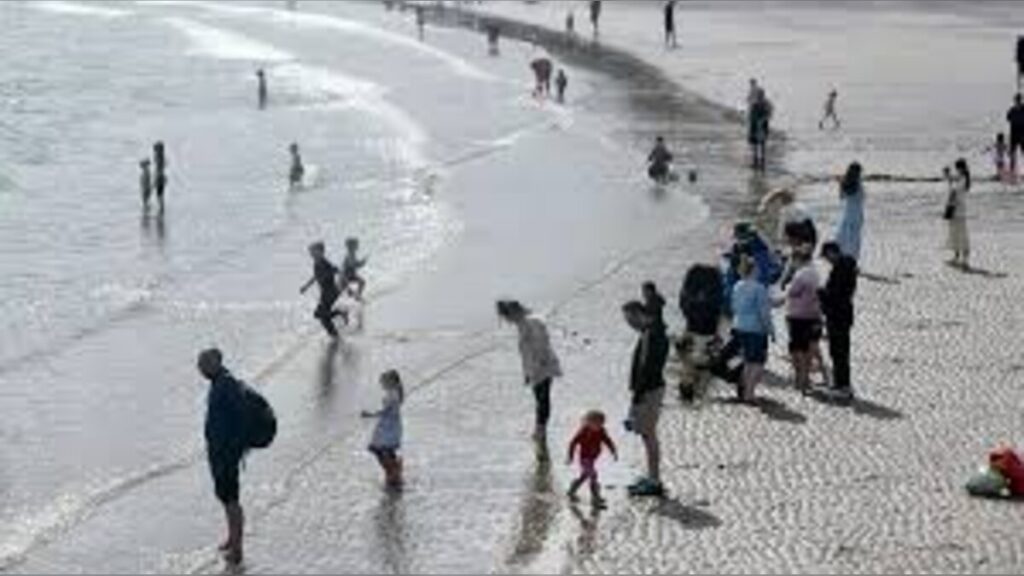
Spring is here, the sun is peeking through, and across the UK people are dusting off beach towels and planning seaside escapes.
But while the coastline may look inviting, the water at some well-known spots tells a very different story.
A recent roundup by travel platform Locals Insider highlights 20 beaches across England where swimming is currently discouraged due to poor water quality.
These ratings come from the UK government’s environmental watchdog, and “poor” is as low as it gets — essentially a red flag for swimmers.
What “Poor” Really Means
When a beach is given a “poor” rating, it’s not just a minor concern.
It means bacteria levels are high enough to pose potential health risks.
Authorities actively advise against entering the water in these areas.
The causes? A messy mix of sewage discharge, agricultural runoff, urban drainage, wildlife waste, and sometimes outdated infrastructure struggling to keep up with modern demand.
Coastal Gems With Hidden Problems
Some of the beaches on the list might surprise you — not because they’re obscure, but because they’re actually quite popular.
Take Scarborough South Bay, for example. It’s one of the country’s best-loved seaside destinations, yet ongoing pollution from multiple sources — including harbour activity and sewage — has kept water quality consistently low.
Then there’s Blackpool North, sitting right by the iconic tower and bustling promenade.
Despite its postcard appeal, dozens of pollution warnings were issued there last year alone.




Over in the northeast, Cullercoats Bay has struggled with contamination issues for years, with investigations tracing problems back to polluted groundwater.
Kent and Sussex Not Spared
Southern England doesn’t escape the problem either.
Beaches like Littlestone Beach and Dymchurch Beach have drawn complaints from locals about murky water and suspected waste dumping.
Meanwhile, at Worthing Beach House, rainfall can wash pollutants from urban drainage systems straight into the sea — meaning conditions can change quickly after a storm.
The South West’s Ongoing Struggle
Even the scenic coasts of Devon and Somerset — often praised for their natural beauty — aren’t immune.
Lyme Regis Church Cliff Beach has faced repeated issues linked to sewage contamination flowing through local waterways.
Further along, Dunster Beach and Weston Main Beach frequently trigger pollution warnings tied to rainfall, livestock runoff, and urban waste.
Why This Keeps Happening
The truth is, much of the UK’s water infrastructure is aging.
Heavy rain can overwhelm sewage systems, forcing untreated or partially treated waste into rivers and seas.
Add agricultural runoff and wildlife into the mix, and the result is a recurring water quality problem.
Efforts are underway — from borehole investigations to pollution tracking and infrastructure upgrades — but progress is slow and often takes years.
Impact and Consequences
The implications go beyond just a ruined swim.
- Public health risks: High bacteria levels can cause stomach illnesses, skin infections, and more.
- Tourism hits: Coastal towns rely heavily on visitors, and poor water ratings can discourage travel.
- Environmental damage: Marine ecosystems suffer when pollution levels rise.
- Local frustration: Residents often feel stuck between enjoying their coastline and worrying about safety.
What’s Next?
Authorities, including environmental agencies and local councils, are continuing to monitor and improve these sites.
Water companies are under increasing pressure to reduce sewage discharges, while campaigns and community groups are pushing for faster change.
In the meantime, experts advise checking official water quality updates before heading into the sea — especially after heavy rainfall, when pollution spikes are more likely.
Summary
England’s coastline still offers hundreds of safe, beautiful swimming spots.
But a small number — just 20 out of around 400 designated bathing waters — currently fall below acceptable standards.
The key takeaway? Don’t judge a beach by its appearance alone.
That sparkling shoreline might be hiding something less appealing beneath the surface.
Bulleted Takeaways
- 20 beaches in England are currently rated “poor” for water quality
- Swimming is officially discouraged at these locations
- Pollution sources include sewage, agriculture, and urban runoff
- Popular tourist beaches like Scarborough and Blackpool are affected
- Heavy rainfall often worsens contamination levels
- Authorities are working on improvements, but progress is gradual
- Always check local water quality reports before swimming

