
The United Kingdom has used a major session at the United Nations Human Rights Council to voice serious concerns about conflicts and human rights violations across several regions, including Gaza, Tanzania, China and Ukraine.
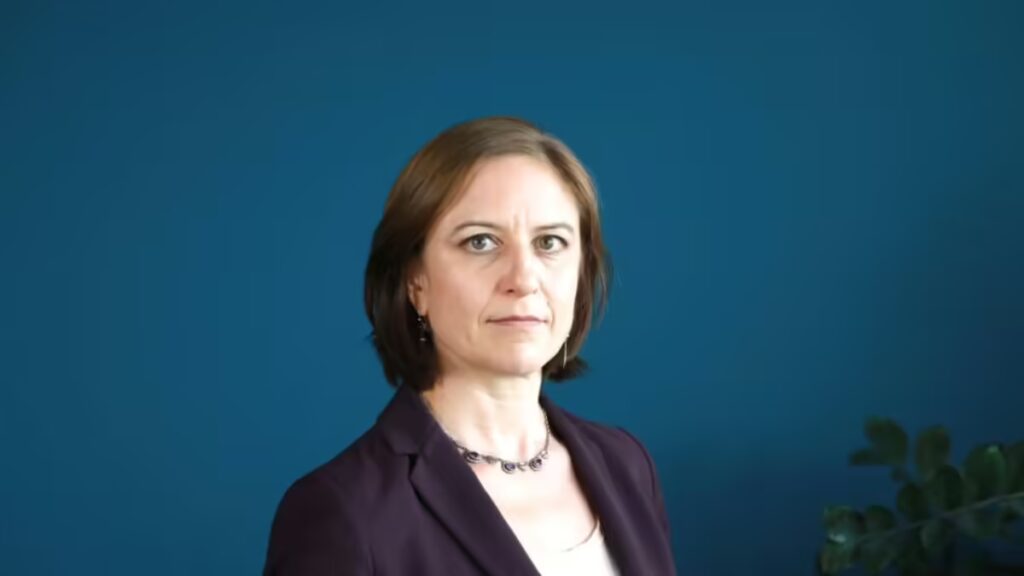
Delivering the statement during the Item 2 General Debate, the UK’s Human Rights Ambassador, Eleanor Sanders, thanked the UN High Commissioner for the latest global update before outlining Britain’s key concerns.
The speech was formally published on 2 March 2026.
Gaza Crisis Remains a Serious Concern
Turning first to the Middle East, the UK said the humanitarian situation in Gaza continues to cause deep concern.
Britain urged Israel to allow humanitarian aid to move quickly and without obstruction, in line with international law.
It also called on all parties involved to respect the existing ceasefire and implement the proposed 20-point peace plan aimed at reducing hostilities and restoring stability.
In the West Bank, the UK warned that rising violence and expanding settlement activity are increasing instability and damaging the already fragile prospects for long-term peace.
UK Calls for Investigation Into Post-Election Violence in Tanzania
The UK also highlighted unrest in Tanzania following its October elections.
According to the statement, the period after the vote saw shocking violence, including reports of extra-judicial killings and allegations that bodies were concealed.




Britain called for an independent, transparent and inclusive investigation to ensure accountability.
The UK stressed that safeguarding constitutional rights and protecting fundamental freedoms for all Tanzanians must be a priority.
Concerns Persist Over China’s Human Rights Record
Addressing China, the UK acknowledged the High Commissioner’s continued engagement with China, particularly following the UN Office’s 2022 Xinjiang Assessment.
However, the British government expressed concern over what it described as a shift in approach — from so-called re-education camps to the use of prisons and labour transfer schemes.
The UK called on China to respond to reports of forced labour and restrictions on religious and cultural freedoms. It also urged Chinese authorities to release individuals said to be arbitrarily detained.
Firm Backing for Ukraine’s Sovereignty
The speech concluded with a clear message of support for Ukraine.
The UK reaffirmed its backing for Ukraine’s sovereignty, independence and territorial integrity. It also reiterated support for ongoing UN investigative mechanisms, stressing that those responsible for human rights violations and abuses must be held accountable.
Impact and Consequences
The UK’s intervention signals continued diplomatic pressure on multiple governments over alleged human rights breaches. Public statements at the Human Rights Council can influence international scrutiny, shape resolutions, and increase momentum for independent investigations.
In conflict zones such as Gaza and Ukraine, such remarks reinforce political backing and humanitarian expectations. In cases like Tanzania and China, they add to growing international calls for transparency and accountability.
While speeches alone do not trigger immediate legal outcomes, they contribute to multilateral pressure that can affect global relations, sanctions debates and future UN actions.
What’s Next?
The issues raised are likely to remain under discussion in future sessions of the Human Rights Council. UN mechanisms will continue gathering evidence and reporting on developments in Gaza, Ukraine and elsewhere.
Diplomatic engagement with Tanzania and China is also expected to continue, particularly regarding investigations and human rights assessments. Whether these calls translate into policy shifts or formal UN resolutions will depend on negotiations among member states.
Summary
In its latest address to the UN Human Rights Council, the UK outlined concerns about humanitarian access in Gaza, post-election violence in Tanzania, human rights practices in China, and ongoing violations linked to the war in Ukraine.
The statement reaffirmed Britain’s support for international law, accountability and national sovereignty, while urging investigations and compliance with global human rights standards.
Bulleted Takeaways
- The UK delivered its statement at the 61st session of the UN Human Rights Council.
- Britain expressed serious concern about humanitarian access in Gaza.
- Rising violence and settlement expansion in the West Bank were highlighted as destabilising factors.
- The UK called for an independent investigation into post-election violence in Tanzania.
- Concerns were raised about forced labour and detentions in China.
- The UK reaffirmed strong support for Ukraine’s sovereignty and territorial integrity.
- Accountability for human rights violations was a central theme of the address.
