
The UK government has shifted into crisis mode after US and Israeli air strikes on Iran sent shockwaves across the Middle East.
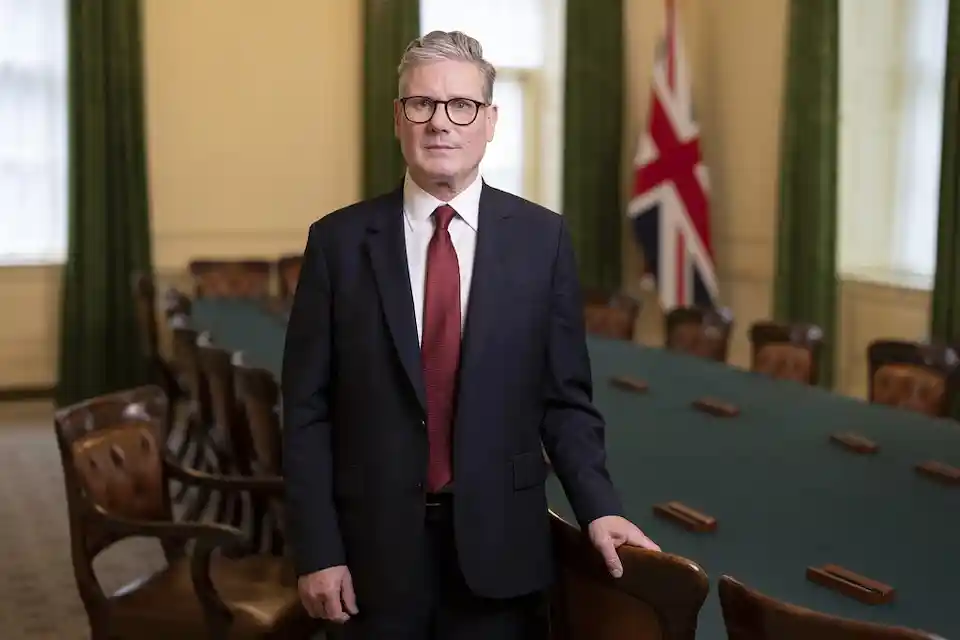
Prime Minister Sir Keir Starmer chaired a Cobra emergency session on Saturday morning, as explosions were reported in five Iranian cities, including the capital, Tehran.
The strikes followed the collapse of negotiations aimed at limiting Iran’s nuclear programme earlier this week.
Downing Street confirmed that Britain was not involved in the military action.
UK Distances Itself From Military Action
A government spokesperson made clear that the UK did not participate in the strikes. Instead, the focus remains on protecting British nationals and preventing a broader regional war.
“Iran must never be allowed to develop a nuclear weapon,” the spokesperson said, reiterating the UK’s long-standing position in support of a negotiated solution rather than military escalation.
Officials stressed that Britain’s immediate priority is ensuring the safety of its citizens in the region, with consular teams on standby.
Travel Warnings and Shelter Orders Across the Gulf
In response to reports of retaliatory missile attacks, the UK Foreign Office has issued urgent guidance to British nationals across several Middle Eastern countries.
Citizens in Bahrain, Qatar, Kuwait and the United Arab Emirates have been told to shelter in place immediately.
Meanwhile, Britons in Jordan, Syria, Lebanon, Iraq, Yemen, Turkey, Saudi Arabia and Oman have been urged to remain vigilant and follow local safety instructions.

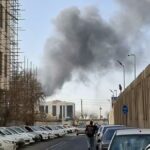
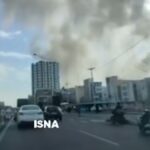
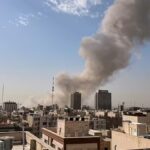
Explosions and air raid sirens were reported in Doha, where a US military base is located. Qatar’s defence ministry said it had intercepted incoming Iranian missiles.
In Bahrain, state media reported that a service centre linked to the US Navy’s Fifth Fleet had come under missile attack.
Washington and Tehran Trade Warnings
US President Donald Trump described the strikes as the beginning of “major combat operations” and called on Iranian forces to lay down their arms. He urged Iranian civilians to remain sheltered during the operation.
Iran’s Supreme National Security Council responded by vowing a “crushing” retaliation, signalling that the confrontation could intensify further.
Impact and Consequences
The emergency Cobra meeting underscores how seriously the UK views the potential fallout.
Any widening of the conflict could destabilise energy markets, disrupt international travel, and endanger thousands of British nationals living or working in the region.
Heightened tensions also increase the risk of broader military involvement by regional or global powers.
Diplomatic efforts aimed at curbing Iran’s nuclear ambitions now appear to be in jeopardy, potentially closing off pathways to de-escalation.
What’s Next?
The UK government is expected to maintain close coordination with allies while monitoring developments on the ground.
Further travel advisories or evacuation plans could be issued if security conditions deteriorate.
Diplomatic channels may still be pursued behind the scenes, but with retaliatory threats already exchanged, the immediate outlook remains uncertain.
For now, British officials say their focus remains on safeguarding nationals and preventing a wider regional war.
Summary
Prime Minister Keir Starmer has chaired an emergency Cobra meeting following US and Israeli air strikes on Iran.
The UK did not take part in the operation but has issued urgent safety guidance to British nationals across the Middle East.
With missile exchanges reported and threats of retaliation escalating, the government says its top priority is protecting UK citizens and avoiding a broader regional conflict.
Bulleted Takeaways
- Keir Starmer chaired a Cobra emergency meeting on Saturday
- The UK did not participate in US and Israeli air strikes on Iran
- Explosions were reported in Tehran and other Iranian cities
- British nationals in several Gulf countries were told to shelter immediately
- Donald Trump described the strikes as “major combat operations”
- Iran’s leadership promised a “crushing” response
- The UK’s priority is protecting citizens and preventing wider escalation
