
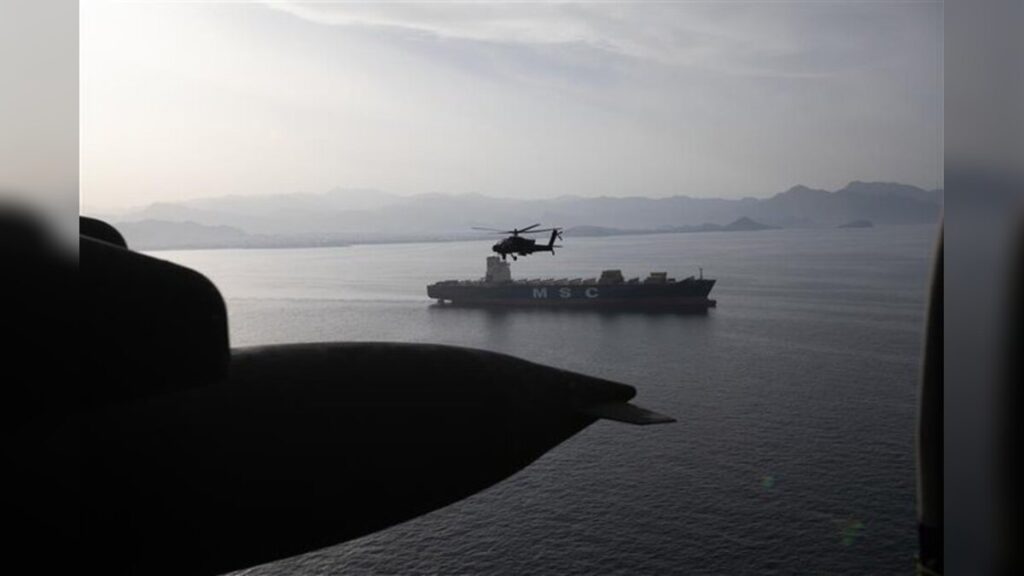
The United Arab Emirates significantly increased crude oil exports through the Strait of Hormuz during the Iran conflict by relying on covert shipping operations and a rapidly expanded fleet controlled by South Korea’s Sinokor Group, according to vessel-tracking data and industry sources.
The strategy enabled Abu Dhabi to restore oil flows close to pre-war levels before the United States and Iran reached an interim peace agreement, helping maintain exports despite widespread disruption across one of the world‘s most critical energy corridors.
Covert Shipping Network Helped Keep Oil Flowing
As security risks mounted in the Persian Gulf, the UAE adopted tactics more commonly associated with sanctioned oil exporters.
Tankers carrying Emirati crude reportedly sailed with their tracking transponders switched off, often traveling at night before transferring cargo to larger vessels waiting outside the Strait of Hormuz. After completing the ship-to-ship transfers, the tankers returned to UAE ports to repeat the process.
The operations allowed crude exports to continue while reducing exposure to the security risks affecting the narrow waterway during the conflict.
Sinokor Emerged as a Key Shipping Partner
Central to the operation was Seoul-based Sinokor Group, whose aggressive expansion in the global tanker market positioned it to provide the vessels required for repeated shuttle voyages.
Beginning in mid-April, the company started leasing very large crude carriers (VLCCs) to Abu Dhabi National Oil Co. (Adnoc) for the shuttle operations.
According to shipping analytics data, vessels controlled by Sinokor were transporting nearly half of the UAE’s crude exports by June, making the company one of the most influential participants in the country’s wartime export strategy.
Neither Sinokor nor Adnoc disclosed details of the arrangements. Adnoc’s shipping and logistics division said it does not comment on vessel routing or operational matters.
UAE Increased Exports Despite Regional Disruptions
The additional tanker capacity enabled the UAE to expand shipments through Hormuz more quickly than many neighboring Gulf producers.
By maintaining export volumes during a period of elevated oil prices, Adnoc was able to capitalize on strong market conditions while helping offset some of the supply disruptions caused by restrictions in the Strait of Hormuz.
Following the US-Iran interim peace agreement, the company gradually resumed more conventional shipping operations, with vessels once again sailing through the strait using active tracking systems.
Tanker Boom Generated Windfall Profits
The wartime shipping strategy also proved highly profitable for Sinokor.




Industry brokers estimate that tanker owners operating inside the Gulf during the conflict earned freight rates three to four times higher than before hostilities began.
Although contract terms remain confidential, shipping specialists estimate that just three Sinokor vessels operating shuttle services since April could have generated between $60 million and $120 million in revenue.
Even after the ceasefire, Sinokor has continued deploying additional supertankers into the Persian Gulf while marketing its services to transport crude from producers across the region.
Expansion Followed Massive Fleet Acquisition
Sinokor’s ability to respond to the crisis stemmed from an ambitious expansion that began late last year.
Backed by Mediterranean Shipping Company (MSC), the Korean shipping firm rapidly acquired and chartered large numbers of VLCCs, transforming itself from a relatively modest tanker operator into one of the world’s largest controllers of available supertankers.
By February, industry estimates suggested Sinokor controlled approximately 150 VLCCs, representing a substantial share of the global fleet available for spot-market crude transportation.
The expansion had already tightened tanker availability before military action further disrupted shipping through the Gulf.
“Dark” Voyages Became Increasingly Common
During the early stages of the conflict, few commercial operators were willing to risk sailing through the Strait of Hormuz.
As security concerns intensified, some shipping companies began conducting so-called “dark transits,” navigating with vessel tracking systems disabled.
Industry participants say the practice gradually spread as exporters sought ways to move crude despite ongoing threats.
For UAE cargoes, tankers typically loaded at terminals including Zirku and Das Island before sailing toward the Gulf of Oman, where ship-to-ship transfers enabled oil to continue to international markets.
Sources familiar with the operations said many voyages were conducted under cover of darkness, with ships traveling in convoys close to the Omani coastline.
Data Suggests Large Volumes Continued Leaving the Gulf
Shipping intelligence platforms estimate that Sinokor vessels transported an average of at least 680,000 barrels of UAE crude per day beginning in April.
Those volumes reportedly increased to approximately 1.4 million barrels daily in June, with at least 10 Sinokor-operated tankers participating in shuttle operations between UAE export terminals and transfer points in the Gulf of Oman.
Because many voyages occurred with tracking systems disabled, analysts caution that actual export volumes may have been considerably higher.
Peace Agreement Opened the Door for Increased Shipping
Following the interim agreement between Washington and Tehran, more tankers resumed normal operations through the Strait of Hormuz, gradually easing concerns over regional supply.
Although freight rates have retreated from wartime peaks, they remain above historical averages as vessel demand continues.
Sinokor has maintained an active presence in the market, dispatching numerous additional supertankers into the Gulf in recent weeks while seeking new cargo opportunities from Iraq and other regional producers.
Industry analysts say the company’s willingness to operate during periods of elevated risk has helped reshape tanker markets while positioning it among the biggest commercial beneficiaries of the disruption to global energy trade.
