
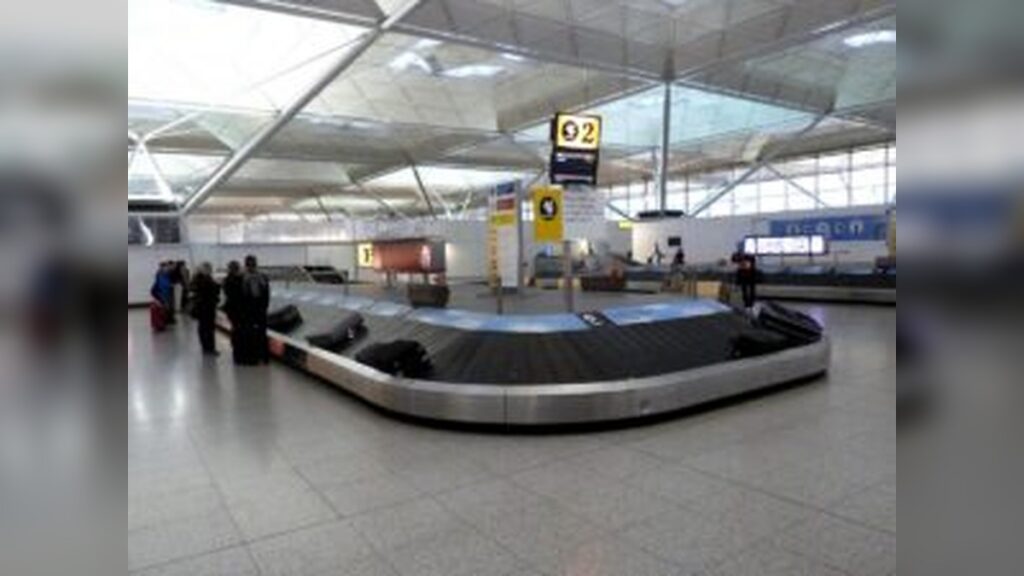
As the countdown to the 2026 FIFA World Cup continues, reports emerging from multiple teams and officials suggest that stricter U.S. border and security procedures are already shaping the experience of participants arriving for preparatory matches and tournament logistics.
The heightened checks have sparked debate over whether immigration enforcement is overshadowing the spirit of global football.
Teams Report Rigorous Checks at Airports and Stadiums
Several national squads have described encountering unusually intensive screening processes upon entering the United States.
The Uzbekistan national team, which arrived in New York on June 8 for a friendly against the Netherlands, was reportedly subjected to detailed inspections at Icahn Stadium, including metal detection scans and baggage checks supported by sniffer dogs.
Witnesses said the Dutch team did not appear to face the same level of scrutiny, raising questions among observers about inconsistent enforcement procedures.
A similar pattern was reported in Texas involving the Senegal national team, where footage circulating online showed players being screened directly on the airport tarmac.
In one instance, an officer was seen carefully inspecting a player’s footwear during a metal detector check.
Iran Adopts Restricted Travel Strategy Amid Visa Challenges
The Iranian national team has reportedly been among the most affected by tightened entry procedures. Officials linked to the squad say the team plans to remain based in Mexico for the duration of the tournament, only entering the United States on match days before leaving immediately afterward.
Additional reports from Iranian media claim that visa applications for 15 members of the delegation—including federation officials, technical staff, and media personnel—were rejected by U.S. authorities.
Despite these restrictions, the team has received a warm reception in Mexico, where supporters gathered with national flags to welcome their arrival.



Detentions and Entry Refusals Affect Officials and Staff
On June 6, Iraqi international striker Aymen Hussein was reportedly detained at Chicago O’Hare International Airport after arriving for tournament-related activities.
Authorities are said to have questioned him for several hours and examined personal devices before granting entry.
However, not all members of the delegation were admitted.
An Iraqi team photographer was reportedly denied entry following an interrogation that lasted more than ten hours.
In another widely reported case, FIFA-confirmed referee Omar Abdulkadir Artan from Somalia was refused entry into the United States despite holding official documentation and an invitation linked to the tournament.
The official, who had been recognized as Africa’s top referee in 2025, was selected by the Confederation of African Football to officiate World Cup matches but was ultimately turned away after additional screening.
Political and Sporting Figures Raise Concerns
The growing number of entry complications has drawn criticism from political leaders and figures within the football community.
New York City Mayor Zohran Mamdani described visa-related refusals as incompatible with the global nature of the tournament, warning that restrictions could undermine the event’s international identity.
Former England and Arsenal striker Ian Wright also voiced strong objections following reports of the Somali referee’s denial of entry.
He questioned whether the situation reflected the values expected of hosts staging one of the world’s largest sporting events.
Wright emphasized concerns over rising costs for fans and participants, alongside what he described as contradictory treatment of officials and players arriving for the competition.
Broader Debate Over Immigration and Tournament Atmosphere
The 2026 FIFA World Cup, set to begin on June 11 across 16 cities in the United States, Canada, and Mexico, is already facing scrutiny beyond the pitch.
Reports suggest that supporters and some visiting fans are encountering more complex visa processes, while undocumented migrants within the United States are reportedly hesitant to attend matches due to fears of enforcement activity.
U.S. authorities have stated that tournament security will focus on preventing issues such as counterfeit ticket sales, human trafficking, and drug smuggling.
However, they have not clarified the extent to which immigration enforcement will be conducted near stadiums.
Public opinion remains divided. A University of Maryland study indicates that 65% of Americans oppose routine immigration enforcement presence at World Cup venues, reflecting ongoing tensions between security policy and the tournament’s global, inclusive identity.

