
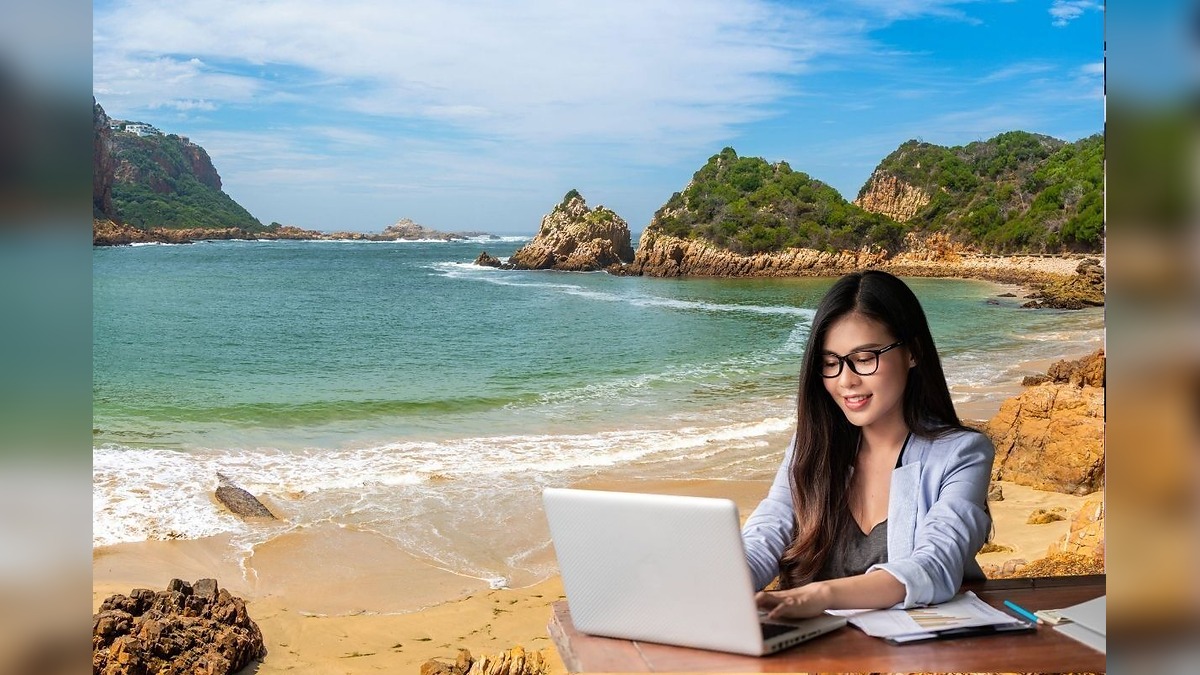
South Africans who work remotely can explore opportunities to live abroad while continuing to work for employers or clients based in other countries. Several destinations offer digital nomad visas or similar arrangements that allow eligible foreign workers to stay legally while earning income remotely.
The requirements vary by destination, with some countries setting minimum monthly income levels and others requiring proof that applicants can support themselves during their stay. Health or travel insurance and evidence of remote employment may also be necessary.
Mauritius, Namibia and Seychelles offer specific programmes for remote workers, while South Africans can stay in Georgia without applying for a dedicated digital nomad visa. Cape Verde, meanwhile, does not accept South African citizens under its digital nomad programme.
Mauritius Offers a Free Premium Visa for Up to One Year
Mauritius is one option for South Africans seeking a remote-working destination relatively close to home. Its Premium Visa allows eligible applicants to stay for up to one year, with the possibility of renewal.
Applicants must demonstrate a monthly income of at least $1,500, equivalent to approximately R24,675, per adult. An additional $500, or around R8,225, per month is required for each dependent child.
The government visa itself is free.
However, holders cannot take up local employment in Mauritius. South Africans planning an extended stay should also consider their tax position, as spending more than 183 days in the country may result in becoming a Mauritian tax resident.
Namibia Sets Income Requirements for Digital Nomad Applicants
Namibia offers a digital nomad visa for remote workers who want to live in the neighbouring country while continuing to work for employers or clients based elsewhere.
According to the Namibia Investment Promotion and Development Board (NIPDB), applicants must earn at least $2,000 per month, equivalent to approximately R32,900.
Additional monthly income requirements apply to accompanying family members. Applicants must demonstrate an extra $1,000, or around R16,450, for a spouse and $500, or approximately R8,225, for each accompanying child.
The visa permits a stay of up to six months. Applicants must also have health or travel insurance and work for companies or clients based outside Namibia. The NIPDB submits a motivation letter as part of the application process.




One important restriction is that the visa is not multiple-entry, meaning applicants are expected to remain in Namibia throughout the authorised period.
Seychelles Allows Remote Workers to Stay for Up to One Year
Seychelles offers a Workcation Retreat Programme for people who want to live in the island nation while working remotely.
The programme allows eligible applicants to stay for up to one year. Unlike Mauritius and Namibia, Seychelles does not specify a fixed minimum monthly income for applicants.
However, applicants must provide evidence that they can financially support themselves and any dependants during their stay.
Those intending to use the programme must apply online for a Visitors Workcation Permit at least two weeks before travelling.
Georgia Allows South Africans to Stay Visa-Free for One Year
South Africans do not need a special digital nomad visa to stay in Georgia for up to one year under its visa-free entry arrangements.
However, travellers must meet the country’s entry requirements, including a compulsory health and accident insurance requirement introduced on 1 January 2026.
The policy requires minimum insurance coverage of GEL30,000, equivalent to approximately R181,000.
According to Georgia’s Ministry of Foreign Affairs, border officials check visitors’ insurance documents upon arrival. Travellers who cannot provide valid cover may be refused entry.
South Africans considering Georgia for remote work should therefore arrange the required insurance before departure.
South Africans Are Not Eligible for Cape Verde’s Digital Nomad Programme
Cape Verde is frequently included in discussions about destinations offering digital nomad visas, but its programme is not open to South African citizens.
The scheme is restricted to citizens of Europe, North America, Portuguese-speaking countries and West African states. South Africans are not eligible under the programme’s stated nationality requirements.
Remote workers from South Africa therefore need to consider other destinations or investigate alternative immigration arrangements if they wish to stay in Cape Verde.
What South Africans Should Check Before Working Abroad
Before moving to another country, remote workers should confirm that their employer permits them to work internationally. Approval may be necessary even when their employment contract already allows remote work.
Tax obligations also require attention. South Africans should check their position with the South African Revenue Service (SARS), as working abroad or spending extended periods outside the country can affect their tax circumstances.
Applicants should also arrange the correct health or travel insurance and verify the latest visa conditions through official government websites before making travel arrangements.
Although digital nomad programmes provide opportunities to work from another country, eligibility, income thresholds, permitted activities and length-of-stay rules differ between destinations.

