
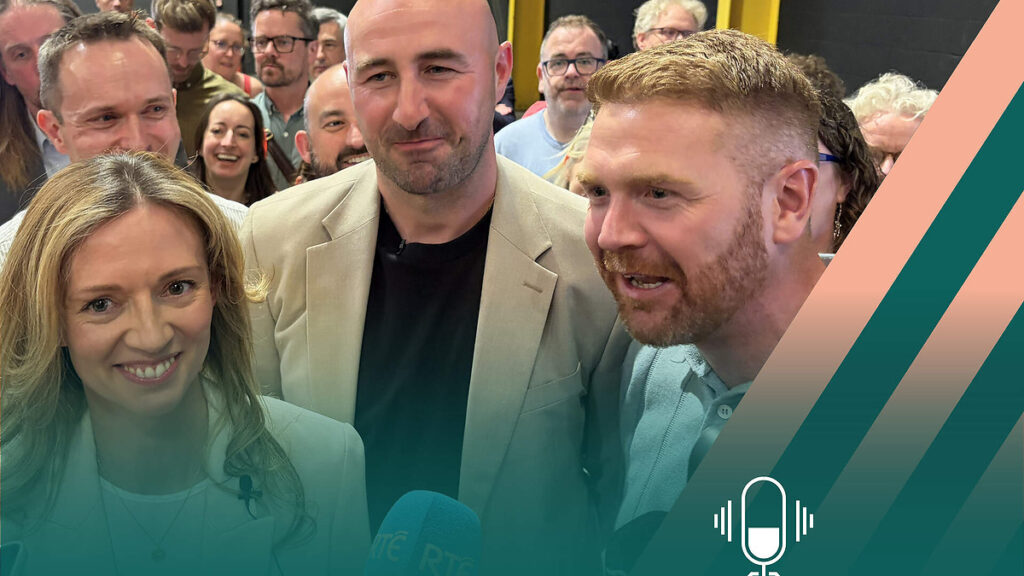
Counting day in Dublin Central and Galway West unfolded like a slow political chess match, with early tallies shifting attention back and forth between the two constituencies.
By mid-afternoon, clear patterns began to emerge, even as transfers under Ireland’s proportional representation system kept outcomes fluid and uncertain.
The by-elections were triggered by high-profile vacancies left by Catherine Connolly’s move to the presidency and Paschal Donohoe’s departure from domestic politics, setting the stage for a closely watched test of party strength.
Dublin Central: Early Lead for Social Democrats
In Dublin Central, the race quickly tightened around two frontrunners: Daniel Ennis and Janice Boylan.
Ennis edged ahead on first preferences with just under 5,000 votes, narrowly surpassing Boylan, who remained close behind throughout early counts.
That small gap—only a few hundred votes—became the defining feature of the race.
Behind them, the contest for transfers also shaped expectations.
Green Party support, especially from candidates like Janet Horner, appeared likely to benefit the Social Democrats, while independent votes—including those from Gerry Hutch—added unpredictability to later stages.
Fianna Fáil’s showing was notably weak, with John Stephens polling poorly compared to historical performance in the constituency, reinforcing broader concerns within the party about urban support.
Galway West: A Three-Way Battle at the Top
In Galway West, the spotlight fell on a tight contest involving Noel Thomas and Fine Gael’s Seán Kyne, with Labour’s Helen Ogbu also in the mix.
Thomas consistently led or stayed ahead in successive counts, building a narrow but persistent advantage.
Kyne remained close behind, with only a small margin separating the two at multiple stages.




Labour’s Ogbu held third place, relying heavily on transfers to stay competitive, while Fianna Fáil’s candidate lagged further behind, reflecting a difficult night for the party across both constituencies.
The Role of Transfers and Ireland’s Voting System
Much of the uncertainty came from Ireland’s PR-STV system, where voters rank candidates in order of preference.
That means first-count leads rarely guarantee victory.
As eliminated candidates redistributed their votes, smaller parties and independents played an outsized role in shaping the final outcome.
In Dublin, Green Party transfers were especially important, while in Galway, left-leaning transfers became a key battleground.
This system often produces late swings, keeping counts open well into the evening.
Political Signals Emerging from the Counts
Beyond individual seat races, several broader trends began to stand out.
Fianna Fáil’s weak performance in Dublin Central raised fresh questions about its urban appeal.
Meanwhile, the Social Democrats appeared to strengthen their position as a growing force in Dublin politics, potentially securing multiple seats in a single constituency for the first time.
Sinn Féin remained competitive but faced tight margins that suggested transfer dynamics—not just first preferences—would determine their final success.
Impact and Consequences
The results, even in their early stages, carried symbolic weight:
- Social Democrats momentum: A strong showing for Daniel Ennis signalled continued growth in Dublin’s urban constituencies.
- Fianna Fáil pressure: Poor results intensified scrutiny of leadership and urban strategy.
- Fine Gael competitiveness in Galway: Seán Kyne remained firmly in contention, keeping government representation in play.
- Independent strength: Candidates like Noel Thomas demonstrated the continuing appeal of localised, non-party politics in rural constituencies.
What’s Next?
Final counts will depend heavily on transfers as lower-ranked candidates are eliminated one by one.
Dublin Central in particular remains finely balanced, with only a small margin separating the top contenders.
Observers expect the decisive stages to come late in the counting process, once Green, Labour, and independent votes are redistributed.
In Galway West, the battle between Thomas and Kyne is likely to continue until the final rounds, with Labour’s transfers potentially acting as kingmakers.
Summary
Both constituencies produced highly competitive by-elections defined by narrow margins, shifting transfers, and strong performances from smaller parties.
Dublin Central looked set for a close finish between the Social Democrats and Sinn Féin, while Galway West remained a three-way contest with independents and Fine Gael leading the charge.
Bulleted Takeaways
- Social Democrats’ Daniel Ennis led early counts in Dublin Central
- Sinn Féin’s Janice Boylan remained a close challenger throughout
- Independent Ireland’s Noel Thomas consistently led in Galway West
- Fine Gael’s Seán Kyne stayed within striking distance in Galway West
- Transfers under PR-STV are expected to decide final outcomes
- Fianna Fáil suffered a particularly weak urban performance
- Smaller parties and independents played a decisive role in shaping results

