
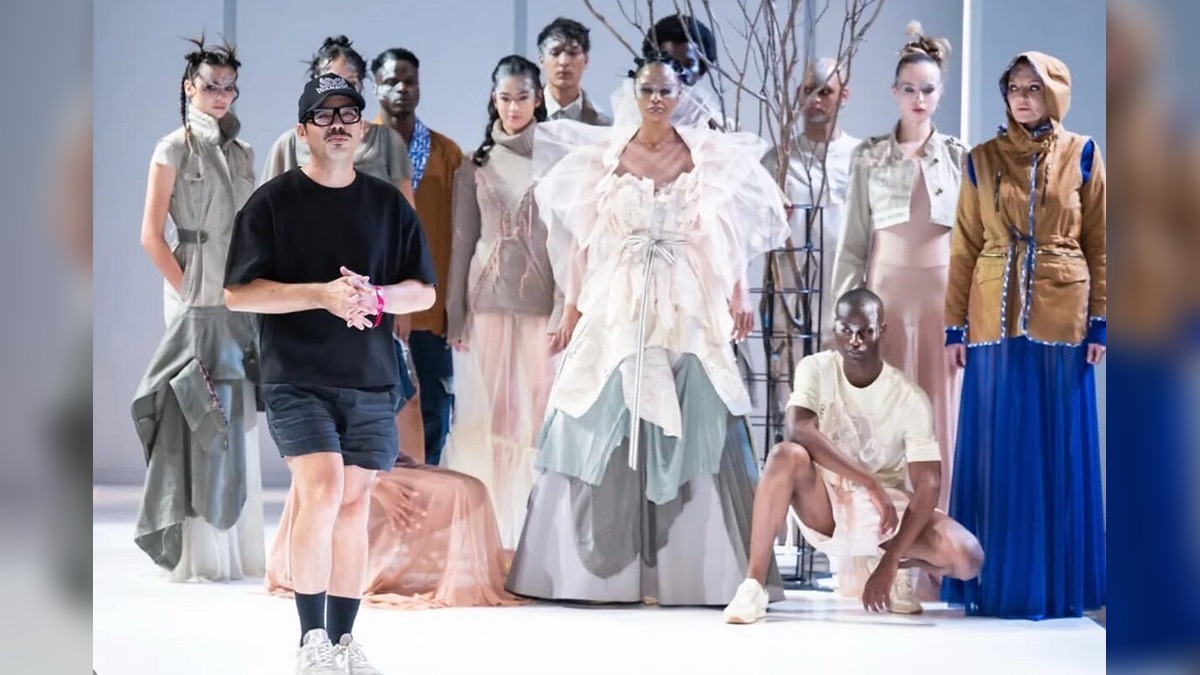
Second-hand designer shoes, handbags and sunglasses have featured in recent South African fashion shows, with local designers incorporating pre-owned luxury accessories into their latest collections.
The trend appeared at South African Fashion Week in Johannesburg on 23 October and Fame Week Africa’s African Fashion Forum in Cape Town on 28 October.
The runway presentations featured accessories from established international luxury brands, highlighting the use of pre-owned fashion in new collections.
Craig Jacobs Incorporates 12 Pairs of Designer Shoes
At South African Fashion Week, designer Craig Jacobs used 12 pairs of pre-owned luxury shoes to style his The New Earth collection for his Fundudzi label.
The collection was presented under the event’s theme, “Wear what’s in your wardrobe”.
The shoes, supplied by South African luxury reseller Luxity, included Jimmy Choo stilettos, Tod’s sandals and Louis Vuitton loafers. They were used without being altered.
Jacobs’ collection drew inspiration from Southern Africa’s geological landscapes and featured garments reworked from surplus and discarded clothing.
He said The New Earth explored transformation and the value of items that people often consider disposable. The use of second-hand shoes supported the collection’s focus on circular fashion and keeping clothing and accessories in circulation for longer.




Cape Town Fashion Show Features Pre-Owned Luxury Accessories
Pre-owned designer accessories also appeared at Fame Week Africa’s African Fashion Forum in Cape Town on 28 October.
The runway show, titled Tastes + Threads, brought together local fashion labels Urban Zulu, House of Xandria and Thethana/Emotives.
The designers paired their collections with second-hand luxury accessories, including a Balenciaga handbag and Bottega Veneta sunglasses.
Vintage Fashion and Environmental Concerns Drive Interest
The use of pre-owned designer pieces on South African runways reflects a wider international interest in archive and vintage fashion, with older luxury items increasingly appearing at fashion events and on red carpets.
The trend also draws attention to the environmental impact of the fashion industry.
The Ellen MacArthur Foundation estimates that the equivalent of one rubbish truckload of clothing is burnt or sent to landfill every second.
Buying second-hand clothing and accessories provides another way to keep existing products in use. It can also make luxury brands more accessible to shoppers who may not be able to afford their original retail prices.
According to Luxity, 57.7% of purchases made through its platform cost less than R10,000.
Where to Find Pre-Owned Designer Fashion
Consumers can find second-hand fashion through charity shops, vintage stores, consignment boutiques and online marketplaces.
However, buyers looking for designer products are advised to take precautions against counterfeit items.
Recommended checks include asking sellers how products are authenticated and choosing retailers that inspect items before offering them for sale.
Buyers should also request detailed photographs showing labels, serial numbers and signs of wear. Prices that appear unusually low, particularly in social media listings, should be treated with caution.
Secure payment methods that provide buyer protection are also recommended instead of transferring money directly to unfamiliar sellers.
