
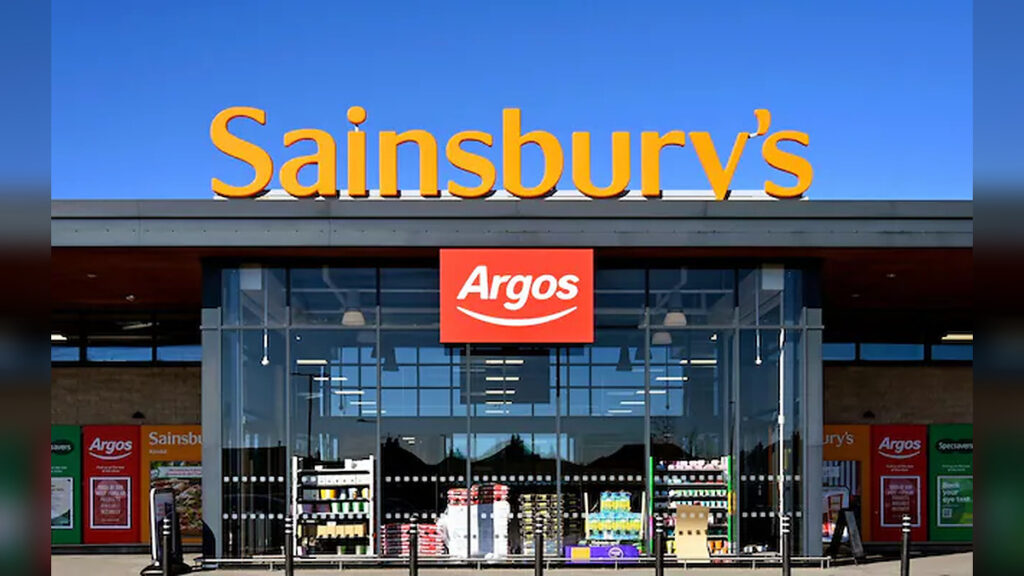
Sainsbury’s has reached an agreement to sell Argos to retail investment firm Swift Partners in a deal valued at £120 million, marking the end of its decade-long ownership of the general merchandise retailer.
The transaction represents a major strategic shift for the supermarket group as it sharpens its focus on food retailing while handing Argos over to an experienced team of retail executives.
Deal Structure Includes Upfront Cash Payment
The agreement will provide Sainsbury’s with cash proceeds of at least £120 million.
An initial payment of £70 million will be made once the acquisition is completed in 2027, with the remaining proceeds following under the terms of the transaction.
The sale is expected to close by February 2027, while the operational separation of the two businesses is scheduled to be completed by February 2029.
Swift Partners Takes Control of Stores and Key Operations
Under the agreement, Swift Partners will acquire the entire Argos retail business, including both its standalone locations and the outlets operating inside Sainsbury’s supermarkets through a long-term arrangement.
The acquisition also covers Argos’ nationwide logistics infrastructure, pet insurance operations, product warranty services, Sainsbury’s distribution centre in Daventry, and the retailer’s sourcing offices in Shanghai and Hong Kong.
Swift Partners is a newly established investment vehicle led by prominent retail figures, including former Co-operative Group chief executive Richard Pennycook and former Morrisons chief operating officer Trevor Strain.
The venture is backed by investor Matt Truman and True Capital.
Sainsbury’s Prioritises Core Grocery Business
Chief executive Simon Roberts said the company carefully assessed the future of Argos before deciding to proceed with the sale.
He described the transaction as an opportunity for Sainsbury’s to concentrate fully on its primary food retail operations while allowing Argos to pursue growth under specialist ownership.




The move aligns with Sainsbury’s broader strategy of strengthening its supermarket business amid intense competition across the UK grocery sector.
New Owners See Growth Potential for Argos
Although Argos has spent recent years reducing its high street presence by relocating many outlets into Sainsbury’s supermarkets, Swift Partners believes there is room for expansion.
Richard Pennycook indicated that new standalone Argos stores could return in areas where Sainsbury’s has little or no presence.
He also emphasized that there are currently no major plans for workforce reductions, describing the transition as “business as usual” while the company pursues future growth opportunities.
Swift also confirmed that Argos will continue its existing relationships with Habitat and the Nectar loyalty programme.
Sale Ends a Decade-Long Ownership
Sainsbury’s originally acquired Argos in 2016 through its £1.4 billion takeover of Home Retail Group, which also included the Habitat brand.
Since then, the retailer has steadily integrated Argos into its supermarket network while reducing the number of traditional high street outlets.
The latest deal follows an earlier unsuccessful attempt to sell Argos to Chinese e-commerce company JD.com.
Years of Financial Pressure Prompt Strategic Exit
Argos has struggled to match the growth of online competitors offering lower prices and faster digital services.
Retail analysts increasingly viewed the chain as a financial drag on Sainsbury’s, particularly as the supermarket battled rivals including Tesco, Aldi and Lidl.
Earlier this year, disappointing Christmas trading reignited concerns over Argos’ performance, with analysts suggesting the business had become a distraction from Sainsbury’s more profitable grocery operations.
Shore Capital retail analyst Clive Black said Argos had delivered inconsistent financial results in recent years, making it a frequent source of investor concern despite its strong consumer recognition.
Heritage Brand Looks Toward a New Future
Argos remains one of the UK’s largest general merchandise retailers and operates one of the country’s most-visited retail websites.
The company built its reputation through its famous catalogue, where customers selected products before collecting them from store counters rather than browsing shelves.
Although the iconic catalogue was discontinued in 2020 as the business accelerated its digital transformation, Pennycook suggested the brand’s heritage could still influence its future.
While declining to reveal specific plans, he acknowledged the catalogue’s historic importance and stressed that any future strategy would balance Argos’ legacy with the changing expectations of modern shoppers.
