
The Department of Basic Education (DBE) has urged the City of Tshwane to restore electricity and water services to its Pretoria headquarters without delay, insisting that its municipal account is fully paid and should never have been disconnected.
The department warned that legal action could follow if the municipality fails to reverse the disconnection promptly.
City Links Disconnection to Outstanding School Debt
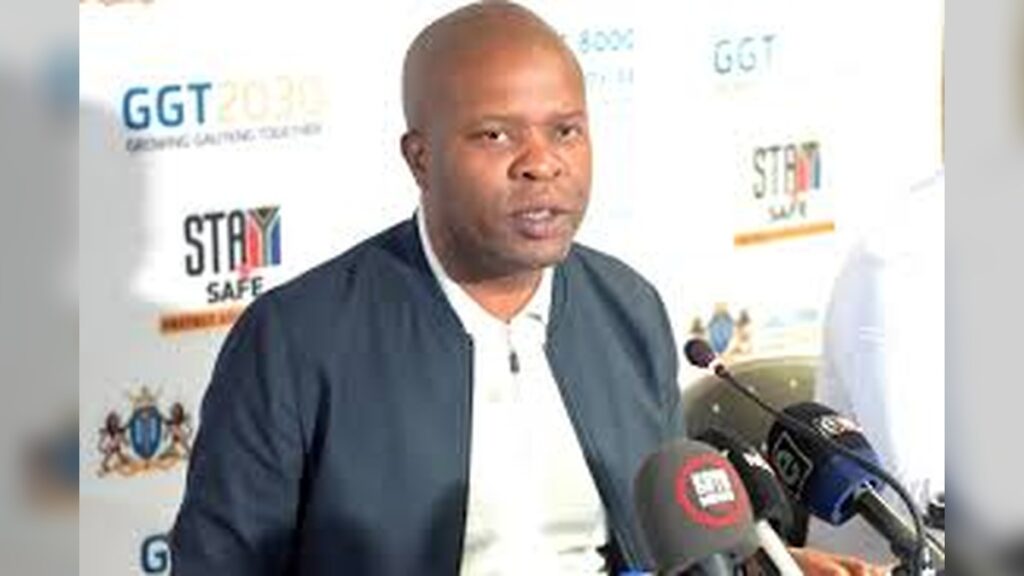
The dispute arose after Tshwane Mayor Dr. Nasiphi Moya announced that municipal officials had disconnected services at the department’s Struben Street offices over unpaid municipal accounts linked to schools within the metro.
According to the city, more than 200 schools owe a combined debt exceeding R104 million, prompting the municipality to take action.
Department Rejects Claims of Outstanding Payments
The national education department has strongly disputed the mayor’s explanation, saying its own municipal account is not in arrears.
In a statement, the department said it had been informed that its electricity account is actually in credit, dismissing suggestions that it owed money to the municipality.
Officials stressed that there was no basis for disconnecting services at the department’s head office.
Responsibility Lies With Provincial Education Authorities
The DBE argued that the debt cited by the municipality relates to individual public schools operating within the Tshwane metropolitan area rather than the national department itself.



It explained that those schools fall under the administration of the Gauteng Department of Education, which is responsible for managing their financial obligations, including municipal service payments.
The department maintained that the national office cannot be held liable for debts incurred by schools administered at provincial level.
City Manager Reportedly Admits Error
According to the department, the City of Tshwane’s city manager informed its director-general that the utility disconnection had been carried out mistakenly.
The department said it had been advised that municipal officials had intended to target district education offices associated with indebted schools, rather than the national department’s headquarters.
Despite that explanation, the DBE insists the municipality must immediately reconnect electricity and water services.
Legal Action Remains an Option
The department warned that if the services are not restored without further delay, it is prepared to seek relief through the courts.
Officials described the situation as unacceptable and said the municipality must urgently correct what they view as an administrative error.
National Department Explains Funding Structure
The DBE also clarified how school utility costs are funded within South Africa’s education system.
It said electricity and other municipal expenses for public schools are covered through the provincial equitable share allocated to provincial education departments.
As a result, these payments are not processed through the national Department of Basic Education’s municipal account, nor is the national department legally responsible for settling those obligations.
Standoff Highlights Funding Responsibilities
The disagreement has brought renewed attention to the division of responsibilities between national, provincial and municipal authorities.
While Tshwane seeks to recover millions of rand in unpaid municipal charges from schools, the national education department maintains that disconnecting services at its headquarters was both unjustified and based on a misunderstanding of which government entity is responsible for the outstanding accounts.

