
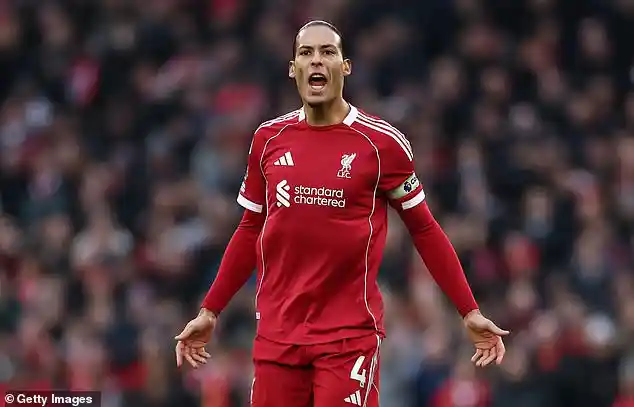
Football has always been a high-pressure environment, and players know that poor performances come with scrutiny.
But Liverpool captain Virgil van Dijk believes the tone of criticism from retired players-turned-pundits has gone too far.
The Dutch defender says former stars need to consider how their words affect young footballers, particularly in an era where social media amplifies every mistake.
A Message to Former Stars
Speaking with Sky Sports’ Gary Neville ahead of Liverpool’s clash with Manchester City at Anfield, Van Dijk was clear: criticism is part of the game, but there is a line between fair analysis and careless provocation.
He stressed that while he personally can handle criticism, he worries about the next generation of players coming into the professional game.
The modern football landscape exposes them to constant online commentary, much of it harsh or dismissive, which can take a toll on their mental wellbeing.
The Rooney Incident
This isn’t the first time Van Dijk has spoken out about pundit criticism.
Earlier this season, he clashed publicly with Wayne Rooney, dismissing the former Manchester United captain’s remarks as “lazy.”
That incident sparked debate about the role of former players in media commentary and whether they carry a responsibility toward current professionals.
Now, Van Dijk’s concern has widened beyond personal disagreements, focusing on how media culture impacts all players, particularly young stars.
When Criticism Becomes Clickbait
Van Dijk made it clear that he welcomes honest criticism.
That’s part of football.
However, he believes too much commentary today is designed for clicks and controversy rather than informed analysis.
Words are chosen to provoke reactions, and sometimes little thought is given to the consequences for a player’s mental health.
This, he explained, is especially harmful for younger players who are constantly exposed to social media.




A single mistake can spiral online, attracting endless commentary and abuse, far beyond the traditional match report or pundit show discussion.
Supporting Young Players
The Liverpool captain admitted that he advises younger teammates to avoid social media when possible.
But he recognizes how difficult it is to do that when criticism turns into personal attacks or online bullying.
The mental pressure on today’s players, he noted, is unlike anything previous generations faced.
Van Dijk’s comments echo a growing concern across football about mental health and the responsibilities of both media and clubs to support players under constant scrutiny.
Liverpool’s Challenging Season
Van Dijk’s statements come at a difficult time for Liverpool.
After winning the Premier League in Arne Slot’s first season, the Reds have struggled this year, sitting sixth in the table and 14 points behind leaders Arsenal.
Their defence, anchored by Van Dijk, has conceded 33 goals in just 24 matches, a far cry from their title-winning form.
The criticism of Liverpool’s results has been intense, and Van Dijk acknowledges that some of it is fair.
But he also distinguishes between legitimate analysis and disrespectful commentary that adds little value.
Defending Arne Slot
Despite the difficulties, Van Dijk urges patience with manager Arne Slot.
He reminded everyone that Liverpool is a club that rarely makes rash decisions and that Slot deserves the time and respect to turn the season around.
For Van Dijk, the current struggles are part of a broader process that, with unity and effort, can still lead to a positive outcome.
The Bigger Picture
Van Dijk’s comments reflect a wider issue in modern football.
The combination of social media, sensationalist punditry, and young players’ exposure has created an environment where criticism can easily tip into personal attacks.
Mental health support is now a key part of football at the club level, but the culture of instant, often harsh judgment remains a challenge.
What’s next?
Liverpool’s upcoming game against Manchester City is more than just a match; it’s an opportunity to show that the team can respond under pressure.
At the same time, Van Dijk’s message to ex-players and media voices is unlikely to fade.
As football continues to evolve, the responsibility of those commenting on the game will remain a hot topic, and the new generation of players will be watching closely.
Summary
Virgil van Dijk has warned that former players working as pundits must consider the impact of their words on young footballers.
He believes criticism is part of the game, but clickbait and disrespectful commentary can harm players’ mental health.
With Liverpool struggling in their title defence under Arne Slot, Van Dijk emphasizes that some criticism is fair, but respect and patience are essential.
He continues to back Slot and the team, calling for the right balance between honest critique and thoughtful support for the next generation of footballers.
