
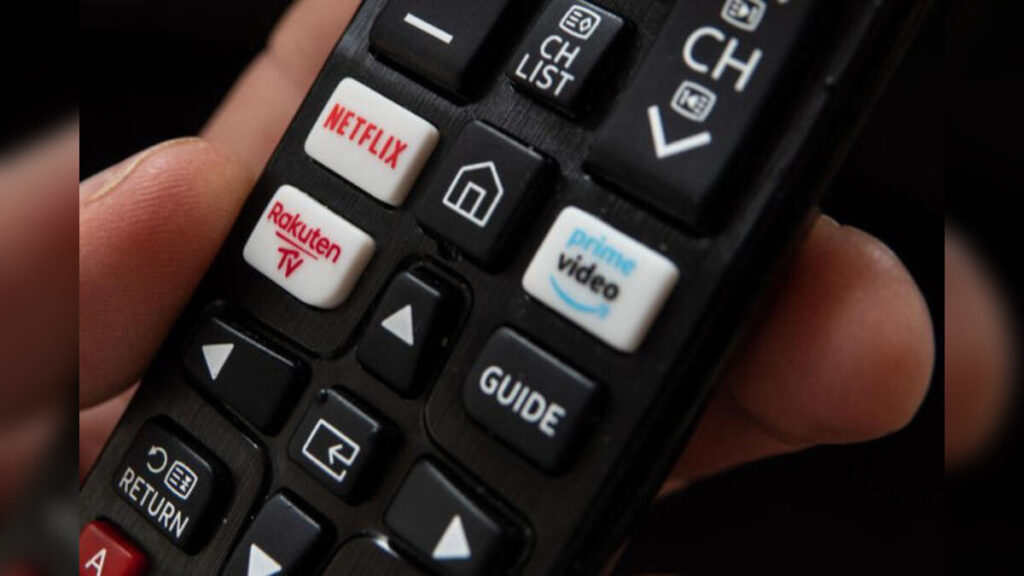
Millions of households who subscribe to streaming services such as Netflix, Amazon Prime Video, Disney+, and Apple TV+ could soon face an unexpected extra bill under proposals being considered by the Labour government for the future of the BBC funding system.
Industry insiders claim ministers are increasingly leaning toward expanding the current TV licence system so that people using streaming platforms would also have to contribute financially to the BBC — even if they rarely or never watch BBC content.
The discussions come as the government prepares for the end of the BBC’s current royal charter in December 2027, a moment that could trigger one of the biggest changes to British broadcasting finance in decades.
Streaming Viewers Could Lose Current Exemption
At present, viewers in the UK are only legally required to hold a TV licence if they watch live television broadcasts or use BBC iPlayer.
That means many households can legally stream on-demand series such as Stranger Things on Netflix or The Boys on Amazon Prime Video without paying the annual licence fee, currently set at around £180.
The proposed changes could remove that distinction entirely.
Under the reported plan, anyone subscribing to streaming platforms could be required to contribute toward BBC funding regardless of whether they consume BBC programming.
Watching live sports events, live boxing broadcasts, or live football matches on streaming services already triggers the licence requirement, but Labour is said to be examining whether all streaming activity should fall under the same rules.
Ministers Fear Alternative Models Could Damage Broadcasters
Sources familiar with the discussions say Labour ministers are cautious about introducing advertising into the BBC or moving the broadcaster entirely toward a subscription-based system.
Officials reportedly believe those alternatives could weaken commercial broadcasters such as ITV and Channel 4 by intensifying competition for advertising revenue and paid subscribers.
Instead, expanding the licence fee to include streaming services is reportedly viewed by some within government as the least disruptive option for the wider media industry.
Lisa Nandy Warns Against Fragmenting the BBC Audience
Lisa Nandy has previously spoken publicly about her concerns over transforming the BBC into a subscription-only platform.
She argued that one of the broadcaster’s greatest strengths is its ability to bring together audiences across the country at a time when social and political divisions have deepened.
Nandy suggested that introducing paywalls or subscription barriers could undermine the BBC’s role as a shared national institution.
While she did not directly confirm the streaming proposal, her earlier comments indicate ministers are actively weighing how to preserve the broadcaster’s universal reach.
BBC Faces Growing Financial Pressure
The debate arrives during a difficult financial period for the BBC.



The corporation says its income has fallen significantly over the past decade, forcing major cost-cutting measures.
Plans already announced include hundreds of millions of pounds in savings and the loss of around 2,000 jobs over the next two years.
Internal BBC documents published earlier this year argued that the current licence model is becoming increasingly outdated because viewing habits have shifted dramatically toward on-demand streaming.
According to the broadcaster, while roughly 94 percent of the UK population still uses BBC services each month across television, radio, and online platforms, only about 80 percent currently pay the licence fee.
The BBC warned that fewer people now consume traditional live television, creating growing holes in the existing funding structure.
Streaming Companies and Industry Figures Push Back
The idea of adding licence costs to streaming subscriptions is already causing concern within the entertainment industry.
Executives linked to streaming services reportedly believe the proposal unfairly forces customers to fund a broadcaster they may never use.
One senior industry figure described the idea as a desperate attempt to preserve the current BBC funding system instead of exploring more innovative revenue models.
Critics also argue consumers are already under pressure from rising subscription costs across multiple platforms and may resist being charged additional mandatory fees.
Government Still Considering Several Options
Although the streaming expansion proposal is attracting attention, ministers have not yet confirmed any final decision.
The Department for Culture, Media and Sport said the government is still reviewing consultation responses linked to the BBC Charter Review and plans to release a formal white paper later this year.
Several possible alternatives remain under discussion, including:
- Allowing the BBC to carry advertising
- Introducing a dedicated tax on streaming platforms
- Charging audiences for BBC radio services
- Funding the BBC through general taxation
- Creating a subscription-based BBC model
- Keeping the current licence fee system largely unchanged
- Introducing a tiered payment structure where wealthier households pay more
The final outcome could significantly reshape how British public broadcasting is funded in the years ahead.
Impact and Consequences
If Labour proceeds with the expanded licence proposal, millions of streaming subscribers across the UK could see their entertainment costs rise even if they never watch BBC channels or use BBC iPlayer.
The move could also intensify tensions between the government, streaming giants, and consumers already frustrated by rising living costs.
Broadcasters may face renewed debate about whether public-service media should still rely on compulsory payments in an era dominated by global streaming platforms and personalised viewing habits.
For the BBC itself, the decision may determine whether it can maintain its current scale and public-service obligations while competing against powerful international streaming companies.
What’s Next?
The government is expected to continue consultations throughout 2026 before publishing detailed proposals in an upcoming white paper.
Any major changes to the licence fee structure would likely form part of negotiations surrounding the BBC Charter renewal process ahead of its December 2027 expiry date.
Parliamentary debates, industry lobbying, and public backlash are all expected before any final funding model is introduced.
Streaming companies are also likely to push aggressively against measures that could increase costs for subscribers or reduce their competitive advantage.
Summary
Labour ministers are reportedly considering a controversial expansion of the UK TV licence fee that could force subscribers of Netflix, Amazon Prime Video, Disney+, and Apple TV+ to help fund the BBC.
The proposal would close the current loophole allowing viewers to watch on-demand streaming content without a licence.
Supporters argue the move could preserve the BBC’s universal public-service role, while critics say it unfairly penalises consumers who do not use BBC services.
With the BBC Charter due to expire in 2027, the debate over how Britain funds public broadcasting is entering a critical phase.
Bulleted Takeaways
- Labour is reportedly considering expanding the TV licence fee to streaming subscribers.
- Netflix, Amazon Prime Video, Disney+, and Apple TV+ users could all be affected.
- Current rules only require a licence for live TV broadcasts or BBC iPlayer use.
- Ministers reportedly fear advertising or subscriptions could damage ITV and Channel 4.
- Lisa Nandy has warned against paywalls that could weaken the BBC’s national role.
- The BBC says falling live TV audiences are putting pressure on its funding system.
- Streaming companies are said to strongly oppose the proposal.
- Multiple alternative funding options remain under government review ahead of 2027.
