
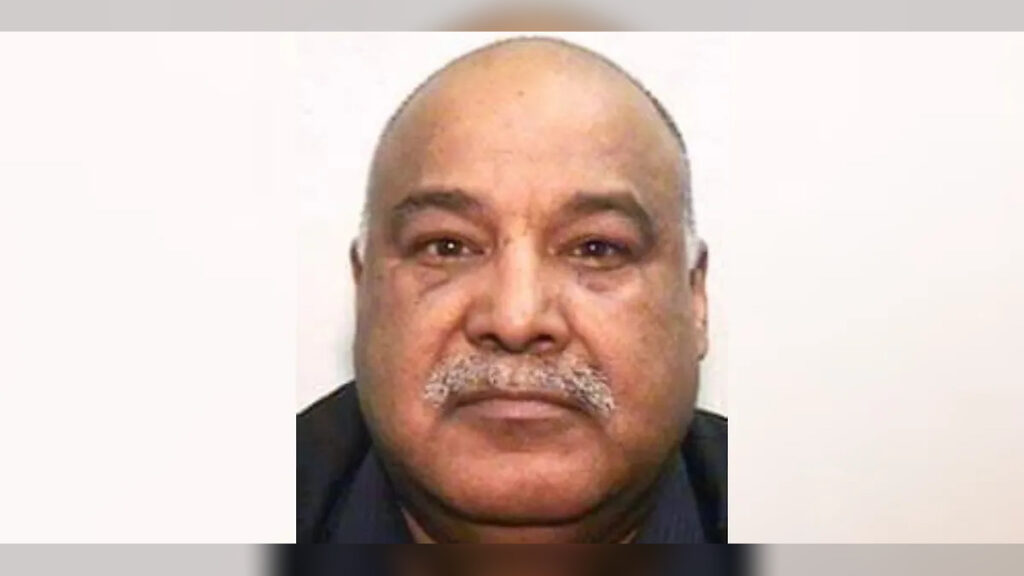
The release of the convicted leader of the Rochdale grooming gang has reignited debate over Britain’s immigration laws, with ministers acknowledging they are unable to deport him despite the severity of his crimes.
The decision has drawn criticism from victims, political figures and campaigners, while raising fresh concerns about public safety and support for survivors.
Convicted Offender Leaves Prison Under Strict Licence Conditions
Shabir Ahmed, 73, walked free from HMP Leeds on Thursday after serving 14 years of a 19-year prison sentence imposed in 2012.
Convicted of 30 rapes and numerous sexual offences against vulnerable teenage girls, Ahmed has been transferred to supervised accommodation in northern England, where he will remain under strict licence conditions.
The supervised hostel placement is expected to cost taxpayers approximately £120 per night.
Authorities have confirmed that he will initially live under round-the-clock supervision and will be prohibited from entering an exclusion zone centred on Rochdale.
Government Says Existing Law Prevents Removal From the UK
Although Ahmed was stripped of his British citizenship following his conviction and now holds Pakistani nationality, the Government says it lacks the legal authority to deport him.
Downing Street pointed to protections contained within the Immigration Act 1971, explaining that Ahmed’s long-term residence in Britain before immigration rules changed prevents his removal.
Officials noted that the legislation, originally linked to protections later associated with the Windrush generation, limits the Government’s ability to deport individuals who meet specific residency requirements.
A spokesman for Prime Minister Sir Keir Starmer acknowledged that the Prime Minister would want dangerous offenders removed from the country whenever legally possible but maintained that ministers must operate within existing legislation.
Political Leaders Call for Fresh Action
The legal position has prompted renewed calls for reform.
Andy Burnham, who has previously campaigned for the deportation of foreign national offenders convicted of grooming offences, said he would urge senior ministers to explore every possible legal avenue to remove Ahmed from Britain, insisting that no option should be dismissed.
Justice minister Jake Richards also acknowledged long-standing challenges surrounding the deportation of foreign offenders to Pakistan.
While he suggested Ahmed’s removal currently appears unlikely, he said officials are examining every available measure to protect victims and local communities following his release.
Richards added that changing legislation retrospectively would present significant legal difficulties.




Years of Legal Challenges Delayed Deportation Efforts
Ahmed spent years contesting attempts to deport him, arguing that removal would interfere with his family life and the welfare of his children in the United Kingdom.
He relied on human rights protections while challenging deportation proceedings.
After his conviction, Ahmed also claimed that his trial had been unfair, alleging bias because of the composition of the jury and arguing that Muslims were being unfairly blamed.
Originally from Pakistan, Ahmed moved to Britain around five decades ago. He has been married three times and has four children living in the UK.
Victims Express Fear Over His Release
The announcement of Ahmed’s release has caused significant distress among survivors of the Rochdale abuse scandal.
One victim, identified publicly only as “Ruby,” said she fears for both her own safety and that of her children.
She expressed concern that, despite restrictions on where Ahmed can live, he still has longstanding connections in Rochdale, Oldham and Middleton that could allow him to maintain influence through associates.
She also criticised what she described as inadequate long-term support for victims, saying many survivors had been given assurances that ultimately failed to materialise, leaving them feeling abandoned by the authorities.
Documents Explain Why Deportation Cannot Proceed
Documents believed to originate from the Probation Service state that Ahmed qualifies for protection under provisions of the Immigration Act 1971.
According to those records, individuals who arrived in Britain before 1973 and established long-term residence before deportation proceedings began may benefit from legal protections preventing removal.
Those provisions are understood to be the principal obstacle to deporting Ahmed despite the loss of his British citizenship.
The case follows another high-profile ruling last year in which another convicted Rochdale gang member, Abdul Aziz, successfully challenged his deportation to Pakistan on human rights grounds.
Rochdale Abuse Scandal Remains One of Britain’s Most Serious Child Exploitation Cases
Ahmed was sentenced at Liverpool Crown Court in 2012 alongside eight other members of the Rochdale grooming gang after they were convicted of systematically exploiting and abusing five girls.
Prosecutors established that the victims, some as young as 13, were supplied with alcohol and drugs before being subjected to repeated sexual abuse.
During the trial, evidence showed Ahmed instructed some victims to call him “Daddy” while facilitating abuse by other members of the group.
Police later estimated that as many as 50 girls may have been targeted by the gang, many coming from disadvantaged backgrounds.
Sentencing the offenders, Judge Gerald Clifton said the girls had been treated as though they were “worthless” because they did not belong to the offenders’ community or religion.
Renewed Focus on Institutional Failures
The Rochdale case became a defining example of institutional failures in tackling child sexual exploitation.
Subsequent investigations concluded that police and local authorities had failed to respond adequately despite repeated warning signs.
Reports identified serious shortcomings in safeguarding procedures and decision-making, leading to widespread criticism of public agencies.
Amid continuing public concern over similar cases across the country, the Government announced a national inquiry into grooming gangs earlier this year.
Home Office Promises Ongoing Monitoring
The Home Office has described Ahmed’s offences as “appalling” and confirmed that he will remain subject to stringent licence conditions following his release.
Officials say his movements will be closely monitored, supervised accommodation will remain in place initially, and exclusion restrictions will be enforced as authorities seek to reduce any potential risk to victims and the wider public.
