
When most people think about energy bills, they assume the richer you are, the easier it is to pay them.
But reality, as a former No 10 official points out, is far murkier.
The relationship between income and energy costs isn’t simple—there isn’t a neat, predictable correlation.
How much someone pays often depends more on their living situation than their bank balance.
The Hidden Struggle of the Elderly
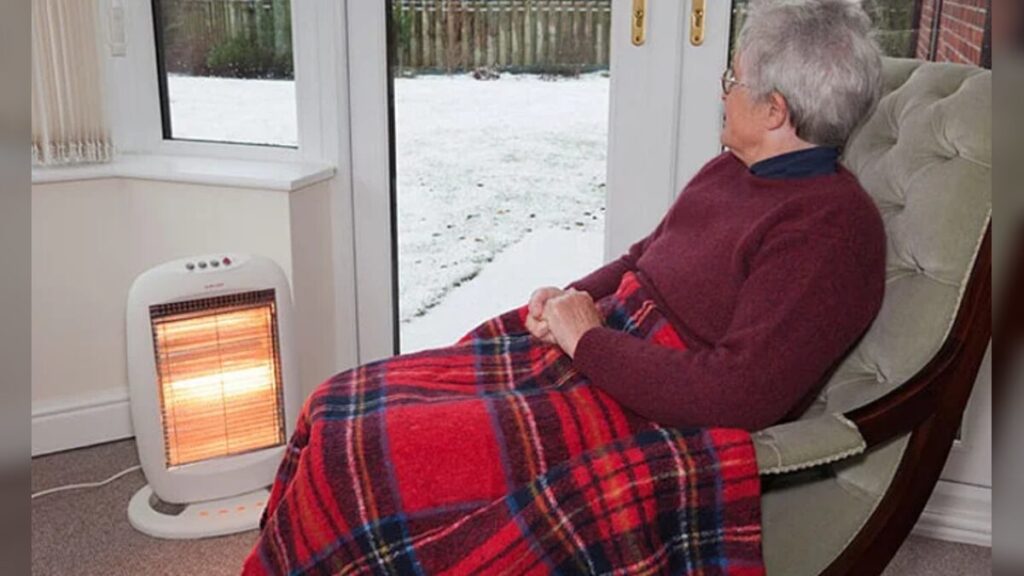
Take, for instance, an elderly person living alone.
Even if their income is tiny, they might occupy a large, old family home.
Drafty windows, thin insulation, and old heating systems mean they’re burning more energy—and paying far more—just to stay warm.
Here, low wealth doesn’t equal low energy bills; in fact, it can make heating that much harder to afford.
Families and Modern Homes
Meanwhile, a large family with a moderate income might live in a modern flat.
Thanks to better insulation, energy-efficient heating, and compact living space, their bills can be surprisingly manageable.
This shows that building quality, layout, and size can sometimes matter more than household income in determining energy costs.
Other Factors at Play
Beyond the obvious income and property differences, energy usage habits, local climate, and even the energy supplier can heavily influence bills.




Two households with identical income and home size can end up with drastically different bills depending on how they use electricity and gas.
Impact and Consequences
The mismatch between income and energy costs has real-life consequences.
Vulnerable groups, especially the elderly and those in older properties, can face financial stress even if their earnings are extremely low.
Policy measures that simply consider income brackets may overlook those who are technically “poor” in energy terms due to their living conditions.
High energy costs can force families to cut back on essentials, delay medical heating needs, or accumulate debt.
Social inequality in energy usage is therefore not just about money—it’s about safety, comfort, and quality of life.
What’s Next
Addressing this issue requires more nuanced approaches.
Improving insulation in older homes, offering targeted subsidies, and promoting energy-efficient heating can help reduce bills for those who need it most.
Governments and local councils are increasingly considering programs aimed at reducing energy poverty by focusing on housing conditions, not just income levels.
Summary
Energy bills don’t follow income.
A wealthy household might face manageable bills, but an elderly person in an old home can struggle despite low income.
Modern homes and efficiency upgrades often do more to lower bills than simple financial resources.
This disconnect has serious social consequences, particularly for vulnerable populations.
Key Takeaways
-
Wealth does not automatically translate to lower energy bills.
-
Elderly people in large, poorly insulated homes can face high costs despite low income.
-
Modern flats with efficient systems can keep costs low for families with moderate earnings.
-
Energy usage habits, climate, and suppliers affect bills as much as income.
-
Policies addressing energy poverty need to focus on housing conditions as well as income.

