
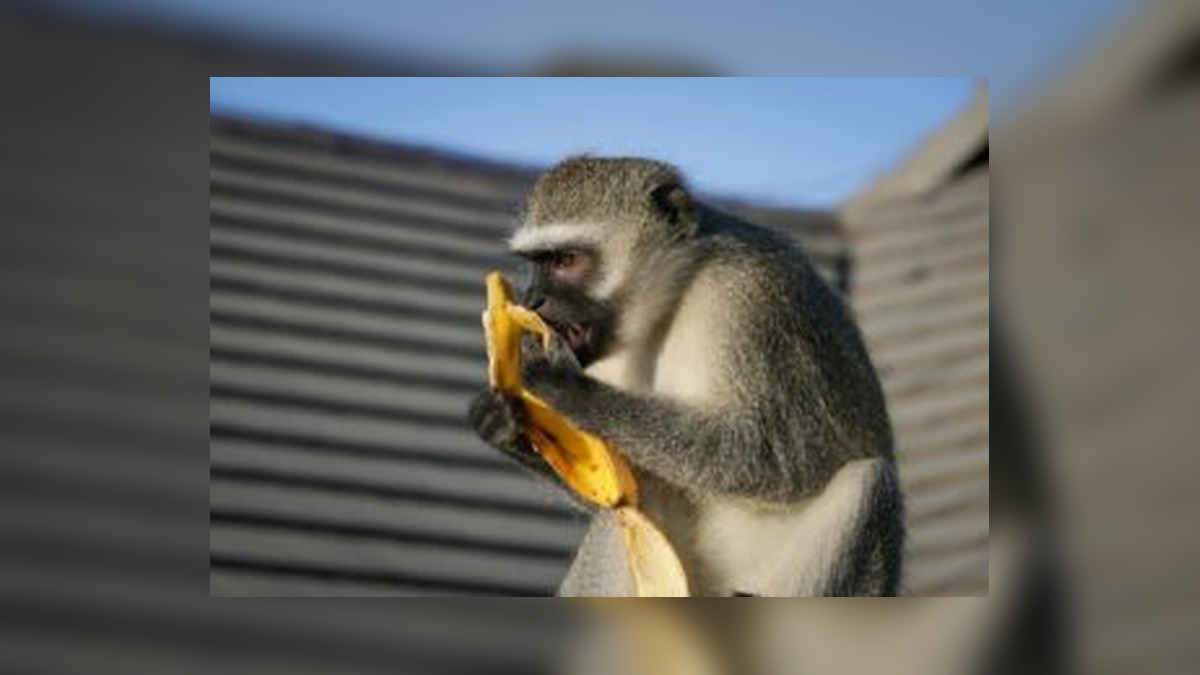
A vervet monkey found badly injured in a Durban suburb had suffered multiple pellet wounds and was left paralysed, according to a wildlife rescue organisation.
The animal was discovered in Everest Heights, north of Durban, on Friday after a concerned resident contacted Reaction Unit South Africa (RUSA).
The resident was initially unsure whether the monkey was still alive.
RUSA Officers Find Monkey Still Alive
When RUSA officers arrived at the scene, they found that the monkey was alive but behaving aggressively.
The officers were eventually able to capture the animal safely before transferring it to the Wildlife Rescue Organisation for further assessment and treatment.
However, the extent of its injuries meant that rescuers were unable to save it.
Pellets Were Found Throughout Its Body
Wildlife Rescue Organisation founder Lindy Elmes said the monkey had multiple pellets lodged in its body.
According to Elmes, one of the animal’s most serious injuries was a gunshot wound to the neck, while additional pellets had struck other parts of its body.
The injuries had left the monkey paralysed and caused severe neurological damage.
Elmes said the animal ultimately had to be euthanised because its condition was considered too serious to treat.
Rescue Group Raises Concern Over Monkey Shootings
The incident has renewed concerns about the shooting of monkeys in residential areas around Durban.
Elmes said her organisation was increasingly being called to deal with monkeys that had survived shootings but suffered serious injuries.
She said some animals were not killed by the initial shooting but were instead left with injuries that later required veterinary intervention.
“There are a lot of people shooting monkeys,” Elmes said.
Identifying Those Responsible Can Be Difficult
The rescue organisation also highlighted the challenges involved in holding those responsible for shooting wildlife accountable.




Elmes said organisations may receive information about suspected shootings, but establishing who fired a weapon can be difficult without evidence directly linking an individual to the incident.
Witness accounts, photographs, video footage or other evidence could potentially assist investigations.
Without such evidence, identifying the person responsible for an injured animal can be challenging.
Why Monkeys Are Entering Durban Suburbs
The animal found in Everest Heights was a vervet monkey, a species commonly found in KwaZulu-Natal.
Vervet monkeys are adaptable animals capable of living in forests, savanna, farmland and areas close to human settlements.
As urban development expands into areas that previously provided natural habitat, encounters between monkeys and residents can become more frequent.
Food Can Draw Monkeys Into Residential Areas
Easy access to food can also encourage monkeys to enter suburban properties.
Fruit trees, vegetable gardens, bird feeders, unsecured rubbish and food left outdoors can provide attractive sources of nourishment.
Once a troop identifies a property or neighbourhood where food is readily available, the animals may return repeatedly.
Vervet monkeys are opportunistic feeders and naturally eat items including fruit, leaves, flowers, seeds and insects. In areas where they live close to people, they may also take advantage of human food.
Vervets Live in Social Troops
Vervet monkeys generally live in social groups known as troops, which can contain several dozen animals.
They communicate through a variety of vocalisations and behaviours and use different alarm calls to warn members of their group about potential threats.
Their social behaviour and adaptability can make encounters with humans more noticeable when troops begin spending more time around residential properties.
Residents Urged Not to Handle Injured Wildlife
Wildlife organisations are urging residents who encounter an injured, trapped or distressed monkey not to attempt to handle the animal themselves.
Even an animal that appears weak can become unpredictable when frightened or in pain and may bite or scratch if it feels threatened.
Residents should instead contact a wildlife rescue or animal welfare organisation and provide the animal’s location and a description of its condition.
Children and Pets Should Be Kept Away
People who discover an injured wild animal should also keep children and pets at a safe distance.
Residents should avoid chasing, surrounding or attempting to capture the animal, as these actions can increase its stress and potentially lead to defensive behaviour.
Professional rescuers have the equipment and experience needed to assess and safely handle injured wildlife.
Wildlife Rescue Remains Essential
The Everest Heights incident has highlighted both the dangers faced by wildlife living close to urban communities and the difficulties involved in responding to human-wildlife conflict.
The Wildlife Rescue Organisation has stressed that animals that appear to have been shot may have serious internal or neurological injuries that are not immediately visible.
For residents, contacting trained wildlife professionals rather than intervening directly can help ensure that injured animals receive an appropriate assessment and, where possible, treatment.

