
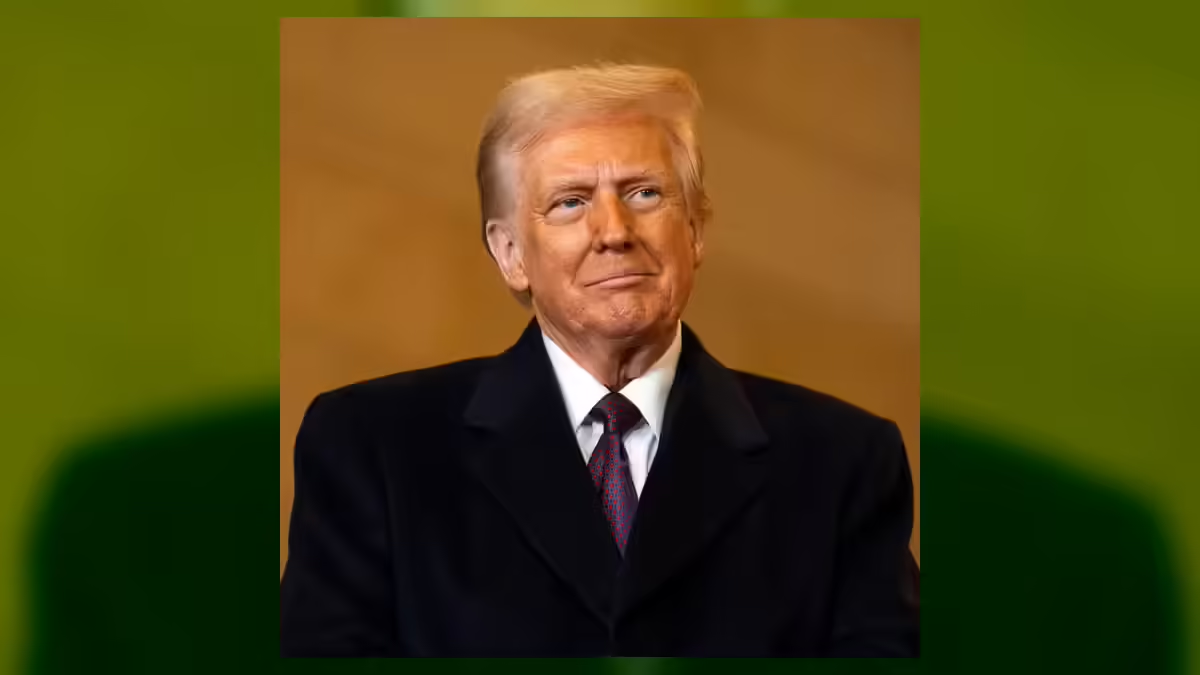
About 20.8 million Medicare beneficiaries in the United States are expected to receive a one-time $90 rebate this month under a payment plan announced by President Donald Trump.
The payments are expected to begin reaching eligible recipients this week, although the benefit will apply to fewer than one-third of people enrolled in Medicare.
The timing of the payments comes as the November 3 midterm elections approach, with healthcare and the rising cost of living among issues receiving significant attention from voters.
Who Qualifies for the Rebate?
The payments are limited to people enrolled in original Medicare Part B who live in the United States and meet specific eligibility requirements.
According to KFF, a healthcare research nonprofit, eligible recipients number about 20.8 million. They must not receive premium assistance through Medicaid or pay an income-related monthly adjustment amount.
Medicare Advantage beneficiaries will not receive the rebate. The group represents more than half of the 64.2 million Medicare beneficiaries, meaning a large portion of people enrolled in Medicare will not qualify.
Approximately 12 million low-income older adults and people with disabilities who receive premium assistance are also excluded.
What Does Medicare Part B Cover?
The rebate applies to beneficiaries enrolled in Medicare Part B, which helps cover services including doctor visits, ambulance transportation and laboratory tests.
Monthly Part B costs generally begin at around $200, although the amount varies depending on a beneficiary’s income.
The $90 payment is therefore being provided as a rebate to a specific group of Part B beneficiaries rather than as a universal Medicare payment.
When Will the Money Arrive?
The Centers for Medicare & Medicaid Services says eligible beneficiaries will receive a single $90 payment during October.
Most recipients are expected to receive the money through direct deposit on or around Friday. Those who do not receive payments electronically are expected to receive paper checks from the U.S. Treasury later in the month.




The payment will be automatic, meaning eligible beneficiaries do not need to complete an application or contact Medicare to claim the money.
How Can Beneficiaries Check Their Eligibility?
People who are unsure whether they qualify can contact Medicare for information about the rebate.
The White House has provided the Medicare telephone number, 1-800-MEDICARE, or 1-800-633-4227, for eligibility questions.
For questions about whether a payment has been issued or its status, beneficiaries can contact the Social Security Administration at 1-800-772-1213.
Where Is the Rebate Money Coming From?
The payments are being financed through the Medicare Improvement Fund, which Congress established in 2008 to support improvements to the Medicare fee-for-service program.
The Congressional Budget Office has said the fund was initially designed to support program management and oversight of contracts and contractors. Its use has subsequently expanded following changes made through legislation.
The fund has also been used for broader healthcare purposes in the past.
The Fund Has Been Used Before
The Medicare Improvement Fund is not being tapped for the first time.
During Barack Obama’s presidency, the administration and Congress redirected $20 billion from the fund to help expand healthcare coverage through the Affordable Care Act.
Under Trump, however, this marks the first reported use of the fund to make direct payments to Medicare beneficiaries.
Critics Question the Timing
The payments have drawn criticism from Democrats and others who argue that the rebate is connected to the approaching midterm elections rather than addressing the broader pressures facing the Medicare system.
Sen. Ron Wyden of Oregon, the top Democrat on the Senate Finance Committee, described the payments as an election-related effort and criticized Trump’s wider record on healthcare and household costs.
Wyden also linked the rebate to concerns over rising gasoline prices and the broader cost of living.
Other Healthcare Rebates Have Also Been Proposed
The Medicare payments follow another rebate proposal announced by Trump involving people enrolled in Affordable Care Act plans.
Trump recently promised $500 rebate checks for an estimated 1 million Obamacare enrollees across 30 states. The White House alleged that those individuals had been overcharged by the Biden administration for certain fees.
The two initiatives involve different groups of beneficiaries and separate healthcare programs.
Experts Say the Money Could Still Help
Juliette Cubanski, director of KFF’s program on Medicare policy, said the automatic nature of the payment means eligible beneficiaries do not need to take action to receive it.
She also noted that the money is arriving at a time when households are dealing with higher food, energy and gasoline costs.
Cubanski said rising healthcare expenses are adding to those financial pressures, meaning the rebate could provide some assistance to recipients even though its overall value may be limited compared with their broader household expenses.

