
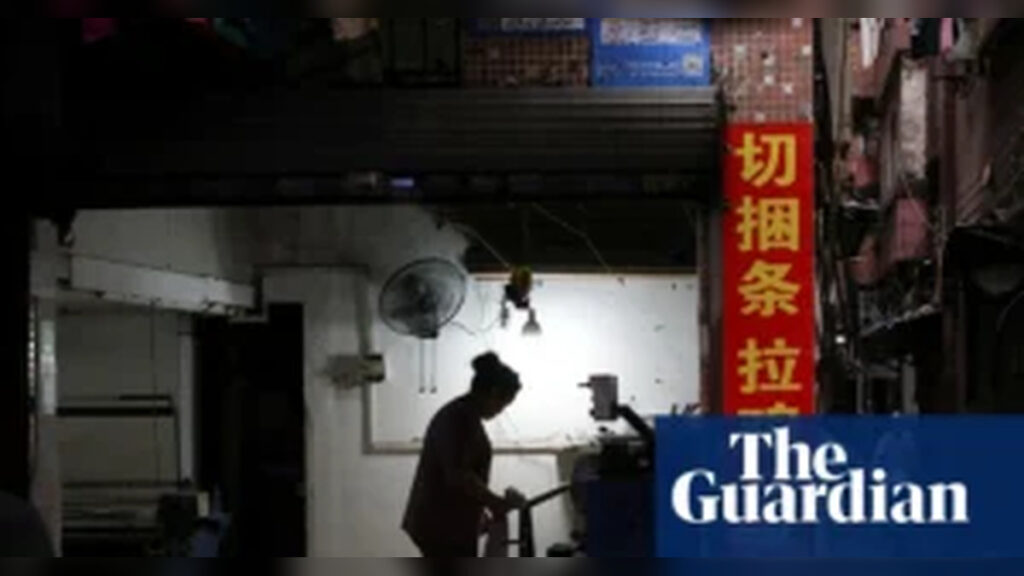
Factories across Guangzhou, China’s largest fast-fashion manufacturing hub, are preparing for a potentially difficult period as a temporary trade agreement with the United States approaches its expiration.
The pause in trade tensions, which is due to end on Tuesday, had provided businesses with several months of relief from steep tariffs that once reached as high as 145% on certain Chinese exports during the Trump administration.
With no long-term agreement yet secured, manufacturers are closely watching negotiations while preparing for the possibility that trade barriers could return.
Factory Owners Take Precautionary Steps
Many business owners are refusing to wait for a final decision from Washington and Beijing before making plans.
Instead, they have begun building up inventories of raw materials and looking beyond the United States for new customers in an effort to reduce their dependence on a single export market.
These preparations reflect growing concern that higher import duties could once again make Chinese-made clothing less competitive in the US market.
Export Workers Fear the Impact on Jobs
The uncertainty surrounding future tariffs is also weighing heavily on employees whose livelihoods depend on overseas demand.




Many factory workers say they are worried that a decline in American orders could eventually lead to reduced working hours or job losses.
Some manufacturers have already reported that US-based buyers are delaying new purchases while waiting to see whether the two governments can reach another agreement before the current truce expires.
Guangzhou Remains at the Center of Global Fast Fashion
Guangzhou has long served as one of the world’s most important production centers for affordable clothing, supplying garments to major international fast-fashion retailers.
Because of its heavy reliance on exports, the city stands to be among the hardest hit if trade tensions escalate again.
The manufacturing sector has become increasingly cautious, with companies attempting to balance production schedules while avoiding the financial risks associated with uncertain export demand.
Global Supply Chains Could Feel the Pressure
Industry experts warn that a renewed exchange of tariffs between the world’s two largest economies could extend far beyond China and the United States.
Higher duties could disrupt international supply chains, increase production expenses, and ultimately lead to higher prices for consumers purchasing fast-fashion products around the world.
Businesses throughout the retail sector are therefore monitoring developments closely.
Negotiations Continue as Deadline Looms
Despite ongoing discussions between US and Chinese officials, there has been little indication that a comprehensive trade agreement will be finalized before the current deadline.
An extension of the temporary truce remains a possibility, but until an official decision is announced, manufacturers, workers and international buyers continue to operate under a cloud of uncertainty, preparing for multiple outcomes while hoping trade relations avoid another costly escalation.

