
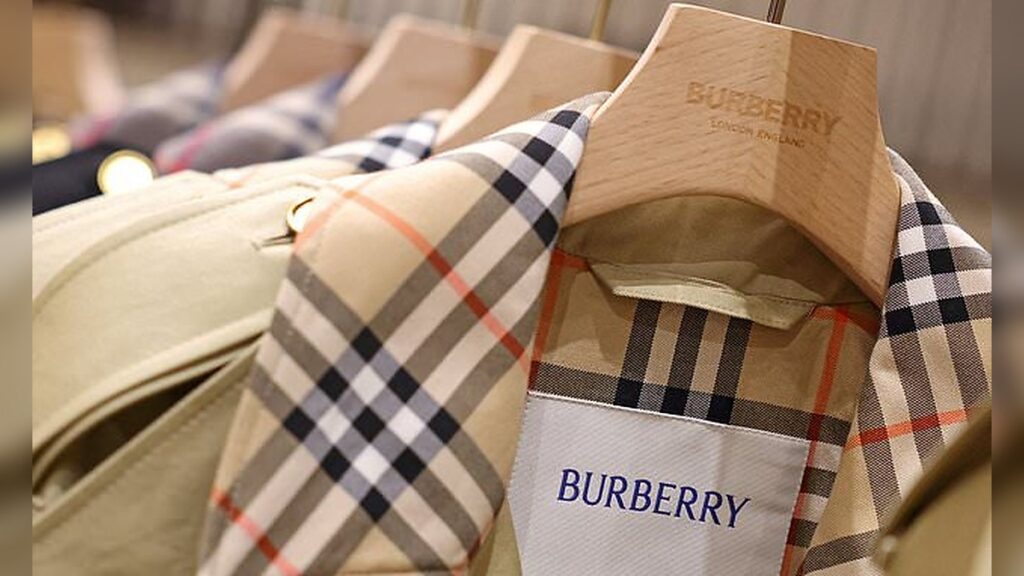
Burberry has posted its strongest quarterly performance in more than two years, offering fresh evidence that its turnaround strategy is beginning to deliver results despite persistent geopolitical challenges that continue to affect parts of its international business.
The British luxury fashion house reported growth across every major product category for the first time since 2023, signaling renewed consumer interest in its core collections.
Broad-Based Sales Growth Marks Positive Milestone
For the 13 weeks ending 27 June, Burberry recorded a 5% increase in comparable sales, with quarterly revenue reaching £455 million.
The performance represents a significant step forward for the company, which has spent the past two years rebuilding its brand under the leadership of chief executive Joshua Schulman.
Schulman described the latest figures as confirmation that the company’s recovery plan is gaining traction.
He highlighted growth across womenswear, menswear, accessories and childrenswear, noting that Burberry’s signature outerwear category remained the standout performer during the quarter.
Iconic Products Continue to Drive Consumer Demand
Burberry’s heritage products played a central role in the improved performance.
The company reported continued strong demand for its classic trench coats, scarves and other outerwear collections, reinforcing its strategy of focusing on timeless British luxury.
The retailer also revealed that sales of women’s handbags returned to growth, adding another positive sign that customer interest is broadening beyond its traditional outerwear business.
A marketing campaign launched in March to celebrate Burberry’s 170th anniversary also contributed to stronger customer engagement.
Titled “The Trench Portraits of an Icon,” the campaign featured well-known figures including footballer Eberechi Eze, actor Jonathan Bailey and supermodel Kate Moss.




According to the company, the initiative helped generate a 19% increase in new customers purchasing rainwear products.
China and Americas Deliver Strong Regional Performance
International markets produced encouraging results during the quarter, particularly in Asia and North America.
Comparable sales in China climbed 9% as Burberry attracted younger Gen Z shoppers, while revenue in the Americas increased by an even stronger 12%, reflecting healthy consumer demand across the region.
These gains helped compensate for weaker trading conditions elsewhere in the company’s global network.
Middle East Conflict Continues to Weigh on European Business
Despite the overall improvement, Burberry said geopolitical tensions remain a significant challenge for its Europe, Middle East and Africa (EMEA) division.
Sales across the region declined by 3%, with the company citing the ongoing US-Iran conflict as a factor reducing tourist spending in Europe’s luxury shopping destinations.
The disruption has affected visitor numbers in cities such as Paris while also lowering customer traffic in major luxury retail centres, including Dubai.
Management acknowledged that broader economic uncertainty and geopolitical instability continue to influence consumer confidence and will remain key considerations as the company plans for the remainder of the financial year.
Investors React Cautiously Despite Positive Update
Although the trading update showed encouraging operational progress, investors responded cautiously. Burberry shares fell 3.96% in early trading to 1,076p.
Richard Hunter, head of markets at Interactive Investor, said the decline suggested that some investors remain unconvinced that the company’s recovery is firmly established.
However, he noted that continued positive trading updates could strengthen confidence if the current momentum is sustained.
Executive Pay Faces Shareholder Opposition
The quarterly results come shortly after Burberry’s annual general meeting, where executive remuneration became a major point of contention.
Approximately 35% of shareholders voted against a proposed £12.2 million bonus package for chief executive Joshua Schulman, highlighting ongoing investor concerns over executive compensation even as the business begins to show signs of recovery.
The shareholder rebellion underscored that while Burberry’s commercial performance is improving, questions remain over governance and reward policies.
Outlook Remains Positive but Cautious
Burberry believes its strategic focus on heritage products, brand positioning and attracting younger consumers is beginning to restore growth across the business.
However, management remains cautious, acknowledging that geopolitical tensions and broader macroeconomic pressures could continue to influence luxury spending in key markets.
With growth now returning across every major product category for the first time in several years, the company enters the remainder of the financial year with renewed momentum, while continuing to monitor global conditions that could shape consumer demand.
