
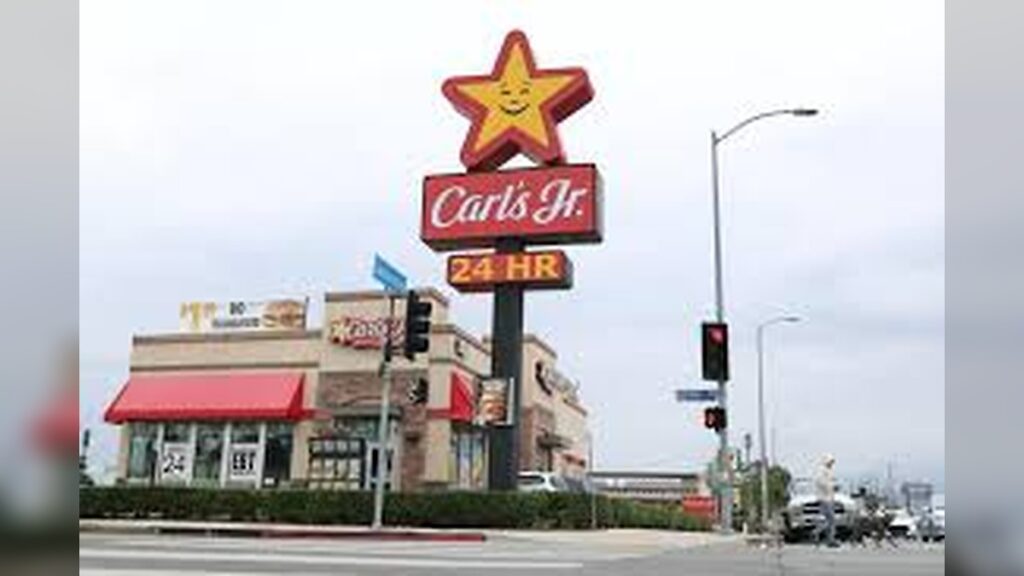
A significant shake-up is unfolding inside the fast-food industry in California after a major Carl’s Jr franchise operator moved to shut down multiple outlets and place dozens more on the market, deepening concerns about the brand’s shrinking footprint in its home state.
The decision comes as financial pressures, rising operational costs, and shifting consumer habits continue to strain one of America’s most recognizable burger chains.
Franchise Operator Enters Bankruptcy and Begins Large-Scale Sell-Off
The operator at the center of the restructuring is Carl’s Jr. franchisee Harshad Dharod, whose company manages 59 locations across California.
After filing for Chapter 11 bankruptcy protection in April, Dharod has begun seeking buyers for most of his restaurants while preparing to permanently close ten outlets.
According to brokerage firm National Franchise Sales, the closures will primarily affect stores concentrated in Southern California, a region long considered a core market for the brand.
Rising Costs and Wage Pressure Cited in Financial Breakdown
Court filings and statements linked to the franchisee point to a combination of rising expenses and weakening sales as key drivers of the collapse.
Dharod has argued that California’s fast-food wage floor of around $20 per hour significantly increased operating costs, intensifying financial strain already caused by inflation and higher food prices.
Despite generating more than $6 million in monthly revenue, the franchise group reportedly faced losses exceeding $600,000 per month this year.
Brand Leadership Distances Itself From Franchise Crisis
The parent company, CKE Restaurants, has emphasized that the financial troubles are limited to the individual franchise operator and do not reflect the broader health of the brand.
A company representative stressed that other Carl’s Jr locations remain unaffected and continue normal operations, framing the situation as an isolated business failure rather than a system-wide crisis.
Still, analysts note that the scale of the closures marks one of the most serious disruptions for the chain in California in recent years.




A California Fast-Food Icon Under Pressure
Founded in 1941 by Carl Karcher, Carl’s Jr grew from a small hot dog cart in Los Angeles into one of the most recognizable fast-food brands on the U.S. West Coast.
Known for signature items like the Famous Star and Western Bacon Cheeseburger, the chain expanded rapidly through the 1960s and 1970s, building a strong identity tied closely to California’s fast-food culture.
Despite its national and international presence today, California remains its most important market — and also one of its most volatile.
Declining Store Numbers and Weakening Consumer Demand
Industry data suggests the brand has been gradually contracting in its home state.
Franchise records indicate California locations dropped from 613 in 2023 to 588 in 2025.
At the same time, consumer spending trends have weakened. Circana data shows sales at Carl’s Jr fell by roughly 4% in 2025, reflecting broader shifts in fast-food consumption as customers become more price-sensitive.
The franchisee also pointed to reduced marketing impact and intensifying competition in the burger segment as additional pressures.
Labor Tensions and Political Debate Intensify the Crisis
The closures come amid ongoing labor disputes and protests at several fast-food outlets across California, where workers and union groups have raised concerns about staffing shortages, workplace safety, and working conditions.
Some employees have reported incidents involving aggressive customers, robberies, and inadequate staffing levels during shifts.
The situation has also become tied to California’s controversial $20 minimum wage law for fast-food workers, with supporters arguing it protects workers in a high-cost state, while critics say it is accelerating financial strain on franchise operators.
Court filings from Dharod’s company describe the wage increase as a major contributor to rising expenses.
Uncertain Future as Buyers Show Early Interest
Despite the financial turmoil, National Franchise Sales reports early interest from potential buyers, raising the possibility that many of the restaurants could continue operating under new ownership.
In many franchise transitions, existing staff and management are often retained, offering some continuity even when ownership changes hands.
For now, however, the future of dozens of Carl’s Jr locations remains uncertain as bankruptcy proceedings continue.
A Warning Sign for California’s Fast-Food Industry
The developments highlight broader challenges facing fast-food operators across California, where rising costs, labor disputes, and shifting consumer behavior are reshaping the industry landscape.
For a brand long associated with California’s fast-food identity, the potential loss of more restaurants marks a significant setback — and a sign of deeper structural pressures affecting the sector as a whole.

