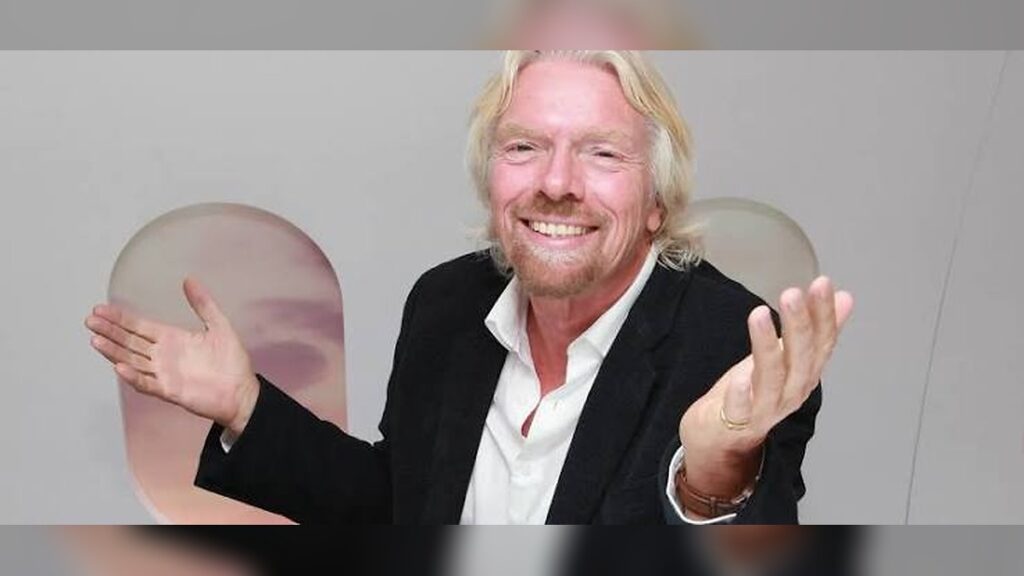

Richard Branson has spent years being associated with the idea of waking up at 5 a.m. as part of a disciplined morning routine.
However, the Virgin Group founder is now urging people to stop treating his schedule as a blueprint for success, saying the obsession with early mornings misses the bigger picture.
The billionaire believes too many people assume that getting out of bed before sunrise is the key to building a successful career, when in reality it could leave many people exhausted instead of productive.
Billionaire Rejects the Myth of a Perfect Morning Routine
In a recent LinkedIn post, Branson acknowledged that he is frequently asked about his habit of waking up at 5 a.m., a routine he first shared publicly years ago.
Looking back, he admitted he worries that people have misunderstood his intentions.
According to Branson, there is no universal formula for success.
While waking up early comes naturally to him, he stressed that forcing yourself into someone else’s schedule simply because they are successful is unlikely to deliver the same results.
Instead, he warned that blindly following rigid productivity trends and nonstop hustle can increase the risk of burnout rather than helping people achieve meaningful progress.
Success Depends on Finding Your Own Rhythm
Branson’s advice is straightforward: stop trying to imitate successful people and start paying attention to when you perform at your best.
He explained that while he feels most productive in the early hours of the day, others may produce their best work in the evening or late at night.
Understanding those personal energy patterns, he said, is far more valuable than chasing a trendy morning routine.




Rather than focusing on what time successful entrepreneurs wake up, Branson believes people should organize their schedules around the periods when they are naturally at their sharpest, whether that’s for analytical work, creative thinking or problem-solving.
Years of Experimentation Shaped His Daily Schedule
The British entrepreneur said discovering the routine that suits him did not happen overnight.
Over the years, Branson has worked in a wide variety of environments, including houseboats, spare bedrooms and even crypts beneath churches.
Those experiences helped him gradually identify what boosted his productivity and what held him back.
Instead of forcing himself to follow someone else’s habits, he built a routine based on personal experience and continuous trial and error.
Burnout Comes From Chasing Someone Else’s Definition of Success
Branson also cautioned against believing anyone who claims to possess the single secret to becoming successful.
He encouraged people to focus on balancing hard work with smart decision-making while protecting their health, personal relationships and time away from work.
According to him, sustainable success depends on maintaining a lifestyle that supports long-term wellbeing rather than constant exhaustion.
He added that comparing your journey to someone else’s often creates unnecessary pressure and distracts from finding an approach that genuinely works for your own life.
More Business Leaders Are Challenging the 5 A.M. Trend
Although many high-profile executives—including Apple CEO Tim Cook, former First Lady Michelle Obama and Block co-founder Jack Dorsey—have become known for extremely early starts, not every successful leader follows that model.
An increasing number of executives are openly embracing schedules that better match their natural productivity cycles instead of forcing themselves into early mornings.
Night Owls Prove Success Doesn’t Have a Fixed Schedule
Among those rejecting the early-riser stereotype is branding executive Scott Mellin, who helped transform Salomon into a globally recognized lifestyle brand.
For decades, Mellin has maintained a routine that begins around 8 a.m., often spending his mornings skiing before heading into work around midday and continuing business meetings well into the evening.
He says that routine has remained consistent throughout leadership roles at several major companies, demonstrating that career success is not determined by the time someone wakes up.
Other executives who identify as night owls have echoed similar views, arguing that they put in just as many working hours as early risers.
The difference, they say, is that they choose to work during the hours when they naturally have the most energy and focus.
For Branson, that is the message people should remember—not the 5 a.m. alarm clock, but the importance of creating a routine that fits their own strengths and can be maintained for the long term.

